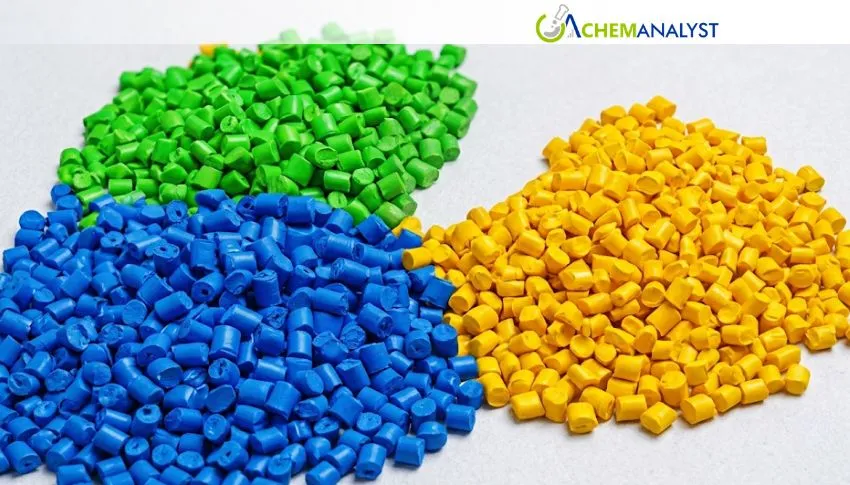
The US Acrylonitrile Butadiene Styrene (ABS) market remained stable during the last week of June 2026, with weekly prices holding unchanged despite the significant correction witnessed earlier in the month. Market participants largely adopted a wait-and-watch approach as buyers adjusted to lower price levels established during mid-June, while suppliers maintained current offers to support trading activity. Although the broader June market reflected a bearish trend, the final week showed signs of stabilization as demand and supply fundamentals reached a temporary balance in the ABS market.
ABS demand from major downstream sectors remained moderate throughout the week. Automotive manufacturers continued cautious procurement despite improving consumer sentiment in the United States. According to the latest Consumer Confidence Index, confidence rose slightly from 90.6 in May to 91.2 in June, supported by easing inflation concerns and lower crude oil prices. Consumer plans to purchase automobiles also improved modestly, but actual buying activity remained limited, preventing any significant increase in ABS consumption. Demand from electronics, consumer goods, and household appliance manufacturers also stayed subdued, with buyers purchasing only according to immediate production needs while relying on comfortable inventories.
On the supply side, domestic ABS availability remained sufficient as production rates continued at normal operating levels. At the same time, suppliers refrained from implementing further discounts after the sharp mid-June correction, allowing prices to stabilize. Competitive inventories across the supply chain also reduced the urgency for aggressive price adjustments.
Feedstock trends provided mixed support to the ABS market. Acrylonitrile prices declined sharply amid weaker ABS demand and lower production costs, while butadiene nominations for July also moved lower as upstream costs continued to ease. Styrene production costs softened alongside declining benzene values, driven by lower crude oil prices following the resumption of Saudi Aramco's oil loadings and improved crude shipments through the Strait of Hormuz. Although these developments reduced overall production costs for ABS manufacturers, the impact was largely absorbed by the earlier price correction, contributing to stable weekly pricing during the final week of June.
Market sentiment remained cautious despite slight improvements in broader economic indicators. Falling oil prices helped reduce inflation concerns, while expectations for automobile purchases improved modestly. However, buyers remained reluctant to rebuild inventories as demand from automotive, electronics, and consumer goods sectors continued to lack strong momentum.
Looking ahead, analysts expect the US ABS market to remain broadly stable in the short term, although downside risks persist if feedstock costs continue to weaken and downstream demand fails to recover. Any sustained price recovery will likely depend on stronger automotive production, improved consumer spending, and firmer raw material prices during the coming weeks.







 About ChemAnalyst
Leave a Comment
Comments (0)