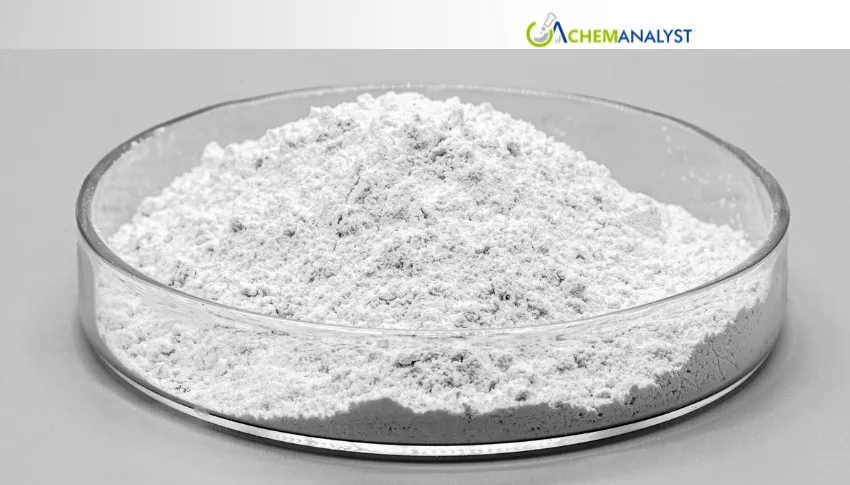
US Anhydrous Hydrofluoric Acid (AHF) prices increased 1.3% in August 2026, supported by firm refining consumption, semiconductor procurement, and higher upstream fluorite costs. The market remained relatively balanced, but tightening fluorite availability in key Asian supply chains increased replacement-cost concerns for AHF producers and importers. Domestic Chinese fluorite prices rose 5.10% during August, as mine-safety inspections and production restrictions reduced raw-ore availability. The U.S. remained structurally dependent on imported fluorspar, with U.S. Geological Survey (USGS) data showing net import reliance, making international supply conditions an important factor for domestic AHF costs.
AHF demand remained supported by refining and semiconductor applications during August. Petroleum alkylation continued providing a stable consumption base as refinery operations and gasoline-related requirements supported hydrofluoric acid usage. Semiconductor manufacturers also maintained procurement of high-purity AHF for wafer etching as U.S. fabrication capacity continued expanding. Refrigerant and fluoropolymer demand was comparatively more measured, with downstream producers maintaining controlled inventories and purchasing largely against immediate requirements.
Upstream availability became a more important concern during August. Chinese fluorite mines faced intensified safety and production inspections, while output in Alxa League, Inner Mongolia, fell 62.3% year on year during the first half of 2026. Mongolia-related supply was also affected by maintenance, limiting the ability of additional imported material to fully offset domestic shortages. These conditions pushed Chinese fluorite prices higher and increased feedstock replacement costs for hydrofluoric acid producers.
Looking ahead to September 2026, US AHF prices are expected to remain firm as refinery demand, semiconductor consumption, and elevated fluorite replacement costs continue supporting the market. Further increases in Chinese fluorite prices could raise production costs for Asian suppliers and influence U.S. import economics. Stable domestic inventories and continued Mexican supply may limit the upside, while Japanese, Chinese, and other Asian operating disruptions could tighten spot availability if they affect export volumes. Overall, the September AHF market is expected to remain cautiously firm, with upstream fluorite tightness providing the strongest potential source of upward pressure.








 About ChemAnalyst
Leave a Comment
Comments (0)