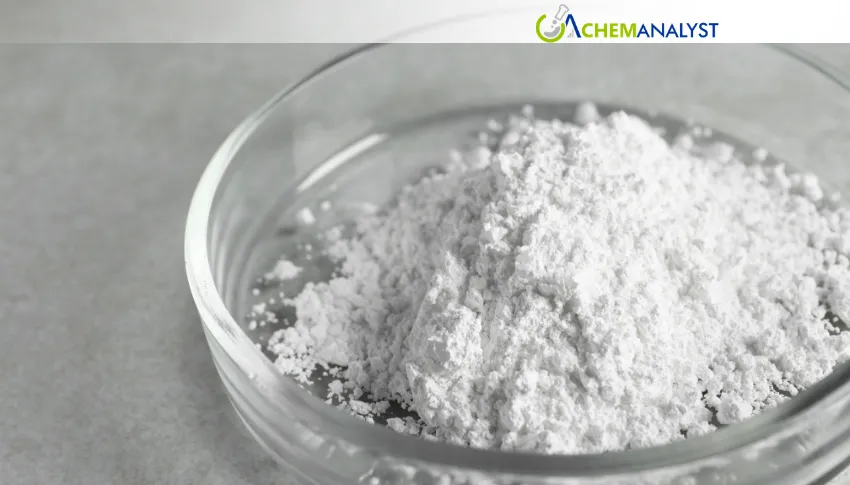
A major factor behind the decline in Bisphenol A (BPA) prices was the continued weakness in feedstock phenol and acetone markets. Following the memorandum of understanding signed by the United States and Iran on June 17–18, geopolitical tensions eased considerably, and the phased reopening of the Strait of Hormuz reduced concerns over global energy supply. International crude oil prices fell sharply as the geopolitical premium disappeared, dragging commodity markets lower. Consequently, feedstock phenol and acetone prices weakened significantly, reducing production costs and removing important cost support for BPA producers.
Global supply conditions also remained unfavorable for price recovery. Although new phenol capacity additions in Europe continued to face delays, the ongoing commissioning of phenol-acetone plants across Asia and the Middle East reinforced the broader trend of global oversupply. Competitive export offers from Asian suppliers remained readily available as lower feedstock costs enabled producers to market material aggressively. These competitive cargoes, supported by steady vessel arrivals into the United States, maintained abundant availability of BPA and intensified pricing competition among suppliers.
Demand fundamentals remained weak across the major downstream sectors consuming BPA. Procurement from the polycarbonate (PC) industry remained subdued as manufacturers purchased only essential volumes amid soft end-user demand. Similarly, epoxy resin producers maintained cautious buying patterns, while the automotive and electronics sectors entered seasonal slowdowns that further reduced consumption. Overall, downstream enterprises focused on consuming existing inventories rather than building fresh stocks, limiting spot market activity.
Market sentiment remained fragile as buyers adopted a wait-and-see approach amid expectations of further price weakness. Comfortable inventories, soft feedstock markets, and competitive import cargoes continued to outweigh limited purchasing activity. The lack of meaningful recovery across downstream industries prevented sellers from regaining pricing leverage, leaving the BPA market under sustained pressure during the assessment period.
According to Chemanalyst data, the BPA market is expected to remain weak in the near term. Lower feedstock costs, abundant import availability, and subdued demand from polycarbonate, epoxy resin, automotive, and electronics industries are likely to continue limiting price recovery.







 About ChemAnalyst
Leave a Comment
Comments (0)