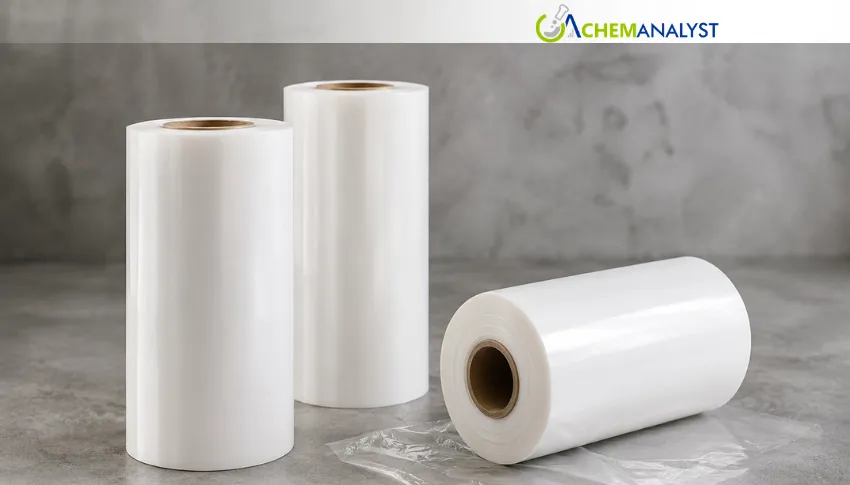
US BOPP Film values softened into early June after a month of gains in May, as weekly assessments showed a week-on-week decline of 1.56% in the first week of June. Early May conditions were broadly balanced, but falling polypropylene feedstock in late May encouraged suppliers to trim offers heading into June, while import flows into Gulf Coast and inland hubs increased available inventory. Meanwhile, converters remained cautious and purchased to immediate needs rather than rebuilding ahead of the summer peak. The assessed movement covers the BOPP Film 30 Micron DEL Louisiana grade and reflects a market that moved from a modest monthly increase into a short-term downward correction, per ChemAnalyst data.
BOPP Film demand patterns were mixed across end-use sectors, supporting a differentiated market tone. Packaging demand from grocery, label and tape converters remained steady and continued to anchor consumption, while e-commerce packaging provided moderate incremental support. In contrast, food & beverage and industrial packaging demand showed signs of softening as retailers and converters completed post-Q2 stock adjustments and remained hesitant to initiate fresh inventory buildup ahead of expected seasonal changes. The split between steady FMCG conversion demand and weaker industrial and retail appetite helped sustain transaction activity, but failed to offset supply pressure from higher imports and reduced conversion economics.
On the supply side, BOPP Film domestic production remained stable with Gulf Coast facilities operating at consistent run rates and no significant unplanned shutdowns reported. Falling polypropylene feedstock during the end of May eased production cost pressure and weakened conversion economics, prompting sellers to be more flexible on BOPP Film offers. Increased import inflows from Asia further bolstered inland inventories, while logistics held broadly steady despite localized drayage and rail inefficiencies. Geopolitical risk to energy markets, if it materializes, could tighten propylene availability and lift replacement costs, but in the current window feedstock weakness and import competition were the dominant influences on supplier behavior.
BOPP Film Weekly pricing trends showed a steady easing through mid- to late-May into early June rather than abrupt volatility. Prices for BOPP Film trended down across successive weekly checks as feedstock momentum softened and buyers stayed conservative, culminating in the early June week-on-week decline of 1.56%, per weekly assessment data. Rather than large spikes, the BOPP Film market has exhibited measured downward pressure, with suppliers responding to both weaker upstream cost support and visible import offers that kept spot activity restrained.
Looking ahead, ChemAnalyst projects a short-term uptick for BOPP Film into June followed by a gradual softening through the summer and early autumn, with a June rise forecasted before expected month-on-month declines later in the period. Seasonal expectations of stronger FMCG packaging demand and geopolitical issues could provide some support for June, but elevated import availability and controlled procurement by converters are likely to weigh on spot pricing from July onward.








 About ChemAnalyst
Leave a Comment
Comments (0)