Welcome To ChemAnalyst
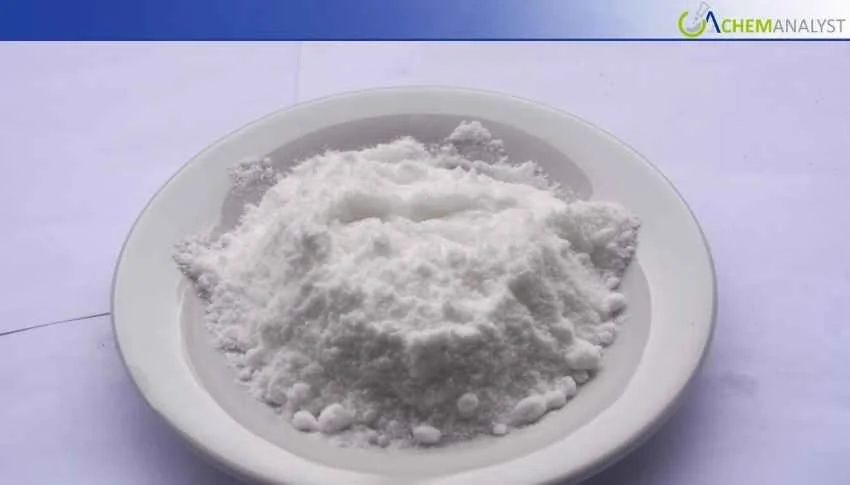
Calcium Propionate markets in the US softened through February as weak end-use demand and easing upstream costs encouraged discounting. Clean-label trends shifted formulators toward alternatives such as cultured wheat, potassium sorbate, and vinegar ferments, reducing Calcium Propionate uptake. Mid-month, buyers drew down inventories, trimming spot inquiries, while longer-term e-commerce bread distribution provided only temporary support for preservative needs. By late February, softer bakery demand, comfortable import flows, and lower energy inputs left suppliers more willing to widen discounts to clear cargoes. The commercial bakery segment remained the principal drag on demand, with substitutions away from synthetics depressing preservative uptake even as online grocery channels offered limited relief. February posted about a thirteen percent month-on-month decline. Supply-side dynamics amplified the sell-off: cheaper energy reduced production costs and encouraged broader discounting, while feedstock availability remained stable, and imports faced few bottlenecks. In the near term, the market bias remains soft. However, escalating geopolitical tensions in the Middle East could shift cost dynamics. Any sustained increase in crude oil prices may raise energy and freight expenses, particularly for bulk shipments, potentially lifting production and distribution costs. Should energy markets tighten materially, Calcium Propionate prices could see upward adjustments in the coming weeks.
Calcium Propionate prices in the US moved decisively lower through February, with the market losing momentum into late February as a confluence of weak end-use demand and easing upstream costs encouraged sellers to discount offers. Early February saw clean-label preferences push formulators toward alternatives such as cultured wheat, potassium sorbate, and vinegar ferments, which displaced Calcium Propionate volumes. Mid-month, buyers drew down Calcium Propionate inventories instead of replenishing, trimming spot inquiry, while longer e-commerce bread distribution briefly supported preservative needs. By late February, the combination of softer bakery demand, comfortable import flows, and lower energy inputs left suppliers increasingly willing to widen discounts to clear Calcium Propionate inventories.
Commercial bakery demand for Calcium Propionate remained the principal drag on the market. The commercial bakeries/baked goods segment pared Calcium Propionate uptake amid substitutions away from synthetics, leaving preservative demand subdued even as e-commerce grocery channels...
We use cookies to deliver the best possible experience on our website. To learn more, visit our Privacy Policy. By continuing to use this site or by closing this box, you consent to our use of cookies. More info.