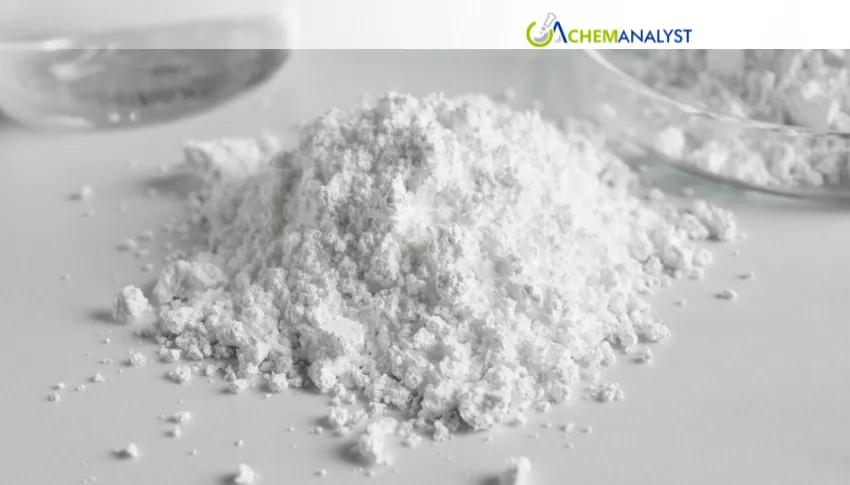
Supply conditions remained highly comfortable as imports continued to increase. US Calcium Stearate imports during the first quarter rose by 3.7% compared with the previous quarter, resulting in ample inventories across distributors and end users. Consistent vessel arrivals from Asian suppliers ensured uninterrupted product availability, leaving buyers well covered with existing stocks.
During June, geopolitical risks eased significantly after diplomatic progress between the United States and Iran reduced concerns surrounding Middle East energy supplies. International crude oil prices declined sharply, weakening cost support across the petrochemical value chain and putting downward pressure on feedstock propylene markets. Lower upstream production costs enabled overseas manufacturers to maintain competitive export pricing, further weighing on domestic Calcium Stearate prices. However, renewed uncertainty following US strikes on Iran in early July has again raised concerns over future energy market volatility.
Calcium Stearate demand from downstream industries remained subdued. Heavy rainfall and flooding disrupted construction activity in several regions, reducing demand for Calcium Stearate used in cement, concrete, and mortar applications. Meanwhile, consumption from plastics and polymer manufacturers remained cautious as buyers relied on comfortable inventories and adopted purchase-as-needed strategies rather than building additional stocks.
At the same time, US buyers reduced procurement activity because elevated transpacific freight rates significantly increased import costs, prompting many participants to delay fresh purchases while relying on existing inventories.
The Calcium Stearate market is expected to remain under pressure during August as high inventory levels and seasonal slowdowns in construction and plastics manufacturing continue to restrict spot buying. Heavy rainfall, flooding, and the Atlantic hurricane season are likely to further disrupt construction activity, limiting demand from cement, concrete, mortar, and polymer applications.
Transpacific freight rates are expected to ease gradually as additional shipping capacity enters the market following the peak shipping season, offering some relief to importers. However, renewed geopolitical tensions in the Middle East after the US strikes on Iran could increase uncertainty surrounding energy markets and freight costs, creating volatility across the Calcium Stearate supply chain.
Dow expects third-quarter earnings from its Packaging & Specialty Plastics segment to be slightly lower than in Q2, reflecting softer seasonal demand and weaker operating conditions. As calcium stearate is widely used as a lubricant and stabilizer in plastic processing, slower plastic production and reduced converter activity are likely to limit procurement in the coming months.






Leave a Comment
Comments (0)