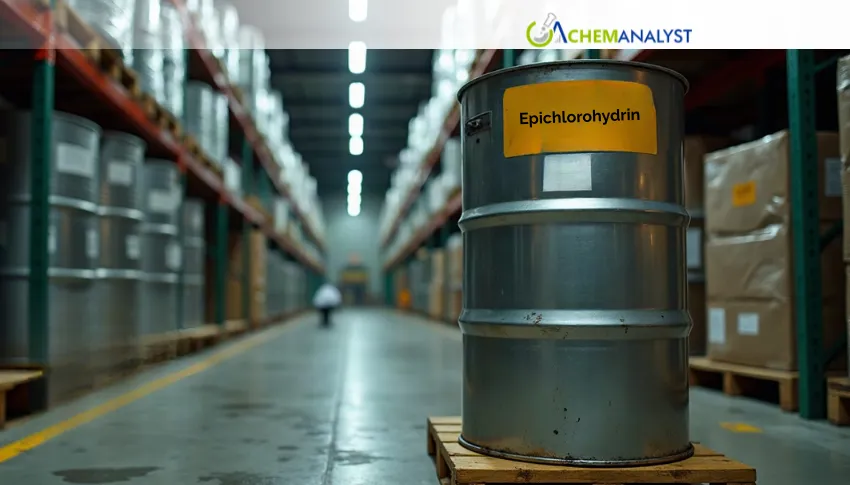
Demand for Epichlorohydrin remained stable throughout August. Steady consumption from epoxy resins, coatings, composites, electrical laminates, and water-treatment applications provided a firm baseline for Epichlorohydrin demand. Aerospace and construction-related buying of Epichlorohydrin added moderate support. However, construction spending data for July revealed a mixed picture for construction-related Epichlorohydrin demand: while private nonpresidential investment saw modest gains, residential construction tumbled, with single-family housing spending dropping 3.2% monthly and 6.5% year-over-year. This sluggish housing segment limited any significant uptick in Epichlorohydrin demand from building applications. Factory construction spending also fell 0.8% in July and 21.7% year-over-year as the CHIPS Act boost fades, further tempering industrial offtake. Nevertheless, epoxy-resin converters and distributors remained comfortable with existing inventories, keeping spot activity balanced.
Supply conditions for were moderate through August. Domestic production ran at normal operating rates, with no major unplanned outages reported during the month. Import availability from Asian and Korean origins remained sufficient to meet U.S. requirements, although the Section 301 duty on Chinese-origin cargoes and sustained trans-Pacific freight costs kept replacement values firm. This left the market balanced—neither oversupplied nor tight. Suppliers of maintained pricing discipline, while importers factored in elevated landed costs when offering to domestic buyers.
Feedstock trends were largely neutral pricing during August. Propylene remained stable in the last week of August at $930.00/MT, offering no fresh cost pressure for producers. Glycerine, chlorine, and allyl chloride costs were broadly unchanged, keeping production economics steady. With no significant feedstock movement, sellers of Epichlorohydrin saw little reason to adjust spot offers either upward or downward. Business conditions provided a nuanced backdrop: solid improvement in overall business conditions masked slower demand and output growth as supply issues persisted. New orders rose at a solid pace in August, little changed from July, which supported steady Epichlorohydrin consumption. However, export demand for *Epichlorohydrin dependent goods weakened, with exports falling for the fourteenth consecutive month. Tariffs were reported to have weighed on foreign sales, although some firms noted pockets of improved demand from Europe partly offset this impact. This dynamic kept buying steady but unspectacular.
Downstream sectors showed a mixed but stable pattern of demand for Epichlorohydrin. Epoxy resin producers remained the primary consumers of Epichlorohydrin, with steady offtake for coatings, adhesives, and composite applications. Aerospace continued to support demand through epoxy-based formulations. Private non-residential construction spending, including power plants, rose 0.4% in July, with power plant outlays up 0.5%, offering modest support for Epichlorohydrin. However, the 10th straight quarterly decline in nonpresidential structures investment and weak factory spending indicated broader industrial softness. No sector demonstrated exceptional urgency to build additional Epichlorohydrin inventory, reflecting a cautious procurement stance across the board.
Looking ahead, prices are likely to decrease in the near-term during September. A seasonal slowdown in downstream demand, combined with persistent weakness in residential construction and fading factory investment, could reduce buying interest for Epichlorohydrin. The possibility of increased Chinese export availability may place additional downward pressure on prices. If freight costs ease or imports arbitrage widens, spot offers for Epichlorohydrin could soften further. Buyers are expected to remain cautious, prompting sellers to reduce Epichlorohydrin prices to attract orders. Key factors to monitor include propylene feedstock trends, Chinese operating rates, and any changes in trade policy affecting Epichlorohydrin imports. This outlook is based on current market trends and remains subject to feedstock and trade policy dynamics.








 About ChemAnalyst
Leave a Comment
Comments (0)