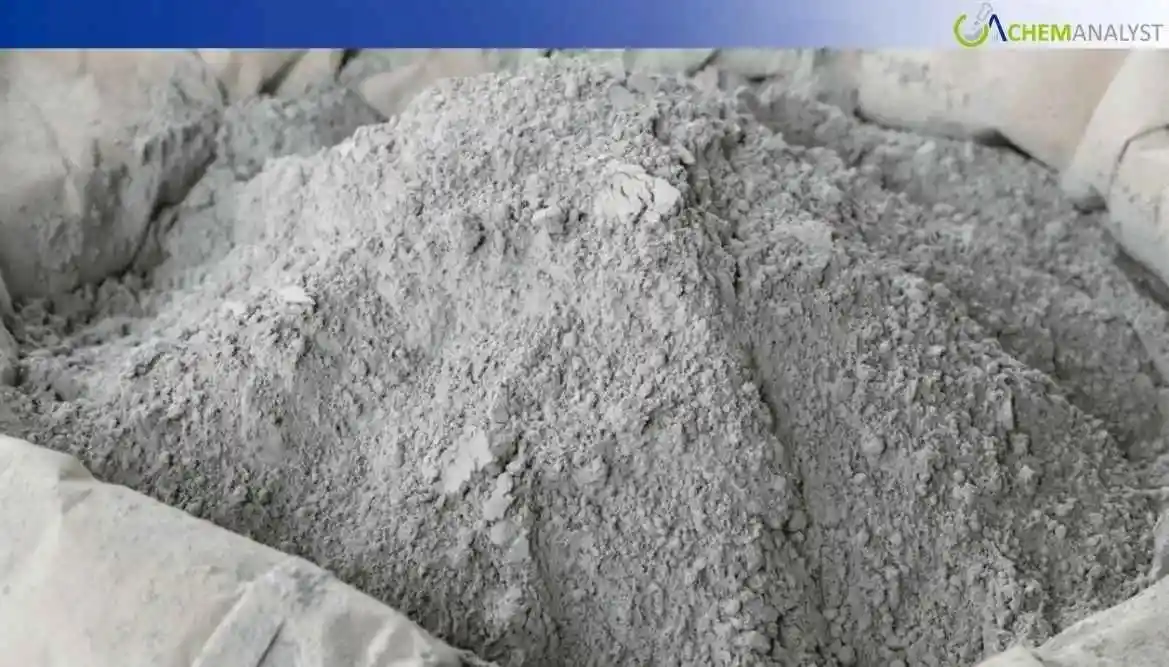
US Fly Ash Grade II CFR Louisiana prices fell 1.00% in January 2026 as muted demand and ample imported volumes set the tone for the market. Early in the month buyers entered January with year-end inventories and limited fresh procurement, which reduced immediate offtake for ready mix and downstream cement blending. Mid-month severe Atlantic weather introduced logistical friction — extending vessel turnaround times — but did not choke off flows. By late January, steady exports from Canada and Asia combined with existing stockpiles to keep supplies available, leaving sentiment soft and contributing to the month-on-month decline, per ChemAnalyst data.
The demand picture for fly ash was uneven across end markets. Residential construction remained the weakest segment as affordability pressures and higher mortgage rates curtailed new housing starts, cutting consumption from ready mix concrete producers. In contrast, commercial and infrastructure activity held at a moderate pace, supporting some concrete demand but not enough to offset the housing slowdown. Downstream cement and clinker producers offered modest support after year-end procurement; Eagle Materials reported higher cement sales, however much of that buying occurred during year-end inventory builds, leaving limited incremental January demand. These dynamics left total fly ash offtake subdued relative to available CFR volumes.
Supply-side dynamics were largely supportive of availability. Coal-fired power generation, the primary fly ash source, maintained steady recovery rates over the period, underpinning CFR volumes into Louisiana. Canadian utilities and Asian beneficiation plants reportedly operated normally after December maintenance, keeping export sailings uninterrupted. Logistics were the main friction point: severe Atlantic weather increased vessel waiting times and port congestion, with a Montreal seven-day average waiting time near 2.75 days, slowing turnarounds but generally affecting timing rather than overall fly ash volumes. With no significant plant outages reported, elevated fly ash inventories in the US eased the risk of short-term tightness.
Throughout January the fly ash market moved within a relatively narrow range. Early-month stockpiling, and year-end destocking depressed fresh buying; mid-month weather created timing lags in arrivals; and late-month steady export flows prevented any acute supply squeeze. The net effect was a modest monthly decline rather than sharp volatility, with the overall pattern reflecting steady supply meeting softer domestic demand for fly ash rather than a market driven by acute shortages or surges in consumption, per weekly assessment data and ChemAnalyst analysis.
Looking ahead, the fly ash outlook through the spring is mixed, with ChemAnalyst analysis projecting a range of outcomes from modest declines to moderate gains between February and July 2026. Seasonal factors underpin the potential for a rebound in fly ash prices: storms easing in March and spring mobilization ahead of the peak construction season in the southern US could draw down inventories and lift fly ash demand. Forecasts are based on current market trends and remain subject to market conditions and weather dynamics.







 About ChemAnalyst
Leave a Comment
Comments (0)