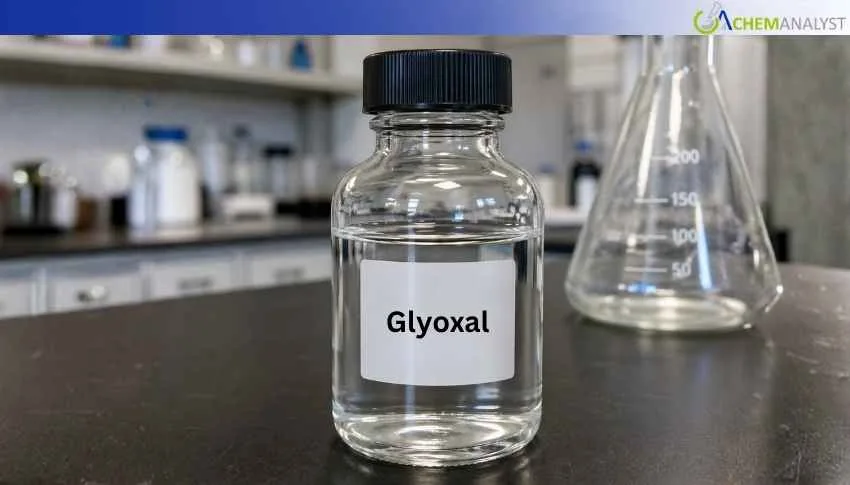
Glyoxal prices in the United States recorded an extraordinary month-on-month advance of 29.31% in March 2026, marking the most acute single-month price escalation observed in the domestic market in recent years. The glyoxal price surge reflects a rare and severe convergence of cost-push feedstock inflation, sharply elevated energy expenditure, prolonged logistics deterioration, and resilient multi-sector downstream demand — all materially amplified by the geopolitical and supply chain disruptions arising from the ongoing U.S.-Israel-Iran military conflict.
Supply-side cost structures for glyoxal deteriorated sharply and simultaneously across both principal input dimensions during March. Monoethylene glycol — the primary raw material— surged 31% month-on-month, driven by sharply higher upstream crude oil costs directly linked to the Iran-Israel conflict and the effective disruption of Strait of Hormuz transit flows that has constrained Persian Gulf petrochemical exports since the outbreak of hostilities in late February 2026. Concurrently, natural gas prices skyrocketed 37%, dramatically elevating energy costs across an inherently energy-intensive production process. Together, these two input cost escalations imposed an extraordinary cumulative burden on domestic glyoxal production economics, leaving producers with limited recourse other than to translate cost increases directly into offered price levels. Compounding the cost pressures, supply-side efficiency deteriorated as vendor lead times reached their highest level in nearly three-and-a-half years, driven by transportation bottlenecks and geopolitically induced logistics disruptions that constrained raw material inflows and triggered intermittent availability shortfalls. Overall, effective market supply of glyoxal tightened significantly, reinforcing the upward price trajectory throughout the month.
Demand for glyoxal remained resilient and structurally supportive during March, with robust procurement activity sustained across multiple downstream sectors simultaneously. Corrugated packaging manufacturers maintained strong glyoxal-based wet-strength resin purchasing, underpinned by sustained e-commerce-driven corrugated box demand. Oilfield chemical blenders continued stable ordering patterns consistent with active shale completion activity, sustaining reliable industrial baseline consumption. Coatings segment producers — encompassing wood treatment and thermoset resin manufacturers — maintained steady procurement to preserve EPA air-toxics compliance and supply continuity. The personal care and cosmetics segment increased glyoxal offtake ahead of the spring production cycle, supported by a 2% year-on-year increase in CPG sales driven by resilient beauty and wellness consumer spending. Precautionary stocking driven by geopolitical uncertainty provided further incremental demand support, collectively sustaining strong transacted volumes against a tightened supply backdrop.
The near-term price outlook for U.S. glyoxal remains strongly bullish, driven by persistent cost and logistics pressures. MEG feedstock costs are highly sensitive to Strait of Hormuz disruptions, with any escalation in U.S.-Iran tensions sustaining elevated crude-linked pricing and limiting correction in glyoxal production economics. Natural gas prices remain volatile, requiring sustained diplomatic progress for stabilization. Extended vendor lead times continue to restrict effective supply. Meanwhile, downstream demand from packaging, oilfield, coatings, and personal care sectors is expected to stay firm through Q2, with no visible signs of substitution or demand destruction at current price levels.






Leave a Comment
Comments (0)