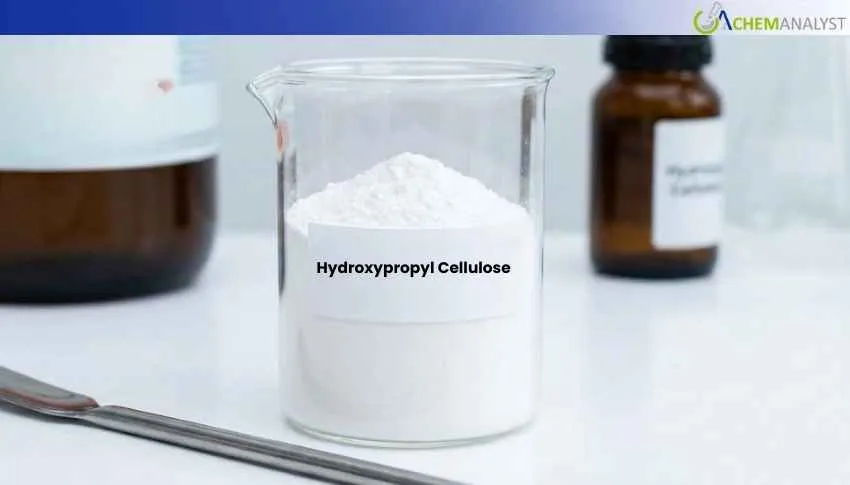
The market for Hydroxypropyl Cellulose in the United States, specifically the CFR Houston market, witnessed some changes in market prices towards the end of 2025 and the beginning of 2026. Initially, the market was stable, having a constant market price in November 2025; but suddenly, the import prices for Hydroxypropyl Cellulose fell in December 2025, followed by a moderate increase in the market in January 2026. In December 2025, the prices of imports related to Hydroxypropyl Cellulose dropped significantly by over 17%, relative to the prices that had been recorded in the previous month. This unexpected drop came at a time when market stability had been witnessed in November. There were several major reasons that led to this drop.
The first factor that contributed to the reduction in Hydroxypropyl Cellulose prices was the reduction in input costs. The main feedstock for Hydroxypropyl Cellulose, which comes from cellulose materials, experienced a reduction in price due to increased availability and lower demand in other sectors. This triggered a chain reaction that led to a reduction in Hydroxypropyl Cellulose price in the import market. This was because the suppliers, who were experiencing excess products in their inventories, reduced their prices. The problem of oversupply was further made worse by some logistical bottlenecks in the months before December, which gave importers a chance to negotiate better Hydroxypropyl Cellulose prices.
In addition, the dynamics of trade were an equally crucial factor. December normally experiences a slowdown in purchasing due to the finalization of annual budgets, thereby reducing import shipments. This normal trend of the season got amplified in the year 2025 due to uncertainty related to changes in regulations on the importation of chemicals. The threat of new import duties has weakened demand as consumers have deferred spending, adding to the downward pressure on prices.
On the demand side, some of the downstream sectors that use Hydroxypropyl Cellulose, such as the pharmaceutical, cosmetic, and food sectors, had less activity in December. This was a result of the post-holiday slowdown. This lessened demand added to the pressure on the price, resulting in a perfect storm that led to a sharp correction in the price. Nonetheless, this declining trend did not continue through 2026. By January, the Hydroxypropyl Cellulose market started to exhibit signs of a rebound. Prices began to increase slightly, with a 1.42% increase from the low prices in December.
Firstly, the removal of trade uncertainty had a very important influence. The clarifications regarding the tariffs and the rules of regulation encouraged importers to reactivate their buying behavior, which had been delayed in December. A resumption of normal buying patterns for Hydroxypropyl Cellulose contributed to market stabilization and the regaining of upward momentum.
Secondly, downstream demand picked up at the beginning of the year. The pharmaceutical industry began to increase their Hydroxypropyl Cellulose production plans for new product launches and replenishments following the holiday period. Cosmetic manufacturers also met their demands for seasonal products. This boosted new purchasing of Hydroxypropyl Cellulose. This helped to absorb any excess supply in the market. Finally, there were some logistics improvements which had an impact on the price increase.







Leave a Comment
Comments (0)