Welcome To ChemAnalyst
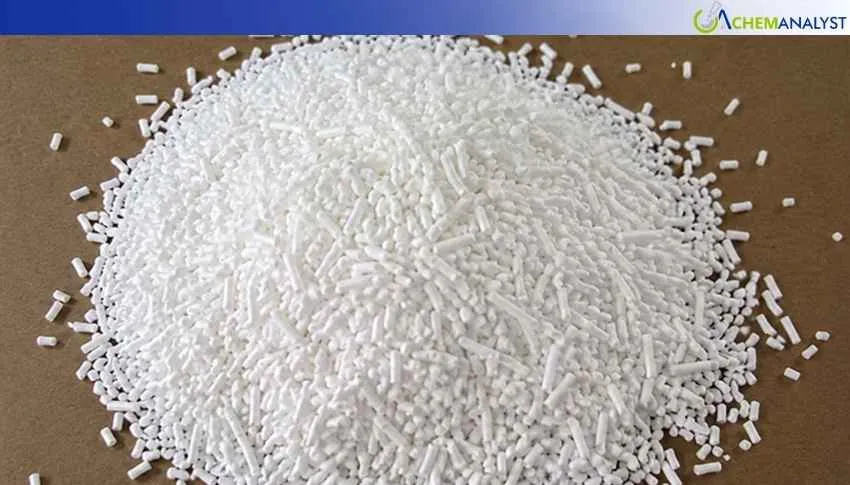
The US import market for Potassium Sorbate, a key pharmaceutical excipient and food preservative, showed an upward trend in April 2026. Prices rose strongly in April and May, supported by tight export availability from China, firm FOB Asia quotations, and seasonal demand from US food preservation and pharmaceutical sectors. Early inventory building ahead of peak summer Potassium Sorbate demand further strengthened import activity, while volatile Asia–US freight conditions added upward cost pressure. The market peaked in May as supply constraints and strong export inquiries sustained bullish sentiment. By June 2026, Potassium Sorbate prices are likely to witness a slight drop as Chinese production stabilized, inventories rebuilt, and logistics conditions improved, easing earlier cost-driven inflation. Factors supporting this include the demand normalization across the key importing market after initial restocking, particularly in food applications. Supported by weakened freight cost and ease in trade disputes. As a result, the market is likely to transit from a short-term supply-driven rally to a more balanced environment. Going forward, Potassium Sorbate pricing direction is expected to depend on FOB China trends, freight stability, and seasonal downstream demand patterns.
The US import market for Potassium Sorbate, a widely used pharmaceutical excipient and food preservative, experienced a firm yet gradually moderating price trend across April to June xxxx. The market moved from a strong upward trajectory in April–May, reflecting a transition from supply-driven tightness to more balanced global conditions. Overall, the sentiment in the US remained cautiously firm, supported by seasonal demand and earlier Potassium Sorbate inventory restocking, but tempered by improving supply availability from Asia and stabilizing freight costs.
Potassium Sorbate imports from the US in April xxxx recorded a price of USD xxxx/MT, reflecting an increase of x.xx, mainly attributed to reduced availability for export from China and firmer FOB Asia prices. Chinese suppliers managed their capacity, keeping their operational rates constant but focused more on fulfilling export contracts owing to healthy foreign market demand. These tight market dynamics were compounded by the early acquisition...
We use cookies to deliver the best possible experience on our website. To learn more, visit our Privacy Policy. By continuing to use this site or by closing this box, you consent to our use of cookies. More info.




