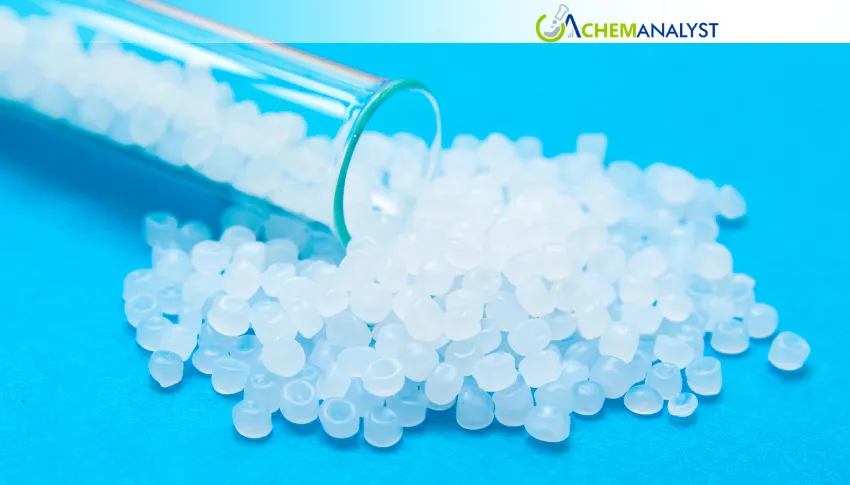
A major factor contributing to the decline in LDPE Prices was the sharp fall in feedstock ethylene values. Feedstock ethylene prices declined by 27.6% during June as geopolitical tensions in the Middle East eased significantly following the MOU signed between the United States and Iran on June 17–18. The agreement aimed to end regional conflict and gradually reopen the Strait of Hormuz, easing concerns surrounding global energy and petrochemical supply chains.
As geopolitical risks subsided rapidly, international crude oil futures declined sharply, dragging commodity prices lower across the board. The reduction in energy costs significantly weakened support for the feedstock ethylene market, lowering production expenses for polymer manufacturers. The softening ethylene complex further amplified bearish sentiment across the LDPE market, as producers faced weaker cost support alongside growing competition from discounted offers in both domestic and export markets.
Supply conditions remained overwhelmingly comfortable throughout the assessment period. High cracker operating rates and sufficient feedstock availability supported steady production levels, while inventories continued to build across the domestic market. Product availability remained abundant, limiting the ability of suppliers to defend pricing. In response to rising inventories and weak order books, producers actively lowered offers to reduce stock levels and improve sales activity, intensifying competitive pressures among sellers.
Demand conditions offered little support for the LDPE market. Buying activity from downstream sectors remained muted, particularly among packaging and film converters that continued to reduce procurement volumes. Many converters increasingly substituted alternative polyethylene grades where possible, further weakening consumption of LDPE. Demand from film extrusion, injection molding, and blow molding industries also remained subdued, with purchases largely restricted to routine operational requirements.
LDPE export demand also remained disappointing, removing another potential avenue for inventory reduction and adding further pressure on domestic suppliers.
According to Chemanalyst data, the LDPE market is expected to remain under pressure in the near term. Ample domestic supply, comfortable inventory levels, subdued export activity, and cautious downstream purchasing are likely to continue limiting recovery prospects.







 About ChemAnalyst
Leave a Comment
Comments (0)