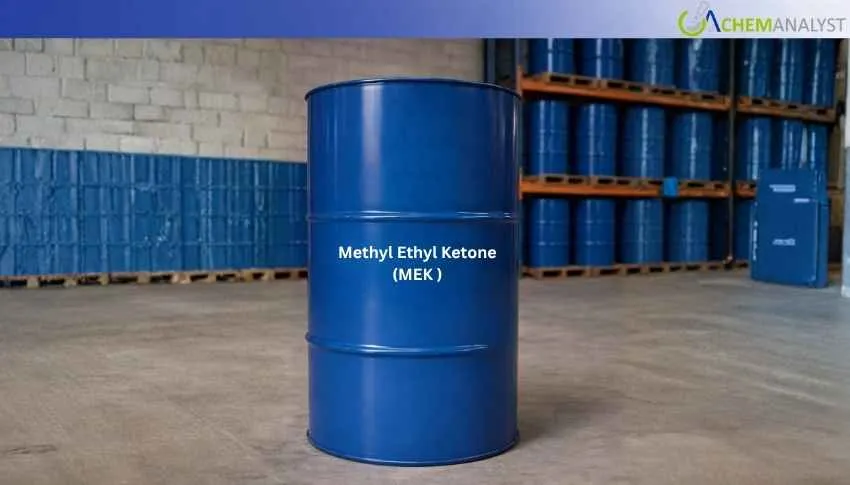
The bullish trend in the MEK market was largely supported by firm export prices from Asian suppliers. Limited cargo availability from Asia, coupled with reduced operating rates at key production units, constrained export volumes and tightened spot availability of MEK in the U.S. market.
Escalating geopolitical tensions following the 28 February 2026 strikes on Iran by the United States and Israel intensified volatility across global petrochemical markets. The ongoing instability in the region has continued to disrupt supply chains and reinforce upward pricing momentum for MEK.
Crude oil prices surged above $100 per barrel during March, significantly increasing feedstock costs across the petrochemical value chain. Higher sec-butanol prices in Asia raised production costs for exporters, which directly pushed up global offers and strengthened the pricing environment for MEK.
The Middle East crisis further tightened upstream supply. Attacks on Saudi energy facilities reduced oil production capacity by around 600,000 barrels per day and disrupted pipeline flows by approximately 700,000 barrels per day, exacerbating feedstock shortages for MEK production.
Logistical challenges also intensified during this period. Disruptions in shipping routes such as the Strait of Hormuz increased freight rates, raised war-risk insurance premiums, and extended delivery timelines. These factors significantly elevated landed costs and reduced the availability of competitively priced cargoes.
On the supply side, the U.S. market faced additional pressure due to limited domestic production and continued reliance on imports from Asia and Europe. Tight inventories and reduced inflows allowed suppliers to maintain firm offers, further supporting the upward trajectory of MEK prices.
Demand conditions remained mixed across downstream sectors. Paint, coatings, and adhesive manufacturers adopted cautious procurement strategies due to ongoing uncertainty in the construction sector, which directly influenced consumption patterns for MEK.
The U.S. housing market showed signs of stabilization but remained below neutral levels, with the Housing Market Index at 38. Around 37% of builders continued offering incentives, while mortgage rates increased by 40 basis points, limiting stronger recovery in construction-linked demand for MEK.
However, employment gains of 26,000 jobs in March indicated some resilience in construction activity. This provided baseline support to downstream industries, although purchasing remained largely need-based rather than driven by aggressive restocking of MEK.
As per the Chemanaslyst data, the MEK market is expected to remain firm in the near term. Persistent geopolitical risks, elevated feedstock costs, and ongoing logistical disruptions are likely to sustain upward pressure, while cautious downstream demand may moderate the pace of further increases in MEK prices.








 About ChemAnalyst
Leave a Comment
Comments (0)