Welcome To ChemAnalyst
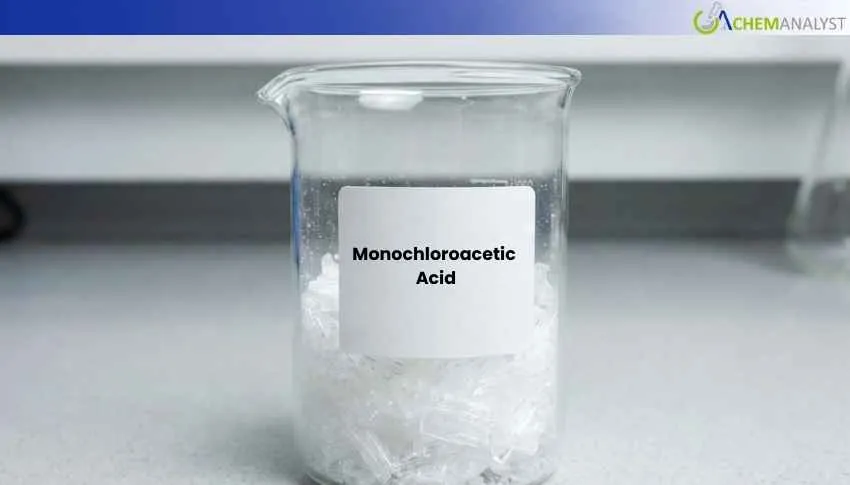
In early January 2026, the monochloroacetic acid market in the United States began to see a strong increase in prices. Many buyers of monochloroacetic acid had returned to the market after the seasonal slowdown, only to be met by even higher offers, and with far less discounting. Industry participants indicated that the increase in monochloroacetic acid price was attributable to both restocking demand as well as suddenly reduced availability of immediate supply, along with an overall rise in delivered costs, especially on an immediate-need basis for the smaller-volume spot purchases. Most participants also pointed towards limited transportation availability and thus higher trucking expenses as key drivers behind the higher domestic delivered pricing of monochloroacetic acid. Higher costs of global ocean transportation, along with general carrier price increases, further increased the delivered cost of monochloroacetic acid. Finally, seasonal operating constraints, such as winter energy costs, put additional pressure on manufacturers and distributors, resulting in reduced availability of both products as well as additional operating and distribution costs. The increased demand from downstream users, such as specialty chemicals, pharmaceuticals, and agricultural products, resulted in a growing interest in buying.
US buyers returned from the holiday lull to find sharper offers for monochloroacetic acid, with contract discussions and spot bids in early January resetting materially higher than late December. Traders pointed to a tight prompt window, especially for smaller lots, and a rapid pass-through of logistics and operating surcharges that lifted monochloroacetic acid values across the Gulf-to-Midwest corridor.
Distributors said the early January uptick in monochloroacetic acid prices had all the hallmarks of a “restock plus friction” start to the year. After running inventories down in Qx, buyers in pharma, agrochemical intermediates, and specialty surfactants stepped back in to rebuild coverage. At the same time, monochloroacetic acid sellers were noticeably firmer on pricing, pointing to tighter near term availability and showing less willingness to offer volume discounts.
Cost discussions also moved beyond feedstocks and toward the realities...
We use cookies to deliver the best possible experience on our website. To learn more, visit our Privacy Policy. By continuing to use this site or by closing this box, you consent to our use of cookies. More info.




