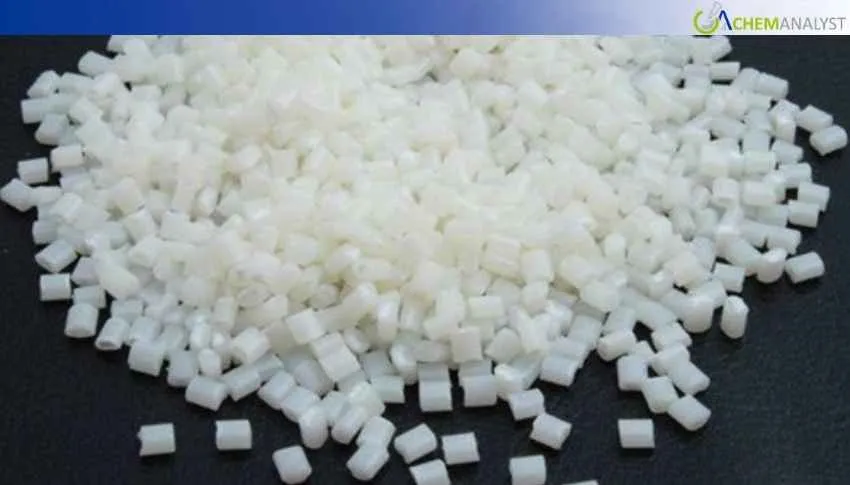
Early February saw PBR in the USA trade broadly flat week-on-week as cost pressures and tight supply dynamics from January carried into the new month. After a notable month-on-month decline in January, the market entered early February with offers held steady while producers and buyers assessed feedstock-driven cost pass-through and inventory positions. Overall market sentiment remained cautious with buyers were reluctant to replenish aggressively given seasonal demand uncertainty, while sellers-maintained firm offers to protect margins amid elevated upstream costs and constrained prompt availability.
Demand for PBR in early 2026 reflected a split between automotive and industrial segments. Passenger automotive activity provided the main support, with replacement tyre demand holding steady despite U.S. vehicle sales reaching 1,107,423 units in January, down 25% month-on-month, partially offset by elevated dealer inventories of low-cost imports. Original-equipment (OE) demand for passenger car tyres fell 2% for 2025, following a 5% contraction in H1 and a 1% rise in H2, while truck OE collapsed 20% due to fleet stockpiles, though replacement truck demand rose 5% on pre-tariff buying. Specialty OE applications across agriculture, construction, and materials handling remained subdued, limiting incremental PBR uptake. Global mining tyre demand grew 4%, providing partial support. Overall, steady replacement tyre consumption and selective industrial demand sustained PBR offtake.
On the supply side, PBR producers faced significant cost and availability challenges. A sharp escalation in 1,3-butadiene feedstock costs measured at a double-digit percentage rise significantly increased production expenses and pressured margins, prompting producers to defend higher PBR offers. Regional steam crackers also experienced unplanned rate reductions and maintenance that limited butadiene flows, tightening prompt allocations and keeping inventories lean across major distribution hubs. Logistics and trade flows added further strain, as tight Southeast Asian export availability reduced landed import volumes and constrained buyer flexibility, reinforcing a firmer price tone despite cautious buyer behaviour.
As per ChemAnalyst expectations, PBR prices are likely to remain bullish through mid-2026, with modest month-to-month fluctuations. This upward pressure in the PBR price fluctuations is majorly supported by elevated feedstock costs, constrained cracker output, and lean inventories, allowing producers to pass through cost increases. Seasonal factors are also expected to influence demand with pre-summer restocking may bolster offtake in late spring, while a projected spring slowdown and mid-summer maintenance at tyre and industrial plants could temporarily restrain spot purchases.







 About ChemAnalyst
Leave a Comment
Comments (0)