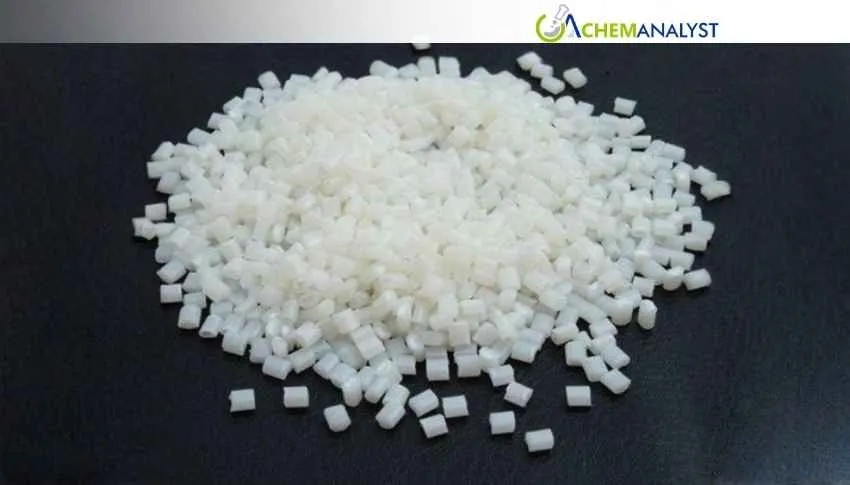
Polybutadiene Rubber (PBR) prices in the United States declined sharply by 8.06% during the week ending 22 May 2026, pressured by falling feedstock costs, adequate market availability, and weakening downstream demand from the domestic tire manufacturing sector.
On the supply side, declining butadiene values remained the primary bearish driver for the U.S. PBR market during the reference week. Butadiene, a major C4 derivative obtained from ethylene steam cracking, registered a 4.6% week-on-week decrease, directly reducing PBR production costs and eliminating the cost-support mechanism that had sustained elevated domestic offers during March and April. The decline in butadiene pricing was largely attributed to the gradual unwinding of crude oil risk premiums as improving geopolitical stability between the United States and Iran eased pressure across naphtha and cracker feedstock economics. Additionally, no significant PBR production outages, logistics bottlenecks, or force majeure announcements were reported during the week, allowing domestic PBR producers to maintain stable operating rates and adequate supply availability. Inventory conditions across supplier networks also improved compared to previous months when precautionary stocking behavior had tightened market balances. Consequently, the absence of supply-side disruptions removed scarcity-driven pricing leverage from the market, forcing PBR suppliers to revise offers downward to sustain transaction activity.
Demand conditions weakened considerably during the week, particularly within the tire manufacturing sector, which represents nearly 70% of domestic PBR consumption. Softer automotive production scheduling in the United States reduced procurement activity from tire manufacturers supplying OEM assembly lines. The seasonally adjusted annualized rate (SAAR) for U.S. light vehicle production eased to 17.3 million units from March’s 17.8 million units, directly lowering synthetic rubber compound requirements. Replacement tire demand remained structurally supported; however, distributors largely focused on reducing inventories accumulated during the geopolitical uncertainty period of March and April. Buyers across tire, polymer modification, and specialty application sectors adopted a disciplined need-based purchasing strategy, avoiding aggressive spot market procurement amid expectations of further price corrections.
Looking ahead, the near-term outlook for U.S. PBR prices remains moderately bearish as stable supply conditions and softer butadiene feedstock values continue to pressure market fundamentals. Market participants expect butadiene pricing to remain relatively subdued if crude oil markets stabilize further and naphtha feedstock costs remain manageable. Additionally, cautious procurement behavior from tire manufacturers and distributors may continue limiting spot market liquidity through early June. However, any unexpected supply disruptions in the butadiene chain, refinery outages, or renewed geopolitical escalation affecting energy markets could temporarily tighten feedstock availability and stabilize PBR pricing. Market participants are expected to closely monitor crude oil movements, automotive production schedules, and butadiene contract settlements as key indicators influencing short-term PBR market direction.








 About ChemAnalyst
Leave a Comment
Comments (0)