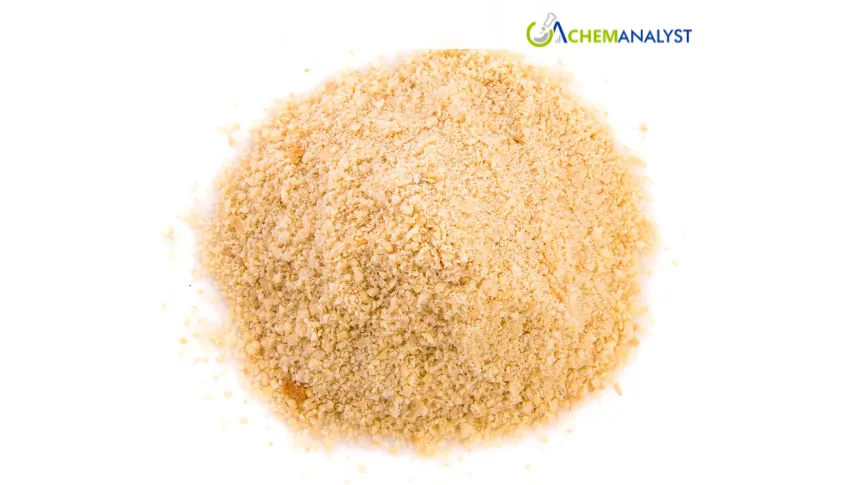
Pectin CFR Los Angeles prices continued to ease in the first half of July 2026, declining by another 1.0% after 1.80% drop in June as procurement urgency weakened across distribution networks. Buyers largely relied on committed contract volumes rather than entering the spot market, particularly for continuous jam and jelly production. While logistics costs remained elevated, adequate import availability and stable supplier offers kept downward pressure on Pectin pricing. Market participants reported that inventories remained sufficient to meet current consumption needs, limiting the necessity for aggressive spot purchases. According to ChemAnalyst data, cargo flows into Los Angeles continued uninterrupted, supported by stable port operations and the absence of major export plant disruptions.
Demand trends across end-use industries remained mixed. Core food and confectionery applications continued to provide the largest share of Pectin consumption, especially among manufacturers of jams, jellies, fruit spreads, and dairy products. Major retail-linked production programs serving Walmart, Kroger, Costco, and Target maintained baseline demand levels. However, these requirements were largely fulfilled through existing contractual arrangements, reducing fresh spot inquiries for Pectin. At the same time, clean-label and plant-based product reformulations continued to generate moderate interest from natural and vegan food brands.
A notable demand contributor emerged from California’s wine industry, where pre-harvest operations began supporting niche Pectin requirements for juice clarification applications. This seasonal activity supplemented the dominant confectionery demand base and provided limited support to market sentiment. Nevertheless, the increase was not substantial enough to offset the broader slowdown in spot procurement activity. Supporting macroeconomic indicators remained relatively stable, with the US Manufacturing index easing from 54.0% in May to 53.3% in June, while headline CPI declined from 4.2% to 3.5%, reflecting a steady but not strongly expansionary industrial environment.
On the supply side, Pectin availability remained comfortable. Producers continued benefiting from abundant citrus peel supplies and stable apple-pomace availability, particularly in Brazil and Mexico. These favorable feedstock conditions enabled exporters to maintain competitive offers and clear inventories efficiently. The resulting origin-side concessions helped offset elevated freight expenses and sustained a healthy supply of HM Pectin into the US market. Although rising bunker fuel costs and geopolitical shipping risks continued to pose potential cost pressures, no significant disruptions were reported. Typical Shanghai–Los Angeles transit times remained around 22–28 days, while existing tariff structures continued influencing sourcing strategies.
Looking ahead, ChemAnalyst expects Pectin prices at CFR Los Angeles to remain slightly soft through the remainder of July. Procurement activity is anticipated to stay measured as distributors and processors continue operating on existing contract volumes for jam and jelly production. While California wine-sector demand may provide seasonal support, ample inventories and competitive supplier offers are likely to keep the market balanced. Unless freight costs rise sharply or supply disruptions emerge, Pectin prices are expected to maintain a mild downward-to-stable trajectory during the near term.








 About ChemAnalyst
Leave a Comment
Comments (0)