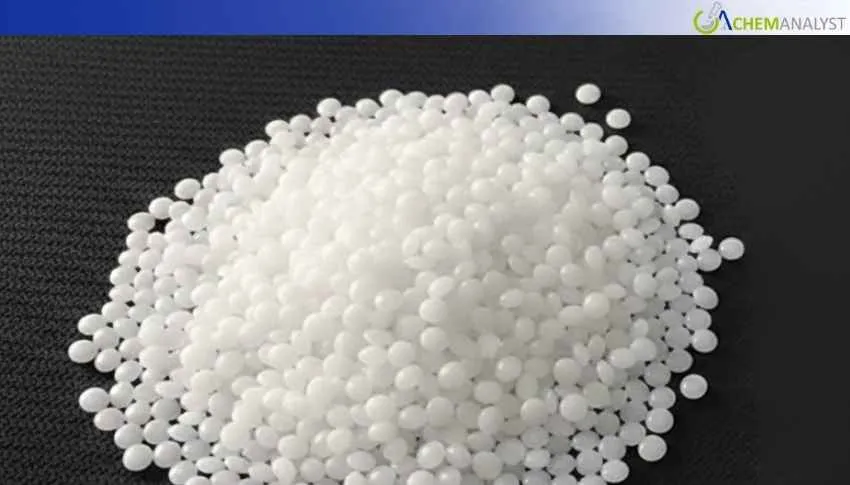
The supply situation for Polyoxymethylene (POM) remained sufficiently active as the new year began. Manufacturers continued to operate at stable rates of production after the holidays, with formaldehyde or other intermediate feedstocks well in place. A couple of makers continued to produce at normalized levels of capacity, resisting sharp cutbacks to maintain adequate spot upply despite weakening demand.
Distributors indicated sufficient POM inventory on hand, with logistics recovering after seasonal disruptions to permit normal shipments of monomer into plants or of resins out to customers. The combination of uninterrupted manufacturing, flat feedstock prices, and steady logistics, together produced sufficient supply to outpace consumption, putting downward pressure on prices of POM.
Downstream demand for POM slowed down in all major end-use industries, with converters buying in small quantities to meet the immediate needs and staying away from forward buying. Demand for engineering plastics from the manufacturers of electrical, appliance and industrial goods remains tepid as order visibility for the beginning of Q1 is still not clear.
Automotive activity—critical for POM in precision components, fuel system parts and interior fittings—was particularly weak. Indications of weakened vehicle demand surfaced in the year-end data from leading car manufacturers, with GM registering a 7% depreciation in fourth-quarter sales, while several other carmakers also underperformed in their year-end sales implying that vehicle price fatigue among consumers could have a negative impact on production schedules in 2026. This sentiment led to a retreat in POM buying, reducing spot purchases.
Electronics and appliance segment demand was also conservative with their purchases in light of uncertain demand visibility, with export inquiries remaining rather tepid as global customers postponed substantial purchases.
Looking ahead, POM prices are likely to face further pressure in the short term unless a definite recovery in automotive manufacturing or a trend of increased industrial production emerges. The industry is likely to witness some run-rate adjustments and maintenance by the producers to balance the POM inventory levels; however, widespread reductions are less likely to happen unless the order books are strengthened.
Market watchers are expected to observe the early Q1 vehicle sales data and the production plans of the automobile MNCs before committing to bulk purchase. Presently, the industry is witnessing a conservative market, which is expected to observe price stabilization and selective purchasing.







Leave a Comment
Comments (0)