Welcome To ChemAnalyst
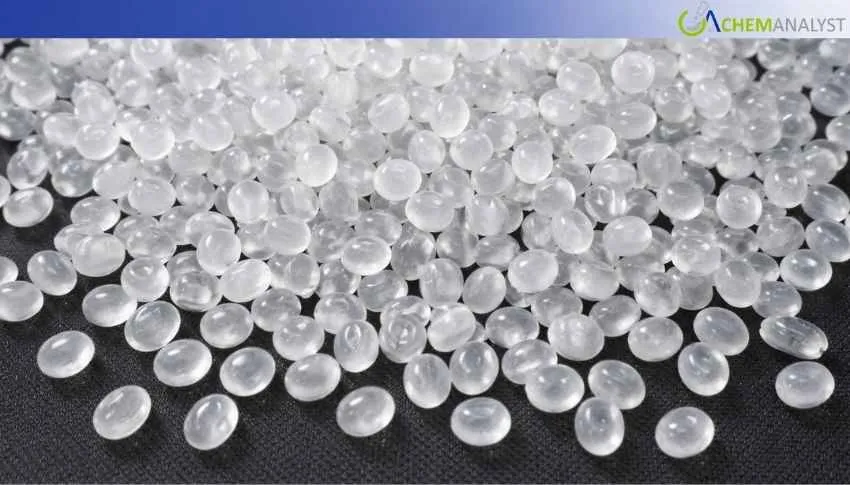
The U.S. polypropylene market accelerated into April due to acute monomer tightness and disrupted trade flows, with cost-push from naphtha and Gulf Coast logistics bottlenecks intensifying. Midmonth, export demand supported higher values as Middle East flows were curtailed; early April cracker outages and constrained propylene supply kept spot markets tight. The result was a rapid re-pricing cycle for homopolymer grades priced FOB Texas, with converters and industrial buyers rebuilding near-term balance. Demand was bifurcated across end-use sectors, though packaging—rigid, flexible, and expanding BOPP film applications—emerged as the strongest offtake, supporting procurement even as resin costs rose. In contrast, plastics and rubber manufacturing indicators showed an approaching softness (ISM low), hinting at tempered demand. Upstream, rising monomer costs and tight LPG/propane, plus a sharp naphtha rally, raised production costs and narrowed polymer margins. Maintenance and lower cracker runs further tightened supply. Near-term view: prices likely remain elevated, subject to continued disruptions or relief.
Polypropylene prices in the U.S. accelerated sharply into early April xxxx, driven by acute monomer tightness and disrupted global trade flows that tightened overall supply. The upward trajectory for Polypropylene began in early March following geopolitical escalation linked to the Israel–Iran war, which triggered a sharp increase in crude and naphtha costs, setting off a strong cost-push effect. This pressure intensified through mid-March as logistics bottlenecks across the U.S. Gulf Coast constrained movement. By late March, U.S. producers leveraged curtailed Middle East supply flows impacted by the war to capture export demand, further tightening the domestic Polypropylene market. Entering early April, multiple cracker outages and constrained propylene availability forced spot Polypropylene prices higher, resulting in a rapid re-pricing cycle for homopolymer grades FOB Texas.
Demand for Polypropylene remained uneven across downstream sectors even as prices climbed. Packaging applications—both rigid and flexible, including growing BOPP...
We use cookies to deliver the best possible experience on our website. To learn more, visit our Privacy Policy. By continuing to use this site or by closing this box, you consent to our use of cookies. More info.