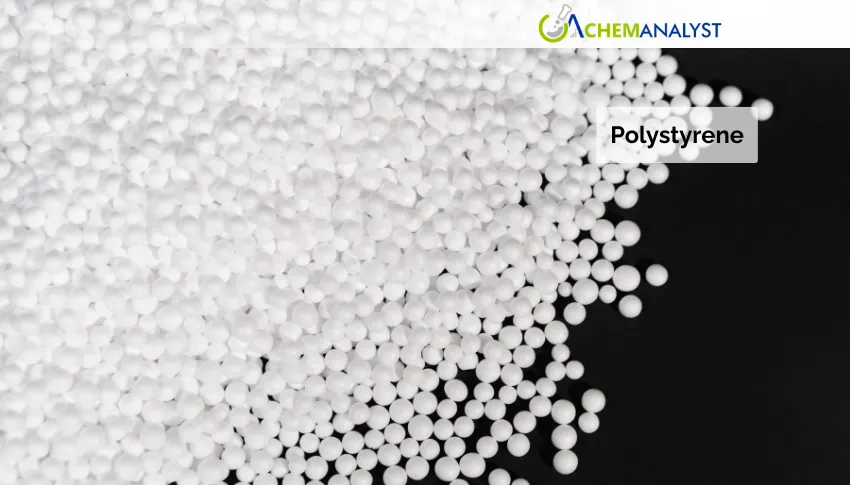
U.S. Polystyrene prices moved lower during the first week of June 2026, following a period of strength seen throughout much of May. According to market assessments, Polystyrene prices declined by nearly 1% week-over-week as buyers adopted a cautious approach after replenishing inventories during the previous month. The decline in Polystyrene values was primarily linked to softer purchasing activity, easing upstream cost support, and a broader correction in the global styrene market.
The global styrene market experienced a significant adjustment during May after recording strong gains in April. In the United States, styrene prices fell by 6.24% during May, reducing cost pressure across the Polystyrene production chain. This decline in styrene feedstock values provided less support for Polystyrene offers and contributed to the softer market sentiment observed in early June.
Demand for Polystyrene remained mixed across key downstream sectors. The packaging industry continued to be the primary support for Polystyrene consumption, particularly from food packaging manufacturers preparing for increased summer demand. However, after the strong inventory replenishment activity seen in mid-May, many converters reduced fresh purchases and focused on consuming existing stocks. As a result, Polystyrene trading activity slowed during the first week of June.
Demand from consumer goods and construction-related applications remained moderate. While these sectors continued to purchase Polystyrene materials, buying volumes were insufficient to offset the slowdown in packaging procurement. Market participants reported that most buyers preferred securing material only for immediate production needs rather than building additional inventories.
On the supply side, Polystyrene availability remained comfortable. High operating rates at upstream facilities, supported by lower natural gas costs and adequate benzene supply, ensured sufficient feedstock availability. Although maintenance activities at selected styrene facilities tightened spot supply during May, the impact gradually eased entering June. Consequently, the Polystyrene market remained well supplied, limiting opportunities for suppliers to increase prices.
Logistics conditions also influenced market sentiment. Freight rates from Asia to the United States increased sharply due to tariff-related frontloading and ongoing disruptions linked to the Middle East conflict. However, the immediate impact on domestic Polystyrene pricing remained limited as inventory levels across the U.S. market were considered adequate. Competitive import availability also continued to restrain aggressive price increases.
According to ChemAnalyst, the near-term outlook for Polystyrene remains balanced. Seasonal demand from packaging applications is expected to provide some support, while stable supply conditions and cautious procurement strategies are likely to limit significant price gains. Market participants will closely monitor styrene price movements, inventory levels, and downstream demand trends to assess the future direction of the Polystyrene market. Overall, Polystyrene prices are expected to remain under mild pressure in the short term as buyers continue to evaluate market fundamentals.






Leave a Comment
Comments (0)