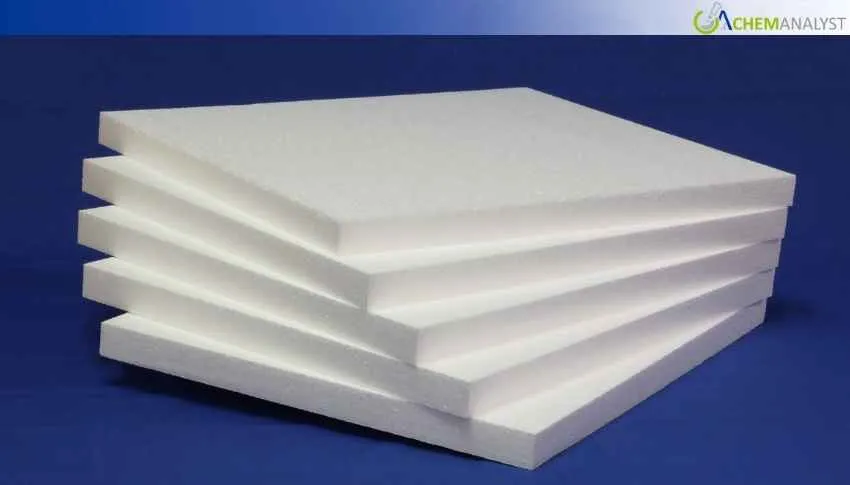
Polystyrene prices in the USA moved higher into early February, capping a generally steady January trading backdrop that shifted toward firmer sentiment. Early January saw neutral conditions with balanced buying interest and routine production, while mid-month developments in HIPS undercut momentum briefly. By mid-to-late January, however, resilient packaging demand and tighter inventories nudged the market toward a firmer footing, and this constructive bias carried into early February per weekly assessment data. Overall, the Polystyrene market experienced calm logistics and no material operational disruptions, allowing end-use demand signals to more directly influence spot discussions and short-term Polystyrene price direction.
Polystyrene demand was led by packaging, which remained the strongest sector and underpinned much of the recent firmness; applications spanning general packaging, EPS/XPS insulation and foam continued to absorb available volumes and sustained spot interest. In contrast, the construction-related uptake for EPS and XPS was moderate, providing steady but not outsized support. Appliance demand, notably HIPS usage in appliance liners, continued to offer supporting offtake that helped sustain run-rate operating margins. Policymakers are also shaping the demand picture, statewide single-use polystyrene bans now exist in 12 states and are estimated to reduce domestic demand by roughly 25%.
On the supply side, sources pointed to tightening inventory balances and constrained domestic availability as the principal forces bolstering the Polystyrene market, while broader logistics and plant operations remained steady throughout January. Rising energy or feedstock costs were not highlighted as acute pressures in the reporting, but elevated input cost narratives can re-emerge quickly and remain a watch item for market participants.
Weekly Polystyrene market behaviour through January into early February showed a modest change and flow rather than wholesale volatility: early-month readings were largely stable, mid-month saw a short dip before a rebound in late January, and trading settled into a calm pattern ahead of the uptick into early February. Per weekly assessment data, the Polystyrene market moved higher at the start of February, reflecting the cumulative effect of resilient packaging demand and the tighter on-the-ground inventory stance, rather than any single disruptive event.
As per ChemAnalyst, Polystyrene prices are likely to remain firm in the immediate short term based on current market trends, with tightening inventories, persistent packaging offtake and constrained domestic availability cited as the main upward drivers. That said, the regulatory backdrop, particularly the multi-state single-use polystyrene bans, remains a moderating factor that could temper longer-term upside and alter demand composition. ChemAnalyst note that near-term direction will be subject to market conditions, including any shifts in end-use demand or unexpected changes in supply or logistics.







 About ChemAnalyst
Leave a Comment
Comments (0)