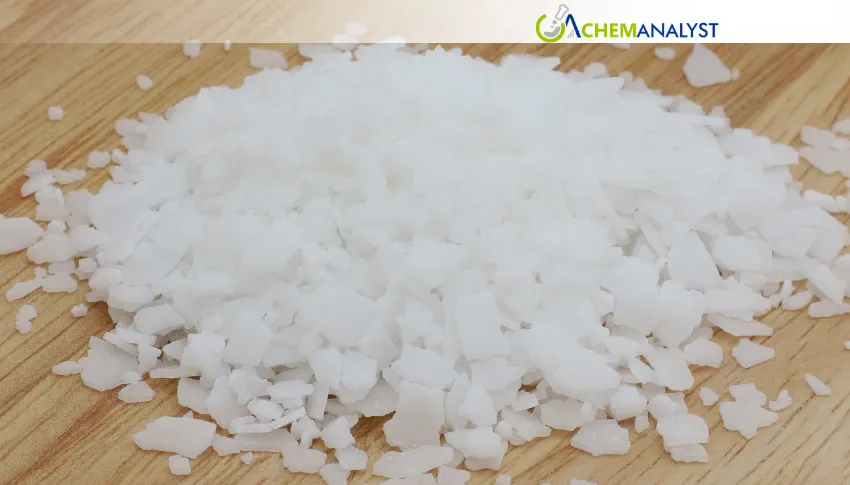
The US stearic acid rubber grade market remained largely stable during late June 2026 as balanced supply fundamentals and cautious downstream procurement kept prices unchanged on a week-on-week basis. Although market participants observed intermittent attempts by sellers to raise offers earlier in the month, overall trading activity slowed toward the end of June, leaving stearic acid prices effectively flat. The market entered a holding pattern as buyers and sellers awaited clearer direction regarding feedstock costs and downstream demand.
Demand conditions remained mixed throughout late June. The rubber industry continued serving as the principal source of support for the stearic acid market, with steady consumption from rubber manufacturers helping maintain stable purchasing volumes. While demand from the rubber sector remained consistent, procurement largely reflected routine operating requirements rather than inventory expansion, limiting opportunities for suppliers to strengthen pricing.
Outside the rubber segment, industrial demand for stearic acid remained comparatively weaker. Consumption of stearic acid across broader industrial applications softened during the second half of June as buyers maintained conservative procurement strategies. This cautious purchasing behavior reduced spot market activity and offset the support generated by stable rubber-sector demand. As a result, overall stearic acid offtake remained moderate, leaving market sentiment balanced but fragile.
Feedstock developments continued to influence production economics. Falling crude palm oil prices reduced manufacturing costs for oleochemical producers across Southeast Asia, allowing exporters to offer stearic acid at more competitive levels. The decline in feedstock costs weakened the raw material support that had previously underpinned pricing, encouraging suppliers to remain flexible during commercial negotiations.
However, logistics costs partially offset the benefit of cheaper feedstocks. Elevated freight rates on Asia-to-North America shipping routes continued supporting CFR import values, preventing the full impact of lower crude palm oil prices from being reflected in delivered stearic acid offers. Consequently, the stearic acid market experienced balanced pricing rather than significant downward movement despite improving production economics.
Weekly market movements reflected these balanced fundamentals. After experiencing a sharper decline of approximately 2.6% during the second week of June amid weaker feedstock values and softer purchasing activity, the stearic acid market recovered modestly during the following week as freight-related costs and stable rubber-sector demand provided support. By the final week of June, however, prices remained unchanged on a week-on-week basis, illustrating the increasingly balanced relationship between supply and demand.
Looking ahead, the near-term outlook for stearic acid remains broadly range bound. Current market conditions suggest only limited downside risk, with crude palm oil prices, Asia-to-North America freight costs, and downstream industrial demand expected to remain the principal market drivers. Continued stability in rubber-sector consumption should provide baseline support, while any recovery in broader industrial demand or increase in freight costs could strengthen pricing.







 About ChemAnalyst
Leave a Comment
Comments (0)