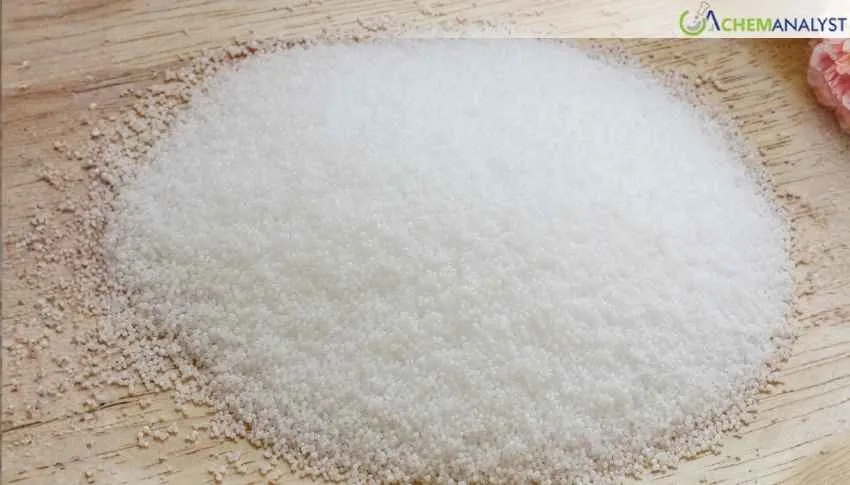
USA Stearic acid rubber-grade CFR New York experienced a price decline in late February 2026, with a week-over-week drop of 1.29% as sellers adjusted stearic acid offers to stimulate buying amid softer end-use demand. Early February saw relative market stability, but mid-month pressures intensified as suppliers reduced prices and expanded commercial flexibility to move prompt cargoes. The near-term sentiment was influenced by comfortable importer inventories at US ports and increased shipments from select Asian suppliers, amplifying selling pressure. Despite these weekly fluctuations, month-on-month figures for February still showed an overall increase.
End-use sector performance highlighted divergent demand patterns. Tire manufacturers maintained relatively steady procurement in the early weeks of February, supporting moderate buying around mid-month. However, as the month progressed, both tire and industrial rubber manufacturers scaled back purchases. While tire buyers were more stable early on, demand from both sectors weakened through mid- to late-February, prompting suppliers to reduce spot offers to stimulate sales.
Supply-side factors had a big impact on Stearic acid rubber grade prices over the period. Importers were sitting on comfortable inventories, which led exporters to offer discounts and more flexible delivery schedules. At the same time, several Asian suppliers moved extra Stearic acid volumes into the New York market to clear stock. Producers and merchants responded by giving extended payment terms, short-term promotional discounts, and smaller minimum order sizes to encourage buying and managing inventory. Interestingly, feedstock and energy costs weren’t much of a factor, showing that logistics, stock levels, and supplier strategies were the main forces shaping the market.
Weekly patterns for Stearic acid rubber grade showed a clear sequence of early gains giving way to steeper declines. Stearic acid prices rose modestly in the opening weeks of February, gaining around mid-single-digit weekly percentages in the first two weeks, before a notable drop mid-month when weekly assessment data recorded a decline of roughly 4.77%. That downtrend extended into the final week of February with the reported 1.29% fall, reinforcing an extended 12-week bearish trend in Stearic acid market reporting.
According to ChemAnalyst’s outlook, Stearic acid rubber grade prices will likely remain under pressure in the near term. Comfortable inventory levels, intensified competition from rising Asian Stearic acid shipments, and muted end-use demand will continue to weigh on market sentiment. Suppliers’ continued use of commercial flexibility will help limit sharp downside movements, while a sustained price recovery will require a rebound in tire and industrial Stearic acid offtake. Current trends suggest that, unless end-use buying strengthens, bearish pressure will persist through the upcoming sessions.








 About ChemAnalyst
Leave a Comment
Comments (0)