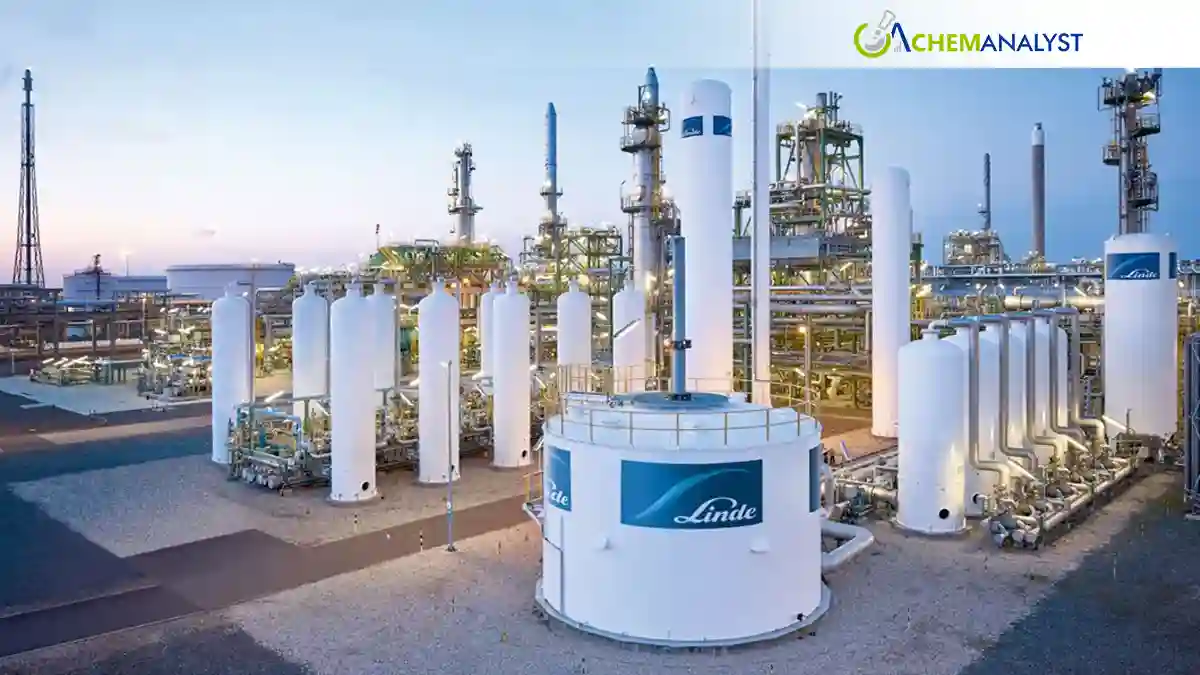
Valmet and Linde, one of the world’s foremost industrial gases and engineering companies, have entered into a strategic collaboration aimed at accelerating the adoption of electrically driven carbon capture technologies within the pulp and paper sector. Through this partnership, the two companies intend to combine their respective expertise to deliver integrated and energy-efficient carbon capture solutions that support the industry’s transition toward lower emissions and long-term sustainability.
The collaboration brings together Linde’s advanced HISORP® CC carbon dioxide capture technology and Valmet’s extensive experience in pulp and paper mill integration, environmental solutions, and process optimization. By leveraging these complementary capabilities, the companies aim to provide pulp and paper manufacturers with a practical and scalable pathway for reducing carbon emissions while maintaining operational efficiency.
A major advantage of the jointly developed solution lies in its electrically driven operation. Unlike traditional carbon capture technologies that rely heavily on steam or other forms of thermal energy, the HISORP® CC system enables efficient separation of CO2 without requiring significant heat input. This innovative approach is particularly beneficial for pulp and paper mills that have limited excess heat availability or are increasingly shifting toward electrified production systems. The technology also enables mills to make better use of renewable electricity sources, helping them align with broader decarbonization and climate goals.
The integrated solution is designed to fit seamlessly into existing pulp and paper mill operations. Valmet’s expertise in flue gas conditioning, process engineering, and mill-wide integration ensures that the carbon capture system can be implemented effectively without causing major disruptions to ongoing production processes. This flexibility is expected to make adoption easier for mills seeking to lower emissions while preserving productivity and operational reliability.
According to Tobias Keller, Executive Director of Adsorption & Membrane Plants at Linde Engineering, electrification is rapidly becoming one of the most important drivers of industrial decarbonization. He emphasized that carbon capture technologies must evolve alongside this shift in order to remain practical and efficient for modern industries. Keller noted that the HISORP® technology allows customers to avoid the need for steam-based systems and instead utilize renewable electricity to capture carbon dioxide more sustainably. He further highlighted that the partnership with Valmet strengthens the ability to integrate the technology directly into mill operations, enabling pulp and paper companies to achieve meaningful reductions in greenhouse gas emissions.
Lari-Matti Kuvaja, Director of Environmental Solutions, Pulp, Energy and Circularity at Valmet, also stressed the importance of industry-specific expertise when implementing carbon capture projects. He explained that pulp and paper mills present unique opportunities for carbon capture due to the characteristics of their production processes and flue gas streams. However, successful deployment requires deep operational understanding and reliable integration capabilities at the mill level. Kuvaja stated that the collaboration combines Linde’s electrically driven CO2 separation technology with Valmet’s strong process and environmental expertise, helping customers move closer to carbon-neutral production and long-term emission reduction targets.
As industries worldwide face growing pressure to reduce carbon emissions and comply with stricter environmental regulations, partnerships such as this demonstrate the increasing role of innovation and electrification in industrial sustainability. By offering energy-efficient and adaptable carbon capture solutions, Valmet and Linde aim to support the pulp and paper industry in its transition toward cleaner and more climate-friendly operations.








 About ChemAnalyst
Leave a Comment
Comments (0)