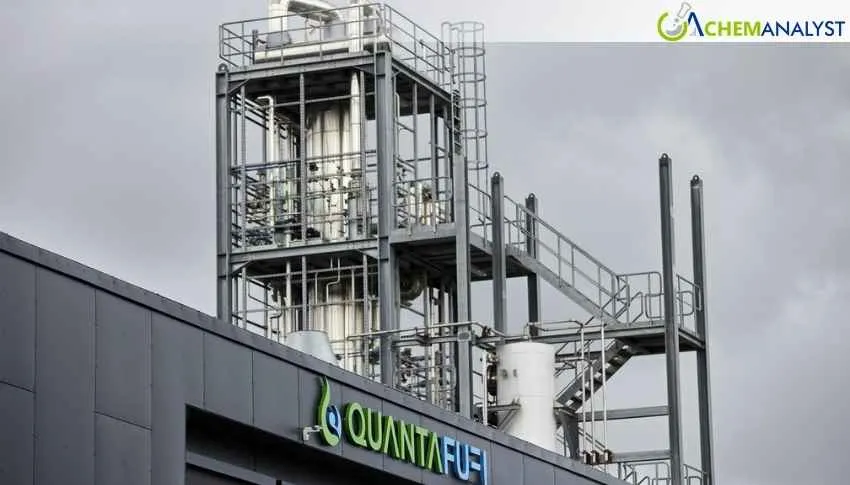
Viridor is considering the cessation of its chemical plastics recycling operations across Europe, specifically at facilities in Oslo, Skive, and Malmö, which are part of its Quantafuel platform. This potential move underscores a broader crisis within the European plastics recycling industry, following Viridor's earlier decisions to close its Rochester mechanical plastics recycling facility in August 2025 and its Avonmouth mechanical recycling plant in November 2024.
The primary causes driving Viridor's proposed closures stem from significant economic pressures and a challenging market landscape. The company highlights weakened demand for recycled polymers across Europe, exacerbated by intense competition from low-cost virgin plastics. This competition is further amplified by a global overcapacity in virgin polymer production, particularly from regions outside Europe, which has led to a decrease in demand and prices for recycled plastics.
A critical factor contributing to the industry's struggles is the inadequate policy and regulatory framework in both the UK and the EU. Viridor asserts that current policies fail to provide the necessary certainty or enforcement to support long-term investment in advanced recycling infrastructure. Delays in implementing key legislation, such as the UK government's 2018 Resources and Waste Strategy, have materially undermined the financial viability of domestic plastic recycling operations. Consequently, advanced plastics recycling has become "commercially uninvestable without policy changes." Despite the technological efficacy of its chemical recycling processes, which have achieved high yields of 70-75% at its Skive plant with the ability to recycle contaminated household plastics, Viridor states that the "broader business reality" is the overriding problem.
The consequences of these proposed closures are significant for the plastics recycling sector and the broader circular economy. It represents another setback for an industry striving to reduce plastic waste and reliance on fossil fuels. Should the closures proceed, it would lead to a reduced supply of recycled polymers in the UK market. Environmentally, a greater volume of hard-to-recycle plastics may continue to be directed towards energy recovery, landfill, or export, thereby increasing emissions and perpetuating dependence on virgin plastic production.
Economically, Viridor's UK mechanical recycling operations have already faced negative impacts, contributing to a statutory loss for the company in 2024/25, with its plastics recycling division reporting a £29.3 million loss in 2022/23. While Viridor's priority during this consultation is to support affected employees, exploring redeployment opportunities, the closures would not impact its Resource Denmark mechanical recycling and decarbonisation business or its core UK energy-from-waste activities.
In response to these challenges, Viridor is actively advocating for essential policy changes. The company calls for stronger measures to ensure European plastic waste is recycled within Europe, clear and enforceable recycled-content requirements with confirmed timelines, and the swift implementation of harmonised end-of-waste rules for chemically recycled plastics across Europe and the UK. These proposed changes aim to create a commercially viable market that supports the necessary investment for advanced plastics recycling to thrive.







 About ChemAnalyst
Leave a Comment
Comments (0)