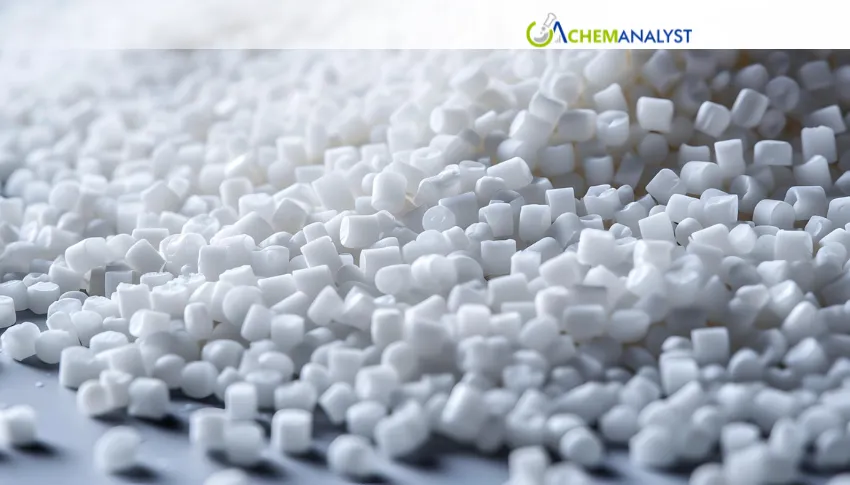
U.S. Polybutylene Terephthalate (PBT) prices remained unchanged in late August 2026, reflecting a balanced market in which stable production economics offset subdued purchasing activity. The market lacked a decisive catalyst as upstream availability remained comfortable while downstream buyers maintained disciplined procurement.
On the supply side, PBT production economics remained broadly stable as domestic availability of key feedstocks supported predictable operating costs. PTA prices were largely flat, while BDO declined by approximately 0.65%, providing a modest reduction in variable production expenses and removing a major cost-push argument for higher PBT offers. The absence of major production outages or pronounced feedstock tightening also prevented sellers from gaining stronger negotiating leverage. Meanwhile, market participants remained attentive to forthcoming maintenance schedules because even moderate reductions in operating rates could tighten availability if demand improves after the summer period. For August, however, sufficient material availability and softer feedstock costs kept the market comfortably supplied and restrained upward price movement.
Demand conditions remained mixed across the principal downstream applications of PBT. Automotive consumption was not strong enough to generate a broad purchasing surge, with August U.S. vehicle sales declining 6.3% year-on-year, despite stronger hybrid performance. This weakness limited requirements for PBT used in connectors, sensors, wire-harness components and housings. Nevertheless, electrical and electronics applications provided comparatively stable support as industrial equipment and infrastructure-related projects sustained requirements for specialty grades. Datacentre and AI-related investment also continued supporting the broader U.S. manufacturing ecosystem, although buyers remained cautious about carrying excessive inventories. U.S. manufacturing activity expanded in August, but new orders moderated, reinforcing the cautious procurement environment. Thus, PBT demand was sufficient to prevent a decline but insufficient to create meaningful spot premiums.
Looking ahead, PBT prices are expected to increase in September as downstream manufacturers resume normal operations following the summer slowdown and replenish inventories for fourth-quarter production. Buyers may also raise safety stocks because Gulf Coast weather could disrupt petrochemical production, power supply, ports and inland transportation. Tropical Storm Edouard made landfall near the Texas-Louisiana border on September 1, bringing winds of up to 60 mph and heavy rainfall, although major energy operations experienced limited disruption. Any subsequent storm-related interruptions could tighten feedstock availability and encourage precautionary purchasing of PBT.
However, the expected recovery should remain moderate because automotive demand is still uneven, and manufacturers are managing inventories cautiously. Prices are therefore anticipated to strengthen initially before weakening during Q4 as year-end production slowdowns, destocking and reduced procurement pressure offset earlier gains. Overall, PBT should transition from August stability toward firmer September pricing before facing renewed downward pressure later in the year.








 About ChemAnalyst
Leave a Comment
Comments (0)