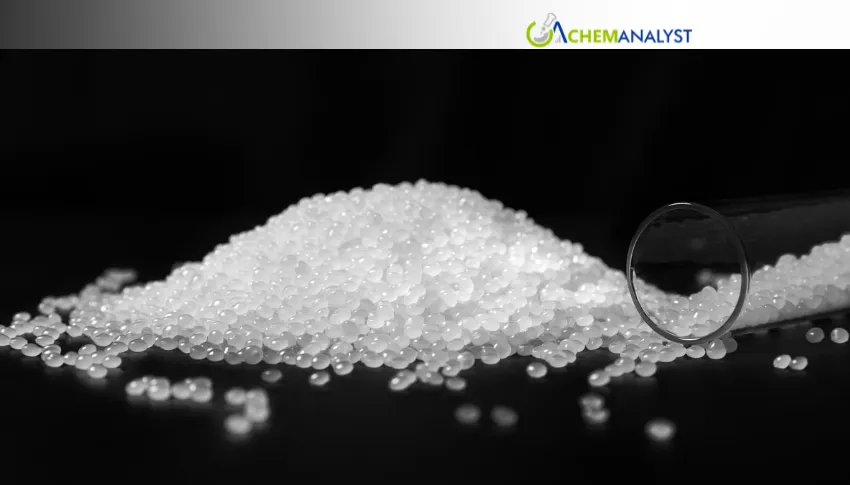
USA Polyolefin Plastomer (POP) prices on an FOB USGC basis declined 0.68% month-on-month in July 2026, as lower comonomer costs outweighed steady downstream consumption. The market remained adequately supplied, while cautious converter purchasing, and competitive Asian export offers limited producers’ ability to strengthen FOB quotations.
Supply and demand dynamics remained broadly balanced during July. Hexene prices declined 5.66%, lowering variable production costs and weakening the cost floor for POP producers. North American ethane-based ethylene availability remained secure, while Gulf Coast crackers and metallocene units operated without major disruptions. Comfortable inventories, improved rail and trucking availability, and the absence of hurricane-related outages kept material readily accessible. On the demand side, flexible-packaging and hygiene-film manufacturers maintained routine offtake for POP, but converters increasingly relied on just-in-time procurement rather than forward buying. Latin American demand improved only marginally as buyers continued to compare U.S. offers with competitive Asian material. Automotive, wire and cable, polymer compounding, and packaging applications provided a stable underlying demand base, although this was insufficient to offset cautious purchasing and lower export leverage during the month.
Looking ahead, POP prices are anticipated to increase modestly in August as the Atlantic hurricane season enters its more active phase and buyers begin adopting precautionary procurement strategies. The period from mid-August through mid-October historically represents the most active portion of the hurricane season, increasing the possibility of temporary disruptions to Gulf Coast crackers, polymer units, transportation networks, or export terminals. Even without an actual outage, POP buyers may increase inventory coverage to protect against potential supply interruptions, strengthening near-term purchasing activity. At the same time, packaging converters and automotive compounders are expected to begin preparing for Q4 production schedules, supporting additional demand for POP. These factors are expected to provide greater pricing leverage to POP producers after July’s cost-driven decline.
In September and October, POP prices are expected to retain an upward bias as downstream operating rates recover from the summer slowdown and pre-Q4 procurement becomes more active. Packaging, automotive, wire and cable, and polymer-compounding manufacturers are anticipated to rebuild inventories ahead of stronger October-November production schedules, potentially tightening spot availability. Hurricane-related disruptions could amplify this movement if Gulf Coast production or logistics are affected. However, the medium-term outlook becomes less supportive toward November through January, when year-end destocking, holiday-related shutdowns, and reduced export enquiries are expected to weaken purchasing activity. Accordingly, the POP market is forecast to strengthen through early autumn before facing gradual downward pressure later in the year. The outlook remains subject to feedstock movements, international competition, weather disruptions, and changes in downstream procurement patterns.







 About ChemAnalyst
Leave a Comment
Comments (0)