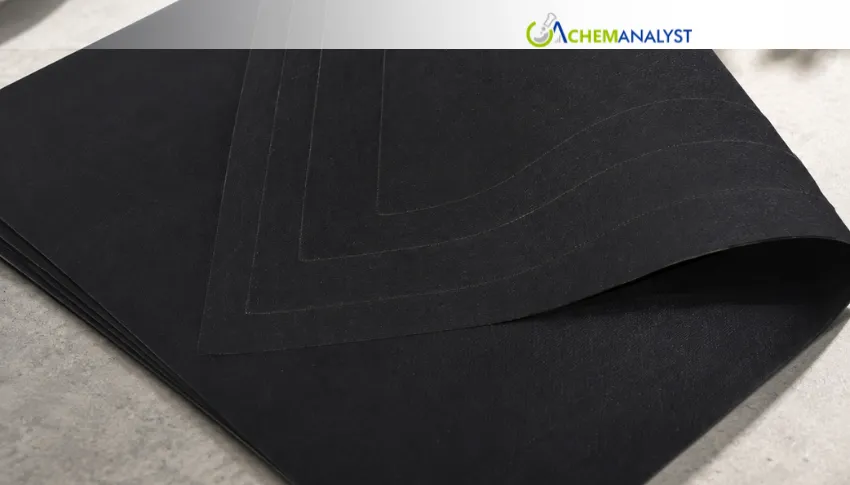
China’s chlorosulphonated polyethylene rubber market strengthened in July, with prices rising 4.3% as supply-side pressures and higher production costs outweighed weak downstream conditions. The chlorosulphonated polyethylene rubber market faced a mixed environment, as flooding disrupted transportation and supply in some areas, tightening spot availability. At the same time, electricity costs increased, adding to manufacturing expenses and encouraging producers to maintain firmer offers. Feedstock movements were also mixed, with liquid chlorine prices increasing while LDPE prices declined. These developments created a supportive cost environment for chlorosulphonated polyethylene rubber despite subdued demand from major downstream sectors.
Demand for chlorosulphonated polyethylene rubber remained under pressure from weak construction and automotive activity. The construction business activity index stood at 47%, indicating contraction and limiting near-term consumption from construction-related applications. Meanwhile, demand from the automotive industry weakened, reducing requirements for chlorosulphonated polyethylene rubber used in automotive components and related applications. Buyers across downstream industries remained cautious, with procurement largely focused on immediate requirements rather than inventory building. This combination of weak construction and automotive demand limited the upside potential for chlorosulphonated polyethylene rubber, although industrial consumption provided some underlying support.
On the supply side, chlorosulphonated polyethylene rubber availability came under pressure as flooding caused disruptions across parts of the supply chain. Transportation interruptions and difficulties in maintaining normal deliveries reduced spot availability and supported firmer market offers. Higher electricity costs further increased operating expenses for producers, while rising liquid chlorine prices added to feedstock-related costs. In contrast, declining LDPE prices offered some cost relief, although this was insufficient to fully offset higher chlorine and power expenses. Consequently, chlorosulphonated polyethylene rubber producers faced elevated production costs while buyers encountered tighter spot availability.
Looking ahead, the chlorosulphonated polyethylene rubber market is expected to remain sensitive to supply conditions and downstream demand recovery. If flood-related disruptions persist, tighter availability could continue supporting chlorosulphonated polyethylene rubber prices in the near term. However, weak construction activity and softer automotive demand may restrict consumption and cap further gains. Feedstock trends will also remain important, as further increases in liquid chlorine and electricity costs could raise production expenses, while lower LDPE prices could provide some relief. Overall, chlorosulphonated polyethylene rubber is likely to maintain a firm-to-stable outlook, with weather-related disruptions, automotive and construction demand, feedstock costs and supply normalization determining the market direction.







Leave a Comment
Comments (0)