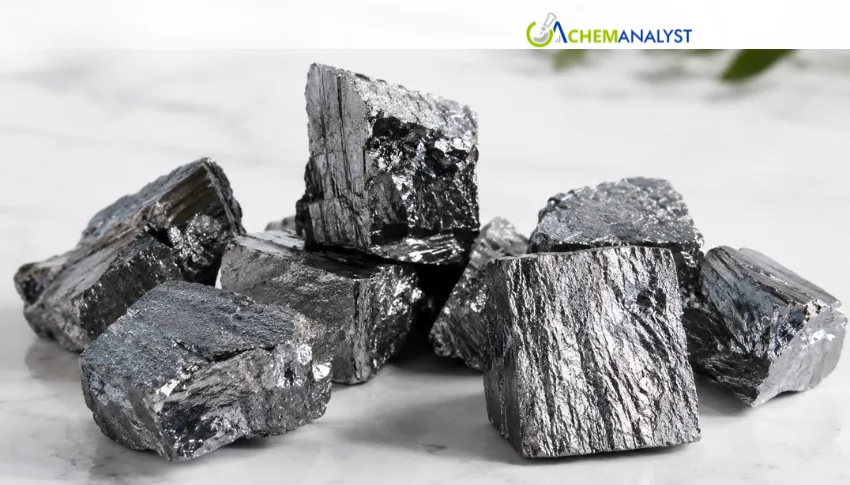
China's yttrium metal 99.9% purity prices increased 3.4% in July 2026, extending the upward pricing trajectory that has characterized the Chinese rare earth market through the first half of the year as structural supply constraints under Beijing's export licensing framework, firm downstream demand from high-technology applications, and the broader recovery in China's rare earth price indices converged to sustain the bullish pricing environment through the month.
On the supply side, China's export licensing framework for rare earth materials continued to shape available volumes in July, with quota allocations and licensing approval timelines governing the pace of yttrium metal shipments to international buyers. Export licensing decisions made in Beijing tend to matter more to the global price than anything happening on the demand side, with Chinese rare earth export controls tightening quickly reducing supply availability, and lean inventories that buyers were holding amplifying the shock. Domestic Chinese mining and separation output from Inner Mongolia and Jiangxi ionic clay deposits maintained steady production, but the channelling of output through controlled quota systems kept spot market availability measured for yttrium metal.
On the demand side, yttrium metal applications across LED phosphors, yttria-stabilised zirconia ceramics, high-temperature alloys, superconductors, and medical imaging components provided consistent procurement support through July. Demand remained resilient for yttrium metal from applications in phosphors, ceramics, and catalysts, and new investments in renewable energy storage further supported buying activity, while downstream manufacturers faced higher compliance costs associated with traceability and sustainability certifications for rare-earth materials. The semiconductor and AI-server sector's continued expansion sustained demand for yttrium metal in phosphor and specialty electronics applications, with Japanese and Korean technology manufacturers — the most price-sensitive and volume-significant end-users of high-purity yttrium metal — maintaining active procurement schedules despite elevated spot pricing.
The structural driver across the rare earth complex remains a second consecutive year of supply deficit against EV and wind turbine demand, though part of the recent order strength reflects precautionary stockpiling rather than confirmed demand growth, with output expected to pull back in the following month. This precautionary buying dynamic contributed to July's 3.4% price gain for yttrium metal and simultaneously sows the seeds of potential near-term demand moderation as stocked inventories reduce urgency for fresh purchases.
Looking ahead, August 2026 is anticipated to see a moderate further price increase in Chinese yttrium metal 99.9% prices, extending the July gain but at a measured rather than accelerated pace. The structural supply constraint from China's export licensing regime is expected to remain intact, providing a consistent floor under price levels. Downstream demand from LED phosphor manufacturing, aerospace alloy production, and advanced ceramics applications is expected to provide continued procurement support, with the renewable energy sector adding incremental demand from solid oxide fuel cell and energy storage applications. China's rare earth processing dominance and export licensing frameworks continue to shape supply availability, while Japan and South Korea represent concentrated demand centres for high-purity yttrium metal in superconductor and medical laser applications. Near-term market participants will continue to monitor China's quota allocation decisions and any policy announcements regarding rare earth export controls as the dominant variable shaping the August yttrium metal pricing environment.







Leave a Comment
Comments (0)