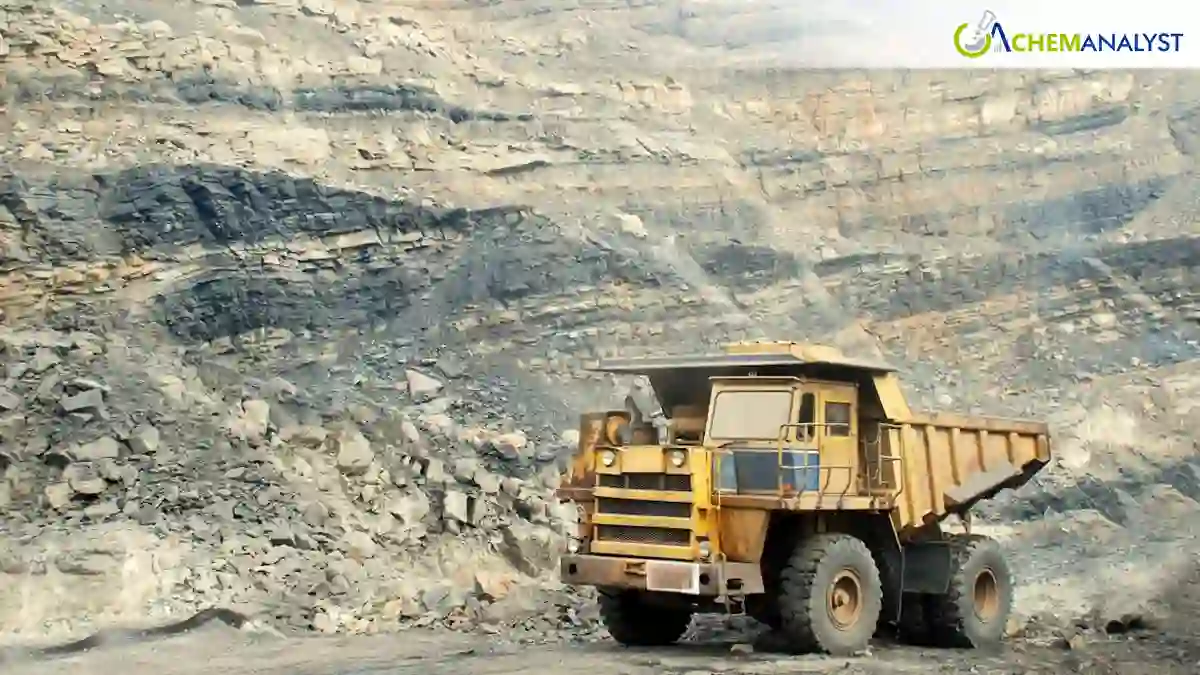
Zambia is vigorously pursuing a significant expansion and diversification of its mining sector, particularly in copper and uranium, under the leadership of President Hakainde Hichilema, who has prioritized mining development since taking office in 2021. This ambitious drive is unfolding amidst an election campaign and aims to position Zambia as a major global player in critical mineral production.
A key event is the government's target to dramatically increase annual copper production from the current approximately 640,000 tonnes to about three million tonnes by the early 2030s. This objective is attracting substantial international investment, exemplified by the multi-billion dollar Mingomba copper project, advanced by KoBold Metals with backing from prominent investors like Bill Gates, Jeff Bezos, and Sam Altman. Furthermore, BHP, the world's largest miner, has reportedly expressed interest in large-scale copper exploration in Zambia. The expansion is supported by substantial investments in infrastructure, including improvements in power generation and railway upgrades.
Beyond copper, Zambia is actively diversifying its mineral portfolio. Uranium exploration is gaining considerable momentum, with Australian-listed company Atomic Eagle acquiring both the Muntanga and Sitwe uranium projects, highlighting Zambia's emerging role in the global uranium supply chain. The state-backed investment firm, ZCCM Investments Holdings (ZCCM-IH), has also launched Kyalo Goldfields Limited, a new gold-focused joint venture where ZCCM-IH holds a controlling 51% stake. This strategic shift aims to reduce the country's historical dependence on copper and mitigate risks associated with price volatility.
The causes behind this expansion are multifaceted. President Hichilema's administration views mining as a strategic driver for economic recovery and industrial growth, actively working to enhance investor confidence and modernize regulatory frameworks. Globally, there is surging demand for critical minerals like copper, essential for electric vehicles, renewable energy infrastructure, and AI technology, and for uranium, crucial for the energy transition. Zambia's favorable geological position within the Central African Copperbelt further underpins its potential.
Economically, the consequences are expected to be profound, including increased government revenues, export earnings, and significant job creation. ZCCM-IH is strategically increasing its equity stakes in various mining ventures, such as raising its share in Lubambe Copper Mines to 30% and Mingomba Mining to 25%, through commercial negotiations rather than forced acquisitions. This approach seeks to secure greater domestic ownership and value retention from its mineral wealth, moving towards a royalty-to-revenue model for more predictable cash flows. Geopolitically, Zambia's mining sector is attracting investment from both Chinese and North American sources, with its copper being a key component of strategic initiatives like the Lobito Corridor, which aims to transport minerals to the Atlantic coast. The formalization of artisanal and small-scale mining operations is also a key industry-specific impact, aimed at ensuring secure and regulated extraction while increasing in-country value retention.







 About ChemAnalyst
Leave a Comment
Comments (0)