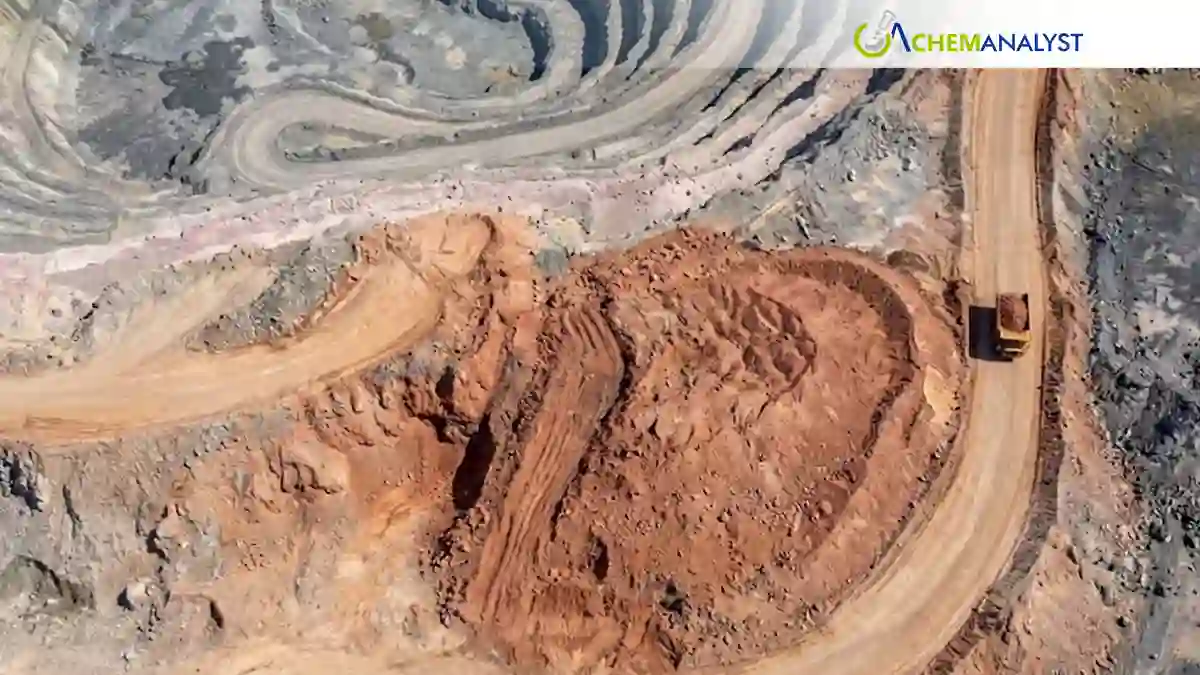
Zimbabwe has undertaken a significant strategic shift in its mining policy by implementing an immediate ban on the export of unprocessed lithium concentrate, a move aimed at transforming its role in the global lithium supply chain. This decision, which accelerated a previously planned 2027 deadline, reflects a broader ambition to move beyond raw material extraction and capture greater economic value domestically.
The primary cause for this policy change is Zimbabwe's desire to escape the resource dependency that has historically limited the economic benefits for mineral-rich African nations. Despite being one of Africa's leading lithium producers and supplying a substantial portion of China's lithium ore imports, Zimbabwe recognized that most downstream profits from its high-grade spodumene concentrate accrued abroad. For instance, in May 2026, processed lithium sulphate fetched significantly more per tonne than raw spodumene concentrate, highlighting the lost value. By prohibiting raw exports, the government intends to drive industrialization, create jobs, and foster infrastructure development within the country. Additionally, the ban seeks to curb rampant smuggling and under-invoicing of mineral exports, protecting national interests and ensuring greater transparency. The policy also aligns with a global trend where resource-rich countries, such as Australia and Canada, are increasingly imposing local-processing requirements to retain more economic benefits.
The consequences of Zimbabwe's lithium gamble are multifaceted, with significant economic, geopolitical, and industry-specific impacts. Economically, the ban has spurred substantial foreign investment in local processing facilities, predominantly from Chinese firms, with over US$1 billion poured into developing mines and building refineries. A landmark achievement was the export of Africa's first lithium sulphate from Huayou Cobalt's Arcadia plant in Zimbabwe in April 2026, demonstrating the technical viability of local processing. This shift has already yielded positive results, with lithium sales value increasing by 106% year-over-year in the first quarter of 2026. However, challenges remain, including short-term fiscal pressures, infrastructure deficits, and global market uncertainties.
Geopolitically, Zimbabwe's bold move has reordered aspects of the Chinese supply chain, as China traditionally relied heavily on Zimbabwean lithium. The policy has granted Zimbabwe increased leverage in its relationship with China and positioned it as a more strategic player in the global energy transition. This assertion of resource sovereignty could also inspire other African nations to adopt similar strategies, potentially redefining resource governance across the continent. The growing China-US rivalry for critical minerals has also brought increased US interest in Zimbabwe, with sanctions against the country being lifted in March 2024.
From an industry perspective, the ban is expected to disrupt the global spodumene supply chain, leading to tighter spot availability and potentially driving up short-term prices. Chinese companies, to maintain access to Zimbabwean lithium, have invested heavily in local processing infrastructure, indicating a strategic adaptation to the new regulatory landscape. This reordering underscores the shift from passive extraction to a more controlled and value-added approach within the mineral supply chain.






Leave a Comment
Comments (0)