Welcome to the comprehensive Aluminium Wire (Copper Cladded) Procurement Guide. This document is designed specifically for procurement professionals, sourcing managers, and technical buyers who need to make informed decisions when purchasing copper-clad aluminium wire for various electrical and industrial applications.
1. Understanding Aluminium Wire (Copper Cladded)
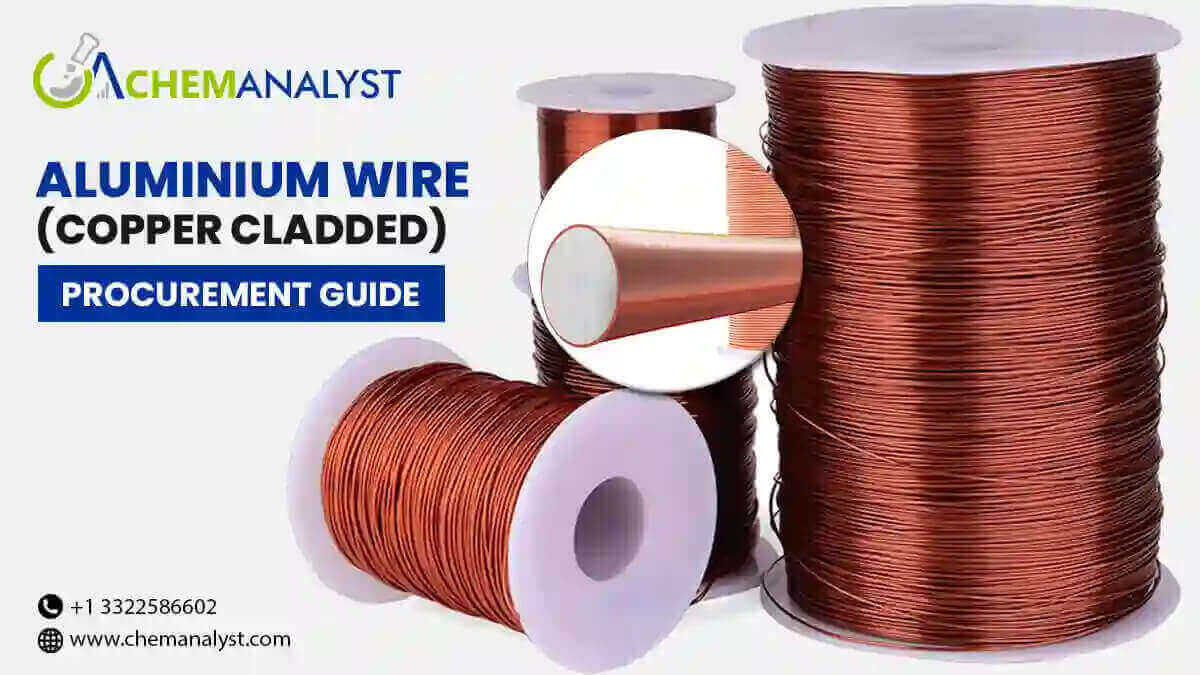
Copper-Clad Aluminium (CCA) wire combines the conductivity benefits of copper with the lightweight and cost advantages of aluminium. The copper cladding provides superior corrosion resistance and connectivity, while the aluminium core reduces weight and material costs. Key characteristics include:
-
Weight Reduction: Approximately 40-50% lighter than solid copper wire of equivalent conductivity
-
Cost Efficiency: 20-30% cost savings compared to pure copper conductors
-
Corrosion Resistance: Copper cladding provides excellent protection against environmental factors
-
Conductivity: Typically 60-65% IACS (International Annealed Copper Standard)
-
Mechanical Strength: Enhanced tensile strength compared to pure aluminium conductors
-
Weldability: Excellent soldering and welding characteristics due to copper surface
2. Key Procurement Considerations
2.1 Specification Selection Criteria
When selecting CCA wire specifications, consider the following factors:
-
Cladding Ratio: Typically 10%, 15%, or 20% copper by volume - higher ratios offer better conductivity
-
Wire Gauge (AWG): Available from 8 AWG to 26 AWG for various current carrying requirements
-
Temperature Rating: Standard ratings include 60°C, 75°C, and 90°C depending on insulation type
-
Conductivity Requirements: Specify minimum IACS percentage based on application needs
-
Mechanical Properties: Tensile strength, elongation, and flexibility requirements
-
Environmental Conditions: Indoor/outdoor use, moisture exposure, UV resistance needs
2.2 Quality Standards and Compliance
Ensure suppliers can provide compliance with relevant standards:
-
ASTM B566 - Standard Specification for Copper-Clad Aluminium Wire
-
ASTM B609 - Standard Specification for Aluminium 1350 Round Wire
-
IEC 62004 - Thermal-resistant aluminium alloy wire for overhead line conductors
-
UL Standards for building wire and cable applications
-
RoHS compliance for electronic applications
-
ISO 9001 quality management certification
Important: CCA wire is not suitable for all applications. Verify compatibility with your specific use case, particularly for high-frequency applications or where NEC/local codes may restrict its use.
2.3 Supplier Evaluation Criteria
When evaluating CCA wire suppliers, assess:
-
Manufacturing Capability: Cladding process control and quality consistency
-
Testing Facilities: Conductivity, tensile strength, and adhesion testing capabilities
-
Certification: Industry certifications and third-party testing approvals
-
Supply Chain: Raw material sourcing and inventory management practices
-
Technical Support: Engineering assistance for application-specific requirements
-
Logistics: Packaging, shipping, and delivery capabilities for wire products
3. Regional Sourcing Strategy
The CCA wire market spans multiple regions with varying cost structures and capabilities. Strategic considerations include:
-
Americas: Established suppliers like Southwire, General Cable, and Nexans offer reliable quality and service
-
Europe: Premium suppliers including Prysmian, NKT, and Nexans provide high-quality products with excellent technical support
-
Asia-Pacific: Competitive pricing from Sumitomo, Furukawa, and LS Cable with growing quality standards
Procurement Tip: Consider total cost of ownership including transportation, duty, and quality risks when comparing regional suppliers. Establish quality agreements with clear specifications and testing requirements.
4. Application-Specific Selection Guide
The comprehensive table below provides detailed information for common CCA wire applications. Use this reference to:
-
Match your application requirements with appropriate wire specifications
-
Identify relevant standards and certifications needed
-
Source qualified suppliers in your preferred regions
-
Verify technical properties meet your performance requirements
|
Application
|
Recommended Specification
|
Key Standards
|
Supplier by Region
|
Basic Properties
|
|
Power Transmission Lines
|
CCA 15% - 12 AWG to 4/0 AWG
|
ASTM B566
IEC 62004
IEEE 738
|
Americas: Southwire, General Cable
Europe: Prysmian, NKT Cables
Asia-Pacific: Sumitomo Electric, LS Cable
|
Conductivity: 63% IACS
Tensile Strength: 180-220 MPa
Resistance: 0.27-1.6 Ω/km
Temp Rating: 75-90°C
|
|
Telecommunications Cables
|
CCA 10% - 18-24 AWG
|
ASTM B566
TIA/EIA-568
ISO/IEC 11801
|
Americas: CommScope, Belden
Europe: Nexans, Draka
Asia-Pacific: Furukawa, Hitachi Cable
|
Conductivity: 61% IACS
Tensile Strength: 150-180 MPa
Diameter: 0.4-1.0 mm
Temp Rating: 60-75°C
|
|
Automotive Wiring Harnesses
|
CCA 15% - 16-20 AWG
|
SAE J1128
ISO 6722
LV 112
|
Americas: Lear Corporation, Aptiv
Europe: Leoni, Nexans Autoelectric
Asia-Pacific: Sumitomo Wiring, Yazaki
|
Conductivity: 63% IACS
Tensile Strength: 170-200 MPa
Flexibility: High
Temp Rating: 105-125°C
|
|
Solar Panel Connections
|
CCA 20% - 12-14 AWG
|
UL 4703
IEC 62930
TÜV 2 PfG 1169
|
Americas: Encore Wire, Southwire
Europe: Lapp Group, Prysmian
Asia-Pacific: Taiyo Cabletec, Far East Cable
|
Conductivity: 65% IACS
Tensile Strength: 200-230 MPa
UV Resistance: Excellent
Temp Rating: 90-120°C
|
|
Electrical Connectors
|
CCA 15% - 14-18 AWG
|
ASTM B566
UL 486
IEC 60947-7-1
|
Americas: TE Connectivity, Molex
Europe: Phoenix Contact, Weidmüller
Asia-Pacific: JST, Hirose Electric
|
Conductivity: 63% IACS
Tensile Strength: 180-210 MPa
Corrosion Resistance: High
Contact Resistance: Low
|
|
Railway Electrification
|
CCA 20% - 4/0-500 MCM
|
EN 50149
IEC 62004
AREMA Manual
|
Americas: General Cable, Nexans
Europe: NKT Cables, Prysmian
Asia-Pacific: LS Cable, Taihan Electric
|
Conductivity: 65% IACS
Tensile Strength: 200-250 MPa
Current Capacity: 400-1200A
Temp Rating: 90°C
|
|
Building Wire & Cable
|
CCA 10% - 12-20 AWG
|
UL 83
NEC Article 310
CSA C22.2
|
Americas: Southwire, Cerro Wire
Europe: Draka, Nexans
Asia-Pacific: Jiangnan Cable, Baosheng
|
Conductivity: 61% IACS
Tensile Strength: 150-180 MPa
Insulation: THHN/THWN
Temp Rating: 75-90°C
|
|
Industrial Equipment
|
CCA 15% - 10-16 AWG
|
UL 1015
CSA C22.2
IEC 60227
|
Americas: Alpha Wire, Belden
Europe: Lapp Group, Igus
Asia-Pacific: Okura Industrial, Furukawa
|
Conductivity: 63% IACS
Tensile Strength: 170-200 MPa
Flexibility: Medium-High
Temp Rating: 80-105°C
|
|
Appliance Wiring
|
CCA 10% - 16-22 AWG
|
UL 1007
UL 1015
CSA C22.2
|
Americas: General Cable, Encore Wire
Europe: Nexans, Draka
Asia-Pacific: Hitachi Cable, Taiyo Cabletec
|
Conductivity: 61% IACS
Tensile Strength: 140-170 MPa
Stranding: Flexible
Temp Rating: 60-80°C
|
|
Grounding Systems
|
CCA 20% - 6-2/0 AWG
|
IEEE 837
UL 467
NEC Article 250
|
Americas: Southwire, General Cable
Europe: Prysmian, NKT
Asia-Pacific: LS Cable, Sumitomo
|
Conductivity: 65% IACS
Tensile Strength: 200-240 MPa
Corrosion Resistance: Excellent
Bare or Insulated Options
|
|
Electronic Components
|
CCA 15% - 18-26 AWG
|
UL 1007
IPC-A-600
RoHS Compliant
|
Americas: Alpha Wire, Belden
Europe: Lapp Group, Draka
Asia-Pacific: Furukawa, Okura Industrial
|
Conductivity: 63% IACS
Tensile Strength: 150-180 MPa
Diameter: 0.3-0.8 mm
High Frequency Performance
|
|
Marine Applications
|
CCA 20% - 10-18 AWG
|
ABYC Standards
UL 1426
IEC 60092
|
Americas: Ancor Marine, Pacer Group
Europe: Draka Shipboard, Nexans
Asia-Pacific: Jiangnan Cable, Baosheng
|
Conductivity: 65% IACS
Tensile Strength: 190-220 MPa
Corrosion Resistance: Superior
Tinned Coating Available
|
|
LED Lighting Systems
|
CCA 10% - 18-22 AWG
|
UL 2089
IEC 62471
Energy Star
|
Americas: Belden, Alpha Wire
Europe: Lapp Group, Nexans
Asia-Pacific: Taiyo Cabletec, Hitachi
|
Conductivity: 61% IACS
Tensile Strength: 140-170 MPa
Low Voltage Applications
Color Options Available
|
|
Data Center Infrastructure
|
CCA 15% - 12-16 AWG
|
TIA-942
UL 2089
IEC 60950
|
Americas: CommScope, Panduit
Europe: Draka, Nexans Cabling
Asia-Pacific: Furukawa, LS Cable
|
Conductivity: 63% IACS
Tensile Strength: 170-200 MPa
Low Smoke Zero Halogen
Plenum Rated Options
|
|
HVAC Control Systems
|
CCA 10% - 16-20 AWG
|
UL 1007
NEMA Standards
CSA C22.2
|
Americas: Honeywell, Johnson Controls
Europe: Siemens, Schneider Electric
Asia-Pacific: Mitsubishi Electric, Daikin
|
Conductivity: 61% IACS
Tensile Strength: 150-180 MPa
Thermostat Wire Grade
Multi-conductor Options
|
5. Cost Optimization Strategies
-
Volume Purchasing: Negotiate better pricing with consolidated annual requirements
-
Standard Specifications: Use industry-standard AWG sizes and cladding ratios to reduce custom manufacturing costs
-
Regional Sourcing: Balance cost savings from Asia-Pacific suppliers against logistics and quality considerations
-
Inventory Management: Optimize carrying costs while maintaining adequate safety stock for critical applications
-
Long-term Contracts: Establish price stability through multi-year agreements with key suppliers
-
Value Engineering: Work with suppliers to optimize wire design for specific application requirements
6. Quality Assurance Checklist
Before finalizing CCA wire procurement, ensure:
-
Wire gauge and cladding ratio meet application requirements
-
Conductivity and resistance specifications are verified through testing
-
Relevant industry standards and certifications are provided
-
Mechanical properties (tensile strength, elongation) are documented
-
Insulation compatibility and temperature ratings are confirmed
-
Corrosion resistance properties meet environmental conditions
-
Supplier quality management system is ISO 9001 certified
-
Incoming inspection procedures are established
7. Common Procurement Pitfalls to Avoid
-
Code Compliance Issues: Verify local electrical codes accept CCA wire for your specific application
-
Inadequate Cladding Ratio: Low copper content can compromise performance in demanding applications
-
Poor Adhesion Quality: Ensure copper-aluminum bond integrity through proper supplier qualification
-
Temperature Limitations: Consider thermal expansion differences between copper and aluminum
-
Connection Compatibility: Verify terminal and connector compatibility with CCA conductors
-
Long-term Reliability: Evaluate galvanic corrosion potential in mixed-metal environments
8. Next Steps for Procurement
-
Define Requirements: Specify AWG size, cladding ratio, and performance criteria
-
Verify Standards: Ensure compliance with applicable electrical and safety standards
-
Request Samples: Obtain wire samples for testing and compatibility verification
-
Evaluate Suppliers: Assess manufacturing capabilities, certifications, and quality systems
-
Conduct Testing: Perform conductivity, tensile, and adhesion tests on sample materials
-
Negotiate Terms: Discuss pricing, delivery, minimum orders, and quality agreements
-
Establish QC Procedures: Define inspection criteria and acceptance standards
-
Monitor Performance: Track wire performance and supplier reliability over time
9. Conclusion
Benchmarking aluminium wire (copper cladded) prices is not just a cost-control measure, but a critical component of strategic procurement process. It protects margins, facilitates agile market responses, and fosters stronger supplier negotiations—especially when combined with detailed technical assessments, compliance verification, and reliable market intelligence like that provided by ChemAnalyst.
By anchoring sourcing strategies in robust benchmarking practices, the industry can enhance supply chain resilience, maintain cost leadership, and deliver high-quality products and components to market. This comprehensive guide serves as your roadmap to making informed, data-driven procurement decisions that balance cost efficiency with performance requirements.
Remember that successful CCA wire procurement goes beyond finding the lowest price—it requires understanding application requirements, verifying compliance standards, building strong supplier relationships, and continuously monitoring market dynamics. Use the tools and frameworks provided in this guide to establish a world-class procurement process that delivers lasting value to your organization.
Disclaimer: The properties and specifications listed are typical values and may vary based on specific manufacturing processes, alloy compositions, and processing conditions. Always consult with suppliers for detailed technical data sheets and specific application requirements. Regional availability may vary, and alternative suppliers should be considered based on local market conditions and supply chain requirements. This guide is for informational purposes only and does not constitute professional procurement advice.





 About ChemAnalyst