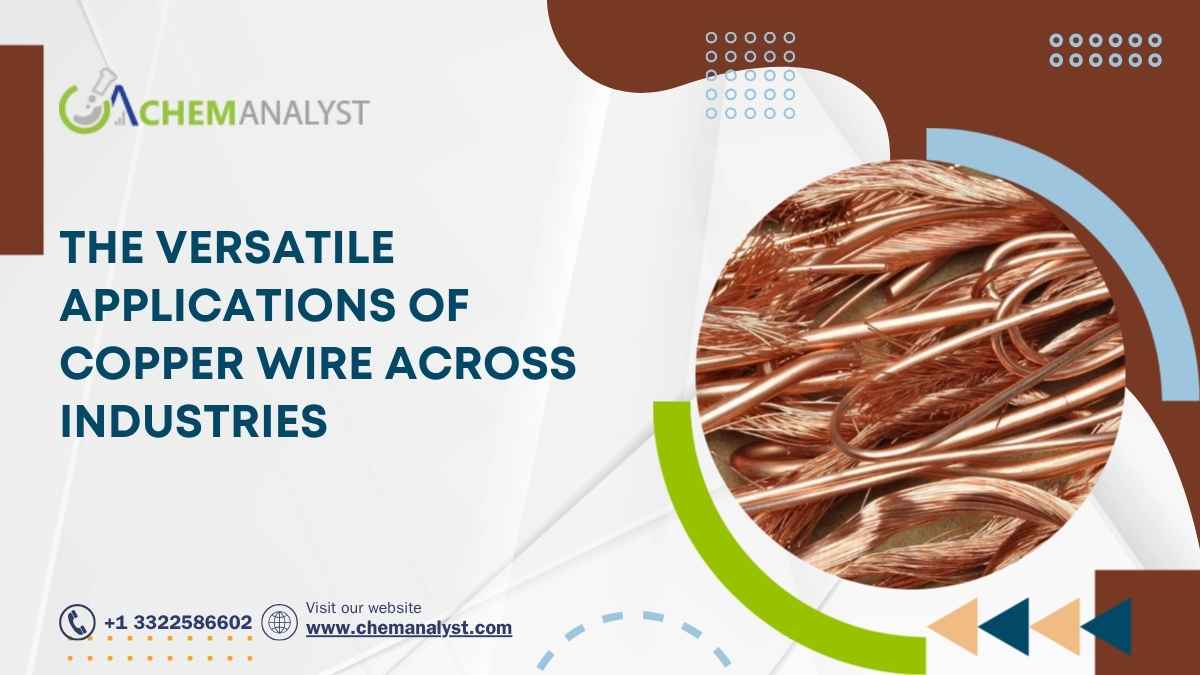
Copper wire, which is seen as the most reliable and efficient conductor in the world, is an important part of electrical and electronic systems around the world. Sudden, strong, and durable copper wire supplies current in homes and cars and supports smart technologies and communications networks, which offer optimal utility. Additionally, copper wire is part of most current industrial applications.
I. Introduction
Copper wire is vital to modern manufacturing and infrastructure due to its excellent electrical conductivity, ductility, and thermal resistance. Copper cable is produced by drawing copper rods into thin, flexible wires. Copper has been the backbone of electrical and electronic systems across the globe. Still, copper wire manufactured for applications needs to be more refined than just being used in ordinary networks. It has established itself as a dependable and high-performance material applied across nearly every industry including energy distribution in homes, in cars, smart applications, and even advanced communication networks. In this blog, we explore the broad range of potential copper wire applications, and why it has become an indispensable material in today's industrial ecosystems.
II. Industrial Applications by Sector
• Electrical and Electronics Industry
The electrical industry represents the biggest market for copper wire. Copper's unparalleled conductivity and heat resistance makes it ideally suitable for power generation, transmission and distribution systems. Applications include transformers, circuit breakers, switchboards, and underground and overhead cabling. In electronics, copper provides miniaturization capabilities for printed circuit boards (PCBs), the insides of smartphones, data cables, and motor windings, where signal integrity and heat dissipation is paramount.

• Construction & Infrastructure
Copper wire is an essential consideration in residential, commercial, and industrial construction. It is used for new construction, too, for wiring building systems, grounding systems, services (grounding conductors), lighting systems, and plumbing, etc. Copper is the preferred material for construction wiring because it is resistant to fire, durable, and resistant to corrosion. Additionally, copper has been widely used in various indoor and outdoor activities. Smart building technology and renewable energy integration innovative opportunities, including wiring for solar panels, can amplify the value of copper for sustainable construction.
• Transportation Industry
Copper wire is a key component in electric wire harnesses, battery connections, sensors, lighting, and infotainment applications in the automotive and transportation sectors. The rise of electric vehicles (EVs) is increasing the demand for copper wire since EVs need up to four times more copper than traditional vehicles. In addition, copper wiring is used in aerospace and marine industries for avionics, navigation systems, and onboard power systems due to its reliability and weight efficiency.

III. Demand Trends and End-User Markets
The market for copper wire is growing globally based on the trends in infrastructure, electrification, and digitization. The largest portion of demand will likely be driven by end-users in the power generation and transmission space, aided by urbanization and energy transition. The construction space will continue to be a key end-user for copper wire, particularly with growing trends in green buildings and smart home products. In addition, the electronics space continues to utilize high-performance copper wire to aid connections due to increasing unit sales of smartphones, appliances, and IoT products. Emerging markets for copper wire products are picking up pace to become other major contributors to global demand, including electric vehicle charging infrastructure, renewable energy installations, and 5G communication infrastructure. All of these factors create a demand for adequacy of copper wire.
IV. Product Grades and Specifications
Copper wire is produced in several grades and specifications to meet numerous applications. The most common grade is ETP, Electrolytic Tough Pitch Copper, characterized typically as a copper wire with high conductivity and found in electrical wire.
Significant grades are:
• C11000 (ETP Copper): 99.9% pure with good resistance and electrical properties, found in most electrical applications.
• C12000 (Phosphor Deoxidized Copper): Used in soldering and welding applications.
• C10200 (Oxygen-Free Copper): High purity material used in certain electronic applications and specifically high frequency applications.
Wire is available in a range of constructions including solid, stranded, tinned, and insulated. The engineer will select the copper wire according to diameter, ampacity, insulation specifications, or other environmental considerations to create the best design for their needs.
V. Alternatives and Impediments
Copper wire has many advantages; however, there is some competition with other materials. Aluminum wire is frequently used for power transmission in the place of copper wire, mostly due to cost and weight. Ironically, aluminum is not a great choice for high-performance applications or applications with space constraints because of its lower conductivity and more frequent maintenance. Fiber optic cables are a similar and widely used option for data transmissions over long distances (telecommunications), although do not have electric current transmission capabilities. Despite the competition from other available options, we would argue that nothing compares to copper when considering electrical efficiency, installation and maintenance convenience, and lasting durability. Ultimately, copper will always maintain its dominance in critical and heavy-load application use within power grids, EVs and battery packs, and for the components of electronics assembly.
VI. Advances in Applications
Technological advancements continue to enhance the application of copper wire. Recent advancements include:
• Nano-coated copper wires for enhanced conductivity and corrosion resistance in challenging environments.
• Copper alloys for use in electric vehicles and aerospace applications with enhanced attributes for high-temperature performance.
• Flexible flat copper conductors (FFC) in small and flexible electronic devices.
An illustrative example is Tesla’s focus on reducing mass in vehicles, utilizing engineered harnesses and wire to maximize conductivity for increased range and efficiency. In green energy applications, organizations are integrating copper wire as an integral component in photovoltaic systems and energy storage systems with reliable conductivity and safe performance while under load. The novel combination of copper with artificial intelligence in smart grids, and very small medical devices, recognize copper’s flexibility and value in new engineering applications.
VII. Conclusion
Copper wire continues to be a key enabler of technology and industry. Its conductivity, strength, and versatility mean it can be relied on in many critical applications, from the energy that soothes our homes and communities, to the new mobility and digital applications of the next generation. As industry sectors make strides towards electrification, sustainability and digitization, the discussion around copper wire's significance will continue to grow. Continuous innovation in materials and manufacturing will bring ongoing performance improvements, sustainability and deployment in new technologies, perpetuating copper wire's natural utility as an important building block in a more connected, smarter world.