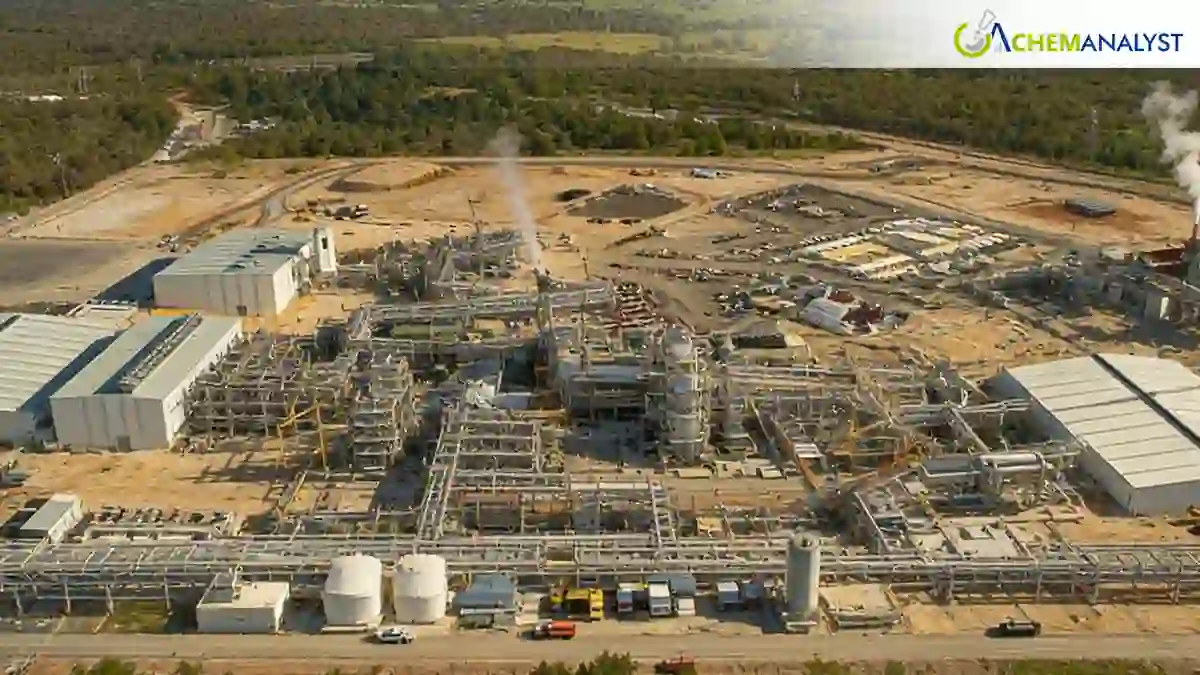
Albemarle, a leading global lithium producer, recently announced an 820 million charge related to the closure of its Kemerton lithium hydroxide refinery in Western Australia, the largest of its kind in the country. The company's Australian unit also anticipates an additional 375 million in charges over the next two years, with 150 million in 2026 and 225 million in 2027. This decision led to a 5.2% decline in Albemarle's stock.
The closure stems from years of financial losses at the Kemerton plant, primarily driven by significant price volatility in the lithium market and conversion costs exceeding market prices. Albemarle cited rising operational costs, structural challenges, and intense competitive pressures in hard-rock lithium processing as key factors. Lithium prices had crashed since 2022 due to an oversupply, particularly from China, and high energy costs, which made Western hard-rock lithium conversion operations less profitable despite recent price improvements. Other contributing factors included distorted minerals markets, elevated energy prices, and delays in government tax credits intended to support critical minerals miners. The company had previously taken steps in 2024 to place a second production line (Train 2) into care and maintenance and halted plans for further expansion at the site.
The consequences of this closure are multifaceted. Economically, Albemarle's Australian subsidiary reported a net loss of $854 million, largely attributable to the Kemerton impairment. However, the company expects the decision to positively impact its adjusted EBITDA starting in the second quarter of 2026, without affecting its projected 2026 lithium hydroxide sales volumes, which will be met through other production facilities.
From an industry perspective, the shutdown underscores the significant challenges in establishing and maintaining competitive lithium processing capabilities outside of China, which currently dominates global lithium refining and battery supply chains. While the closure is a setback for Australia's ambitions in downstream lithium processing, the Kemerton site retains valuable assets such as established infrastructure, skilled labor, and proximity to world-class hard-rock lithium deposits, potentially offering opportunities for future domestic players.
Geopolitically, the move highlights the ongoing struggle for Western nations to build robust and profitable critical mineral supply chains, reinforcing China's strong position in the sector. Socially, the closure is expected to result in the loss of over 250 jobs, impacting dozens of contractors and posing significant workforce transition challenges for the South West region of Western Australia. Australian Federal Resources Minister Madeline King expressed disappointment, calling it "a blow for workers" and local communities.







Leave a Comment
Comments (0)