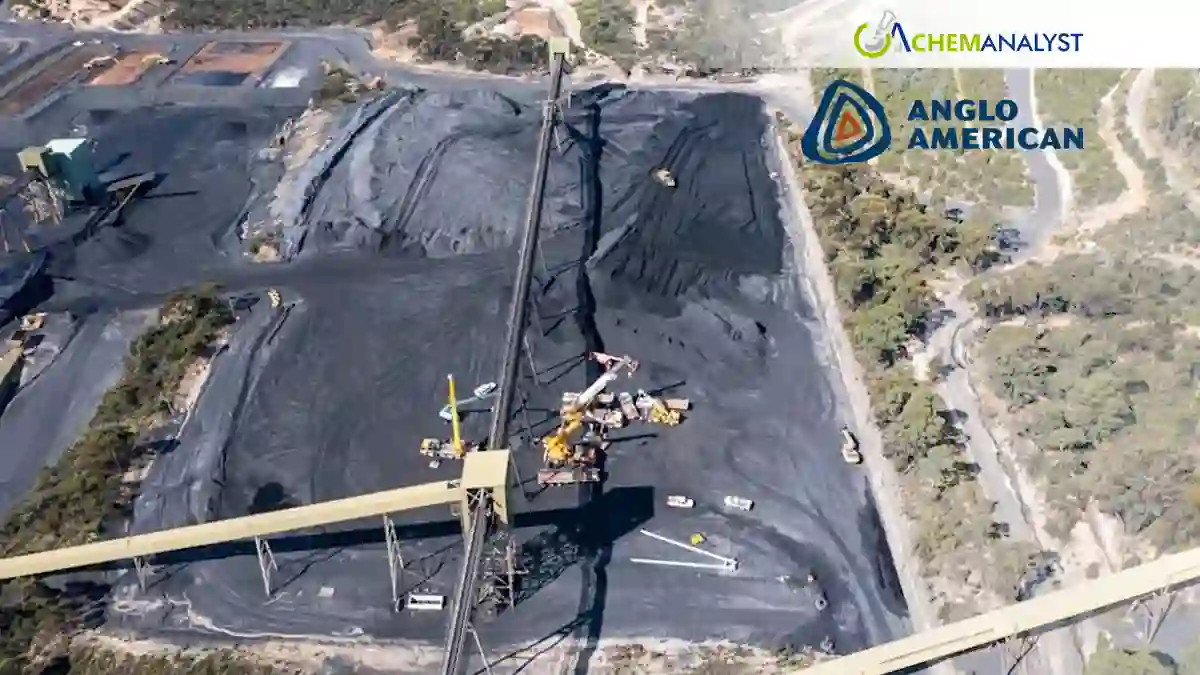
Anglo American is systematically divesting its coal assets, a strategic move reshaping its portfolio and influencing the broader mining industry. This multi-year repositioning aligns with a global shift towards a low-carbon economy and investor pressure for sustainable practices.
Key events in this divestment include the 2021 spin-off of Anglo American's South African thermal coal operations into Thungela Resources, marking an early step away from high-carbon energy sources. More recently, the company aimed to exit its Australian steelmaking coal business. An initial agreement in November 2024 to sell these assets for $3.8 billion to Peabody Energy collapsed in August 2025. This setback was primarily due to a fire at Anglo's Moranbah North mine, which Peabody cited as a "Material Adverse Change" (MAC), leading to the termination of the deal. Anglo American initiated arbitration proceedings, disputing Peabody's interpretation of the MAC clause.
Undeterred, Anglo American secured a new agreement in May 2026 to sell its Australian steelmaking coal business to privately held Dhilmar Limited for up to 3.875 billion. This includes an upfront payment of 2.3 billion and a price-linked earnout of up to 1.575 billion. Combined with the prior sale of its interest in the Jellinbah mine for approximately 1 billion, the total cash proceeds from its withdrawal from steelmaking coal could reach $4.9 billion. The Dhilmar deal is expected to conclude by the first quarter of 2027.
The primary causes for Anglo American's coal exit are rooted in a strategic realignment to focus on commodities vital for the energy transition, such as copper for electrification, iron ore for construction, and crop nutrients for food security. This strategy was further solidified following a successful defense against a takeover bid from BHP Group and in anticipation of a planned merger with Teck Resources, which will significantly increase its copper exposure. The company also faces increasing pressure from investors, banks, and environmental organizations to reduce its carbon footprint and transition away from fossil fuels.
The consequences and impacts of this divestment are multifaceted. Economically, the proceeds will be used to reduce net debt, strengthening Anglo American's financial position. However, the collapse of the Peabody deal highlighted significant operational risks inherent in underground coal mining, particularly methane-related fires, which can lead to substantial production losses, rehabilitation costs, and regulatory scrutiny. For the broader industry, Anglo American's exit underscores a trend where diversified miners shed coal assets, while specialized firms and private capital consolidate these operations. This could lead to increased operational efficiencies and potentially higher metallurgical coal prices due to reduced competition.
Geopolitically, the demand for premium Australian hard coking coal remains robust, driven by Asian steel manufacturers seeking diversified and secure supply chains, especially those offering geographic diversification away from geopolitical risk zones. Industry-specific impacts include a broader shift towards critical minerals for the green economy, with other major players like BHP and Rio Tinto also re-evaluating or exiting coal. The ongoing focus on methane risks in coal mining and potential labor shortages also underscore the evolving challenges within the sector. Anglo American's moves are setting valuation benchmarks for future metallurgical coal asset sales, demonstrating the continued strategic value of these assets despite broader energy transition trends.






Leave a Comment
Comments (0)