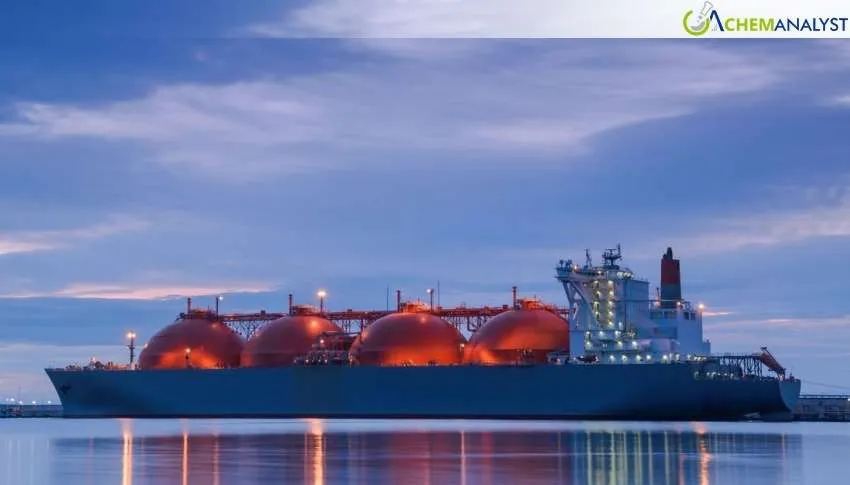
The Australian government has announced a significant energy policy shift, compelling major gas exporters on the east coast to reserve 20% of their production for domestic use. This new reservation scheme, set to commence on July 1, 2027, aims to alleviate domestic supply shortages and mitigate soaring energy prices for households and businesses.
The policy was enacted due to several factors, primarily the exposure of Australia's east coast gas market to volatile international prices since liquefied natural gas (LNG) exports began a decade ago. This linkage led to a tripling of domestic prices and left Australian consumers vulnerable to global shocks, such as the war in Ukraine and the recent Middle East conflict. The government also faced forecasts of potential gas supply shortfalls in the east coast market. Resources Minister Madeleine King stated that the measure would ensure Australia's national interests are prioritized and the gas market would no longer be "hostage to international markets."
Under the new model, three major Queensland-based LNG exporters—Origin Energy, Shell, and Santos—will be required to prove to the federal resources minister that they have met their 20% domestic supply obligations before receiving permits to sell to the overseas spot market. This mandate applies to future contracts and the spot market, leaving existing contracts unaffected. The scheme replaces previous temporary interventions, including the "gas trigger," and is intended to create a "modest oversupply" in the domestic market, thereby exerting downward pressure on prices and disconnecting Australian gas from international price spikes.
The policy's announcement has elicited varied reactions. Gas-dependent manufacturers, represented by Manufacturing Australia, lauded it as the "most significant structural reform" in a generation, anticipating it will underpin manufacturing investment, energy transition, and long-term energy security. Conversely, the gas industry has largely condemned it as a "heavy-handed intervention" that could undermine Australia's reputation as a reliable trading partner.
From an economic perspective, the government expects the policy to provide certainty for industry, households, and gas-fired power plants. Geopolitically, while the government has consulted with trading partners to reassure them of Australia's continued reliability as an energy supplier, concerns remain within the industry about potential impacts on international relationships, especially given Australia's role as a major LNG supplier to Asia, with Japan sourcing 40% of its LNG from the country. Industry-specific impacts include a fundamental shift in the bargaining balance, creating a "buyers' market" for domestic gas. However, green groups have criticized the policy as a "distraction" from calls for a higher gas export tax, an idea the government has not yet endorsed but may review in the future.







Leave a Comment
Comments (0)