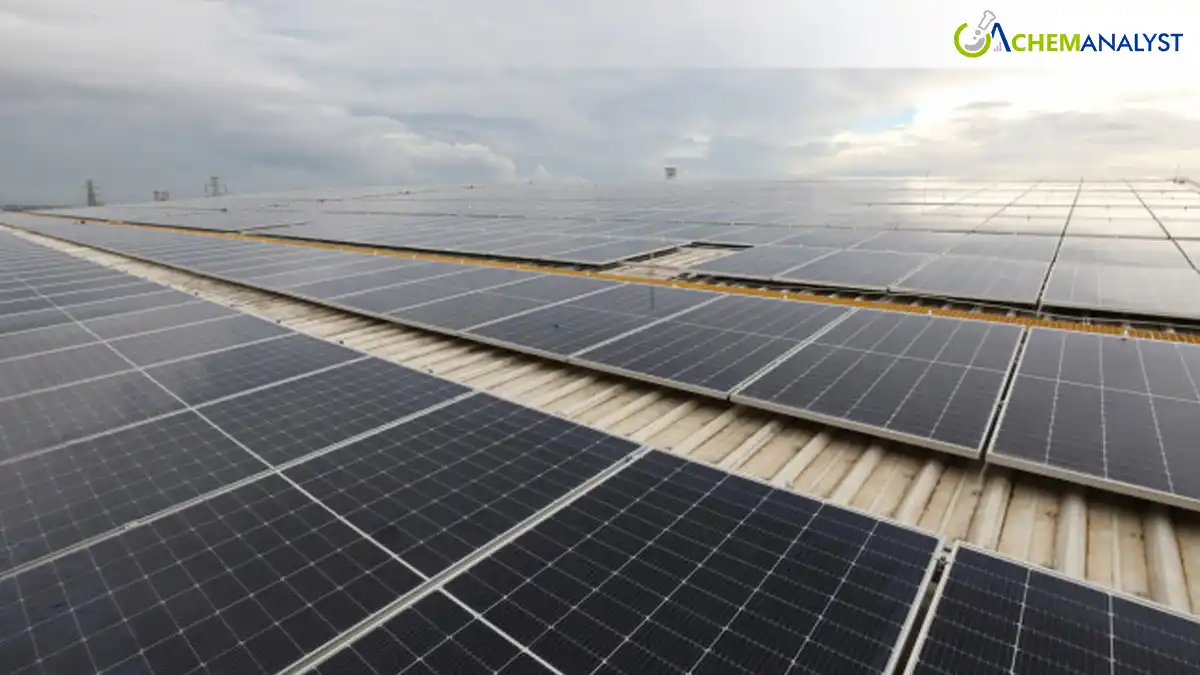
Small entrepreneurs in Bangladesh are increasingly adopting rooftop solar and other green technologies, a shift primarily driven by international buyer pressure for sustainable production and the prospect of long-term electricity cost savings. Historically, renewable energy investment was largely confined to major industrial groups, but a confluence of factors is now pushing smaller export-oriented firms towards solar energy despite significant initial hurdles.
A key driver for this green transition is the growing demand from export destinations, particularly European Union countries, which account for a substantial portion of Bangladesh's exports. Europe has introduced stringent regulations for environmentally sustainable production in supply chains, slated for full implementation by 2030. To retain their export markets, Bangladeshi factories, regardless of size, are compelled to align with these green production requirements. Fazlee Shamim Ehsan, managing director of Fatullah Apparels, an export-oriented factory, highlighted that transitioning to green production is essential to meet these international standards.
Beyond compliance, the economic incentive of lower electricity costs is a significant motivator. While installing solar power requires substantial upfront investment, the long-term operational costs are considerably lower compared to conventional fossil fuel-based power generation. For instance, Fatullah Apparels invested Tk56 lakh four years ago and is on track to recover its investment two years ahead of schedule, with solar power currently meeting 25% of its electricity demand and plans to expand further. Similarly, Shantir Nir Sweaters Limited saw its monthly electricity bill fall drastically after installing solar panels. Utility-scale solar power has become significantly more cost-effective than fossil fuel-based generation, offering substantial savings and protection against volatile global energy markets.
Despite these compelling drivers, small entrepreneurs face considerable challenges. High upfront costs, limited access to bank financing, and steep import duties on solar equipment are major impediments. Green financing has predominantly gone to large companies, with small entrepreneurs struggling to secure loans due to perceived high risk and collateral challenges. Furthermore, tariffs on some solar components can reach up to 77%, inflating project costs by 30% to 50% in Bangladesh compared to other regions like India.
Economically, the adoption of solar by smaller firms signifies a move towards greater energy independence and resilience against global energy disruptions. Geopolitically, the pressure from European buyers underscores the increasing interconnectedness of global trade with environmental sustainability, forcing developing nations to adapt their industrial practices. Industry-specific impacts are particularly evident in the ready-made garment and textile sectors, where a recent study found that over a thousand factories have already installed solar panels.
To accelerate this transition, entrepreneurs and researchers advocate for easier access to financing, reduced import duties on solar equipment, and simplified import procedures. The National Board of Revenue Chairman has reportedly pledged to address the latter. Addressing these policy and financial barriers is crucial for Bangladesh to fully harness its solar potential, not only to meet export demands and reduce operational costs but also to potentially become a net exporter of clean energy in the future. Currently, industries are generating nearly 500MW through solar and other renewable sources, with another 500MW projected to come online within the next year, indicating a growing momentum in the sector.







 About ChemAnalyst
Leave a Comment
Comments (0)