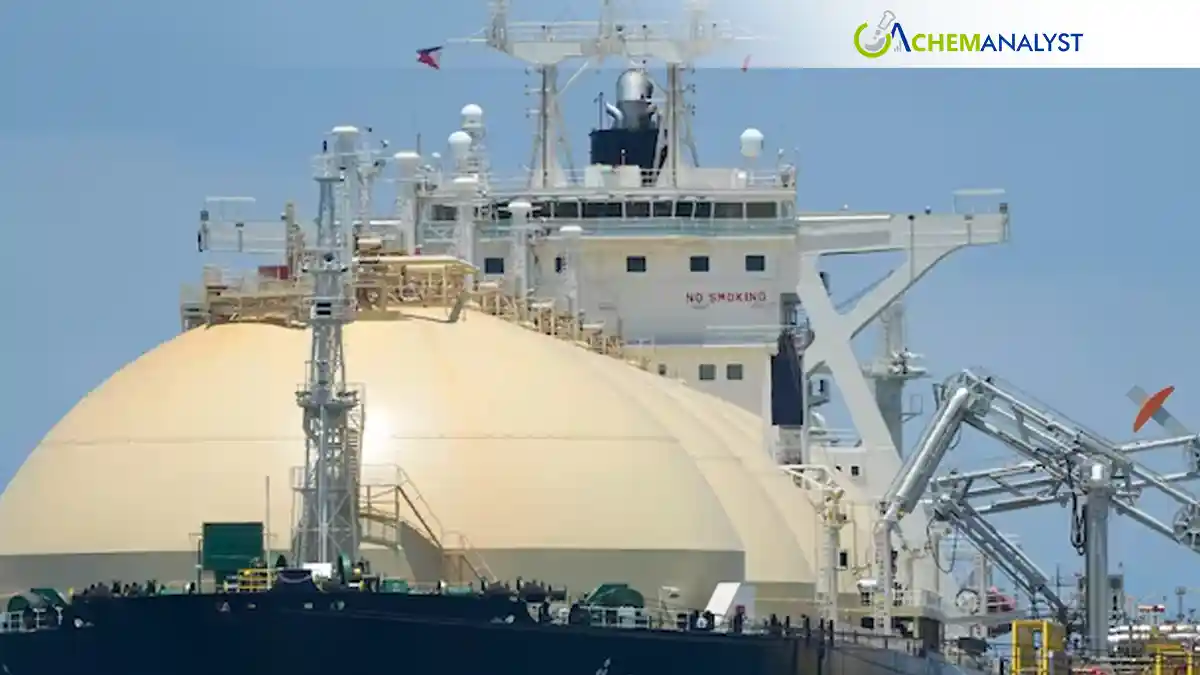
Canada has finalized its first large-scale liquefied natural gas (LNG) export agreement with Europe, marking a significant shift in global energy trade flows. The landmark deal involves British Columbia's proposed Ksi Lisims facility and Germany's SEFE, a company nationalized by Germany to diversify its energy supply. Natural Resources Minister Tim Hodgson was slated to announce the agreement, which will see Canada export one million metric tonnes of LNG per year to Germany.
The deal's genesis lies in Europe's urgent need for energy security, particularly following Russia's exit from the European energy market during the continent's energy crisis and the subsequent increase in natural gas prices, further exacerbated by the US-Israel war on Iran. Germany's SEFE has a specific mandate to secure diverse energy sources, making Canadian LNG an attractive option. For Canada, this agreement is crucial for the Ksi Lisims project, moving it closer to a final investment decision and solidifying long-term commitments for its output. Shell and TotalEnergies have already committed to 20-year purchase agreements with the facility, underscoring its commercial viability.
The economic impacts of this deal are substantial. The Ksi Lisims project is a proposed $10-billion floating facility located approximately 80 kilometres north of Prince Rupert in Nisga'a Nation territory, boasting an export capacity of 12 million metric tonnes per year. It is being developed through a partnership between the Nisga'a Nation, Rockies LNG, and Houston-based Western LNG. Both the B.C. and federal governments have designated it a priority project, with Prime Minister Mark Carney flagging it for fast-track permitting. The project is anticipated to be a major private sector investment, potentially the second largest in Canadian history, promising job creation and increased tax revenues for Canada. The deal also includes plans for a 900-kilometre Prince Rupert Gas Transmission pipeline to supply the facility.
Geopolitically, the agreement strengthens energy ties between Canada and Germany, positioning Canada as a more significant and reliable global energy supplier for Europe. This diversification of supply is vital for European energy independence and stability. However, the project is not without its challenges. It faces unresolved legal and environmental hurdles, drawing opposition from some First Nations and environmental groups who argue it lacks full consent and is not an environmental success story. Furthermore, Conservative Leader Pierre Poilievre has voiced political opposition, advocating for an East Coast pipeline and export strategy instead.








 About ChemAnalyst
Leave a Comment
Comments (0)