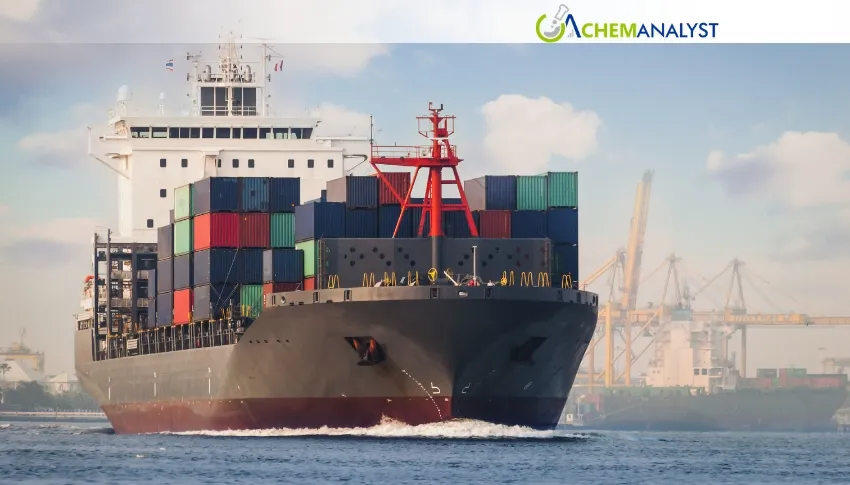
Weekly Ocean Freight Update – July 3 to July 10, 2026
The Global container shipping market remained under pressure this week as renewed geopolitical tension in the Middle East, uncertainty surrounding US trade policy, and persistent congestion at major Asian ports continued to disrupt supply chains and support elevated freight rates across key trade lanes.
Hormuz Ceasefire Ends and Sanctions Return
However, all expectations of an easier shipping environment and mass use of the Suez Canal are now off the table. Specifically, on the morning of July 8, the U.S. administration announced the end of the ceasefire with Iran due to several military operations carried out. Simultaneously, the U.S. administration withdrew the waiver allowing Iran to export its oil. This immediate move back into maximum pressure guarantees that the Strait of Hormuz will continue to be dangerous and forces ships to stick with the detour around the Cape of Good Hope.
Tariff Threats Drive Rocketing Spot Rates & Surcharges
In North America, impending trade policy shifts are driving market panic. The U.S. government held hearings this week regarding sweeping new tariffs targeting 60 countries over forced labour concerns. Terrified of these impending duties, importers are aggressively front-loading cargo.
Ocean carriers are capitalizing on this demand, riding rocketing rate hikes across major trade lanes. Massive spot rate spikes have hit both the Asia-Europe and Trans-Pacific corridors as operators test the market:
• Asia–Europe Corridor: Ocean carriers are aggressively riding a massive wave of rate hikes. Spot rates have rocketed to $6,000–$7,000 per 40-foot container (FEU) to North Europe, while rates to the Mediterranean have climbed even higher, hovering between $7,500 and $8,500 per FEU.
• Trans-Pacific Corridor: Rates have experienced a similar surge, forcing shippers to pay steep premiums to secure equipment. However, industry analysis suggests this current spike might be the "last hurrah" for trans-pacific carriers; as front-loading demand exhausts itself, the early peak season may have finally hit its ceiling.
• Surcharges & Fees: To maximize profitability in a tight market, carriers are aggressively piling on Peak Season Surcharges (PSS) ranging from $600 to $1,000 per FEU, alongside hefty Freight All Kinds (FAK) rate adjustments taking full effect this week.
Asian Port Congestion and Oil Market Reversals
While rates peak, operational efficiency is plummeting. Port congestion across major Asian hubs has significantly worsened this week. A combination of severe bad weather and chronic vessel bunching—caused by off-schedule arrivals from the prolonged African detours—is creating massive backlogs and equipment shortages at key transshipment terminals.
In a surprising macroeconomic twist, global oil markets experienced a stunning reversal this week, rekindling fears of a global supply glut. While this has caused crude prices to fluctuate, direct relief for shippers regarding Very Low Sulphur Fuel Oil (VLSFO) bunker prices remains delayed, keeping carrier fuel surcharges at elevated baselines.
Short-Term Future Outlook
Container shipping conditions are anticipated to remain firm through the remainder of July 2026. Continued geopolitical uncertainty in the Middle East, elevated war- risk premiums, Asian port congestion and sustained front loading of cargo ahead of potential U.S trade measures are anticipated to keep freight rates supported in the near term. While market participants expect conditions to gradually improve later in the third quarter, shippers should continue planning bookings well in advance and prepare for longer transits times and elevated shipping across major global trade lanes.








 About ChemAnalyst
Leave a Comment
Comments (0)