Welcome To ChemAnalyst
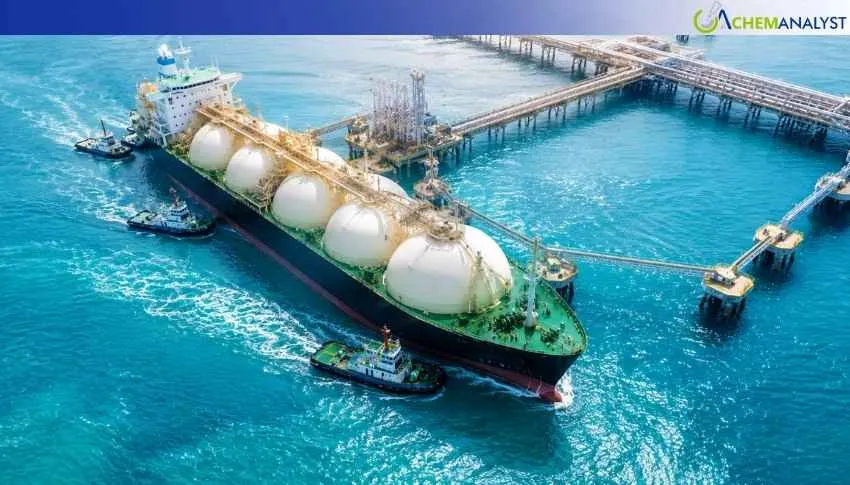
China’s LNG market moved higher through April, driven by supply disruptions and inland pull even as industrial demand remained muted. Early-April tightening from Strait of Hormuz congestion and unplanned Qatar outages, along with momentum buying, underpinned gains, while late-April geopolitical pressure and freight tightness supported firmer delivered costs. Monthly assessments indicate a meaningful month-on-month lift in Ex-Shanghai valuations, signaling firmness. Ongoing pipeline expansion and steady power demand supported inland pull, while manufacturing activity in key coastal bases softened, tempering fresh industrial buying. Storage remains partly filled, and traders continued to reload cargoes, keeping liquidity and appetite for near-term exposure. Supply and upstream dynamics amplified the move, with spot quotes and freight pressure reinforcing higher import parity and supplier offers. The uptrend persisted into late April and into early May, suggesting momentum rather than a retreat. View is for range-bound to firm pricing, with inventories around mid-capacity likely to cap aggressive buying and buyers facing elevated delivered costs in the short-term.
China’s LNG market moved noticeably higher through April, driven by supply disruptions and stronger inland pull even as industrial demand remained muted. Early April saw tightening from Strait of Hormuz congestion and unplanned outages in Qatar, momentum buying intensified through mid-April, and late-April geopolitical pressure and freight tightness pushed delivered import parity higher. On a monthly basis, LNG prices were up materially versus March, while pipeline expansion and stable power offtake continued to underpin demand. These dynamics combined to lift LNG market sentiment into the month end and set the stage for further near-term firmness.
Sector dynamics diverged across China’s offtake base. The power sector remained steady, supporting steady offtake and allowing sellers to pass on higher costs, while manufacturing burn in Guangdong and Jiangsu was softer and constrained fresh industrial buying. The NDRC’s pipeline expansion also drew cargoes inland, supporting import parity pull. According to ChemAnalyst...
We use cookies to deliver the best possible experience on our website. To learn more, visit our Privacy Policy. By continuing to use this site or by closing this box, you consent to our use of cookies. More info.



