China has reportedly opened discussions with Iran to secure safe passage for crude oil tankers and vessels carrying liquefied natural gas (LNG) from Qatar through the strategically vital Strait of Hormuz, according to media reports. The diplomatic outreach comes as the ongoing conflict involving the United States and Israel against Tehran intensifies, pushing the region into a period of heightened instability and threatening global energy supply chains.
The war, which entered its sixth day on Thursday, has significantly disrupted maritime activity in the Strait of Hormuz, one of the world’s most crucial shipping corridors. Nearly one-fifth of global oil and liquefied natural gas shipments normally pass through this narrow waterway linking the Persian Gulf with the global market. However, the escalating hostilities have effectively brought commercial traffic through the passage close to a halt, raising alarm among energy-importing nations and financial markets.
China, the world’s second-largest economy and one of the largest consumers of crude oil, is particularly vulnerable to any disruption in the flow of Middle Eastern energy supplies. Media reports indicate that Beijing has expressed concern over Iran’s actions that have effectively paralysed shipping through the Strait. With roughly 45 percent of China’s imported crude oil traveling through this maritime corridor, the country has strong incentives to ensure that tanker traffic resumes safely and consistently.
Diplomatic discussions between Beijing and Tehran are therefore focused on allowing ships carrying Chinese crude oil imports and Qatari LNG cargoes to navigate the strait without interference. China maintains relatively friendly relations with Iran and has often played a balancing role in regional geopolitics, which could help facilitate negotiations aimed at easing shipping restrictions.
Recent ship-tracking data provides a glimpse of tentative movement in the area. According to reports, a tanker named Iron Maiden successfully transited the Strait overnight after reportedly changing its vessel signalling status to indicate “China-owner.” While this isolated transit offers a potential sign of easing tensions, analysts caution that significantly more vessel movements will be required before global energy markets regain confidence in the security of the route.
The conflict has already triggered a sharp reaction in global oil markets. Crude prices have climbed more than 15 percent since the fighting began, reflecting fears of prolonged supply disruptions. Production interruptions have also emerged as Iran targets energy facilities across the Gulf region while also launching attacks on ships moving through the Strait. These developments have amplified concerns among governments and energy companies worldwide about the stability of supply.
The impact of the conflict is not confined to the Gulf region alone. Iranian missile strikes have reportedly reached as far as Cyprus, Azerbaijan, and Turkey, further escalating regional tensions and rattling financial markets. Major economies have begun warning that sustained disruptions to energy shipments could push global inflation higher, particularly if oil and gas prices continue their upward trajectory.
Shipping activity statistics illustrate the severity of the slowdown. Data from vessel-tracking firm Vortexa shows that crude tanker transits through the Strait dropped dramatically to just four vessels on March 1 — the day after hostilities erupted — compared with an average of about 24 vessels per day since the beginning of January.
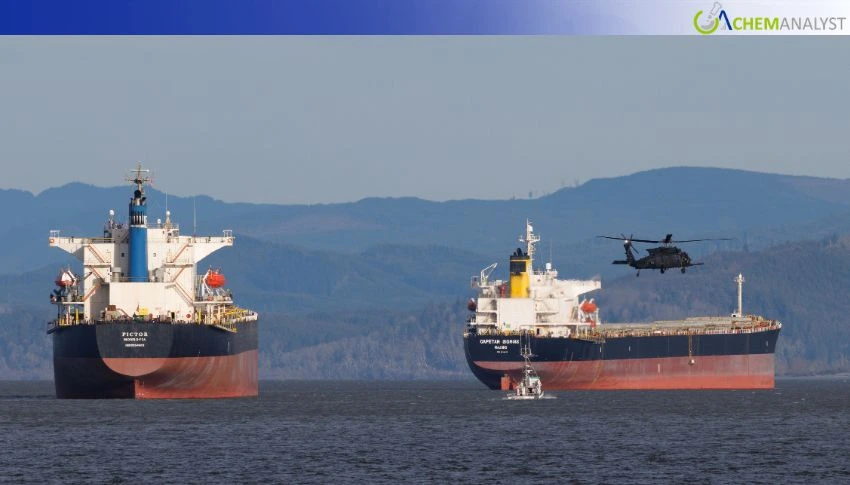
Meanwhile, approximately 300 oil tankers remain stranded inside the Strait area, according to estimates from both Vortexa and Kpler. The vessels are effectively waiting for clarity on whether it will be safe to proceed through the chokepoint.
Earlier in the week, Iran’s government announced that ships belonging to the United States, Israel, European countries, or their allies would not be allowed to pass through the Strait of Hormuz. However, the official statement notably did not mention China, leaving open the possibility of a negotiated arrangement that could allow Chinese-linked vessels to continue transporting energy supplies through the corridor.
As diplomatic efforts continue, global markets are closely monitoring whether these negotiations will lead to a broader reopening of one of the world’s most critical energy transit routes.








 About ChemAnalyst
Leave a Comment
Comments (0)