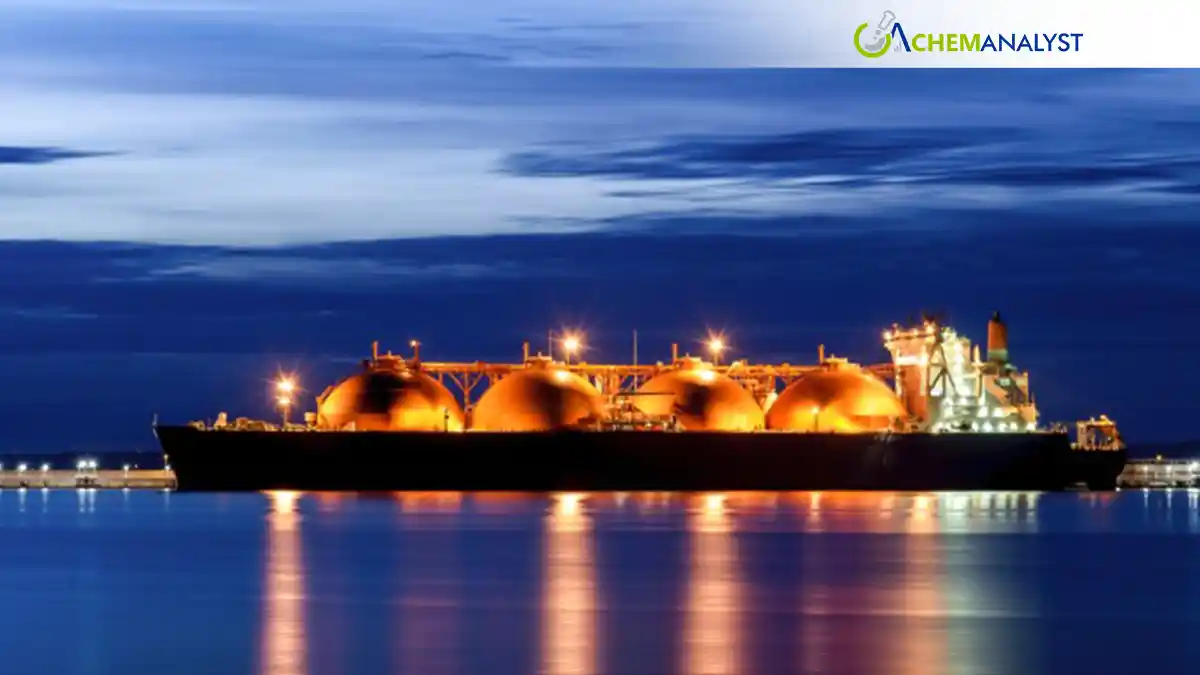
China's liquefied natural gas (LNG) imports experienced a significant rebound in May, reaching 4.9 million tons, a reversal of the months-long decline observed earlier in the year. This resurgence is primarily driven by preparations for the peak summer cooling season, with declining domestic gas inventories and forecasts of a hotter-than-average summer, potentially exacerbated by an El Niño weather phenomenon, compelling buyers to secure additional supplies.
A key factor contributing to this recovery is the surge in domestic gas prices within China, particularly in industrial hubs like Guangdong, which has made purchasing overseas spot LNG more economically viable. This contrasts with the previous period where Chinese buyers had shied away from expensive LNG, relying on cheaper pipeline gas and alternative fuels like coal and renewables. The recent uptick in imports also aims to replace volumes disrupted by geopolitical tensions in the Middle East, specifically the Iran conflict and the near-closure of the Strait of Hormuz, which traditionally accounts for a substantial portion of China's supply. Consequently, China has diversified its supply, increasing imports from countries such as Canada, Malaysia, Oman, and Russia. Furthermore, renewed diplomatic engagement between the US and China has led to the resumption of US LNG cargoes heading to China.
The recovery in China's LNG demand carries significant economic and geopolitical implications. Economically, China's increased appetite is expected to tighten global LNG supply, potentially leading to higher prices as competition intensifies. This is particularly critical as Europe also needs to replenish its inventories ahead of winter, setting the stage for a bidding war between the two regions for available cargoes. Geopolitically, the disruption of Middle Eastern supplies highlights the vulnerability of global energy chains and reinforces the strategic importance of diversified energy sourcing.
Industry-specific impacts include a shift in global LNG trade flows, with more cargoes now heading towards Asia, reversing a trend where Europe absorbed much of the global supply. This renewed demand from China also signals the erosion of a temporary supply cushion that emerged when Chinese buyers were reselling contracted LNG cargoes into regional Asian markets due to subdued domestic demand. This strategic shift by China, moving from an inventory drawdown strategy to active procurement, underscores its crucial role in shaping global energy market dynamics.








 About ChemAnalyst
Leave a Comment
Comments (0)