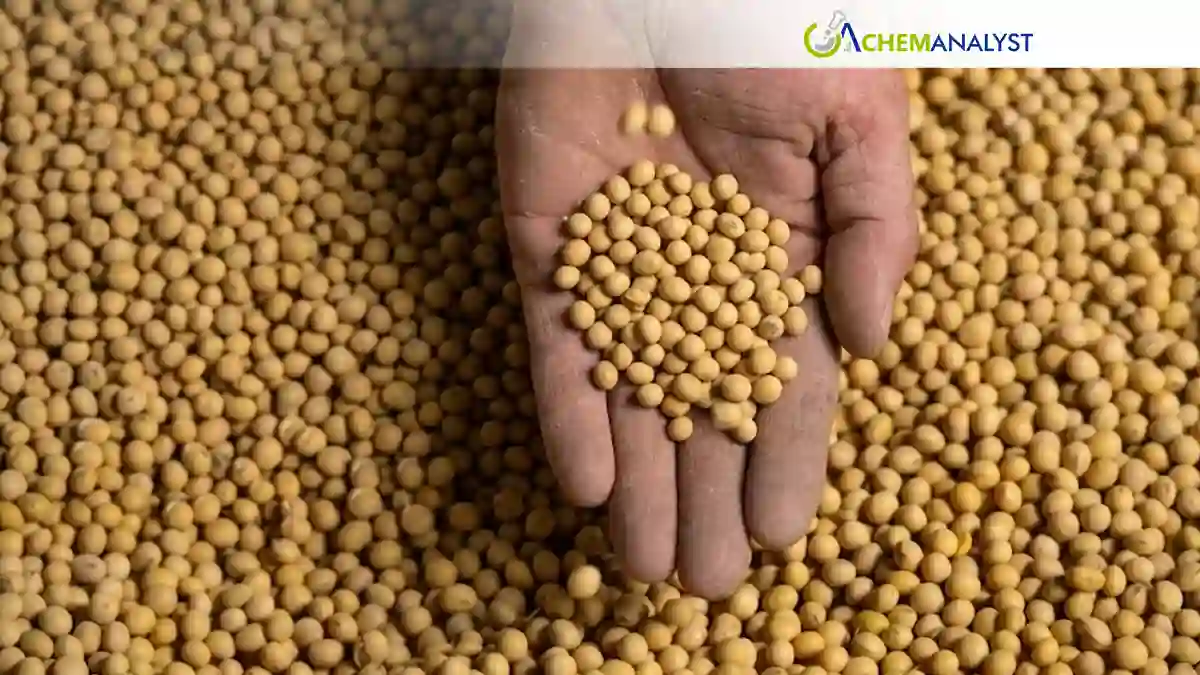
China is significantly increasing its purchases of US soybeans, leading to a notable rally in grain futures and renewed optimism in agricultural trade between the two economic powers. This surge follows a period of reduced buying and a "purchasing freeze" that occurred in 2025 during tariff negotiations.
Recent data indicates a substantial uptick in China's soybean imports from the United States. From January through March 2026, US soybean exports to China rose by 57% compared to the previous year. This increase is largely attributed to sales made during the off-season in response to a trade agreement. In November 2025, China bought nearly one million tons of US soybeans, signaling a commitment to a recently agreed trade truce. State-owned agriculture trader Cofco Group reportedly booked approximately 20 cargoes for delivery in December 2025 and January 2026.
The primary driver for China's increased soybean purchases is a renewed sense of optimism surrounding US-China trade relations and ongoing discussions to ease trade barriers. A trade agreement reached in late 2025 ended China's purchasing freeze, with China committing to buy 12 million metric tons of soybeans in 2025 and at least 25 million metric tons annually from 2026 through 2028. These purchases are also seen as a fulfillment of pledges made during trade summits between President Donald Trump and President Xi Jinping. Unpredictable weather conditions in the US have also contributed to market volatility and speculative buying, further influencing prices.
The increased demand has significantly impacted agricultural markets. Grain futures, particularly soybeans, experienced a sharp rally on Monday, July 6, 2026. November soybean futures jumped 44.5 cents to settle at $11.92.25 a bushel, with gains extending to December corn and wheat futures. This has boosted morale among US soybean farmers, and prices have risen slightly compared to 2025. However, the cost of planting crops remains high, and purchases have not yet reached pre-trade war levels, leaving a "daunting" long-term outlook for many farmers. Many farmers experienced substantial losses last year, and current prices are often insufficient for them to break even.
Despite the current positive trend, analysts caution that the sustainability of this rally depends on concrete trade commitments. China's strategy of government stockpiling to meet purchase commitments raises questions about the long-term viability of this approach. Historically, China has been known to stockpile goods before releasing them, which can lead to market instability. While the US Department of Agriculture (USDA) remains confident that China will meet its obligations, the US is actively diversifying its agricultural markets and exploring new international partnerships to reduce its reliance on China.
Impact on Soybean and ChemAnalyst Price Outlook
China’s sharp increase in US soybean purchases is expected to provide bullish support to global soybean prices in the near term. Strong import demand, coupled with commitments under the renewed US-China trade agreement, has already pushed soybean futures higher and improved market sentiment. For soybean prices tracked by ChemAnalyst, this development is likely to result in moderate price gains, particularly if China continues to execute its long-term purchase commitments and adverse US weather affects crop yields. Higher soybean prices may also increase the cost of downstream products such as soybean oil, soybean meal, animal feed, and biofuel feedstocks, creating upward pricing pressure across related agricultural value chains. However, the extent of price appreciation will depend on the pace of Chinese buying, US harvest conditions, and global supply availability, especially from Brazil and Argentina. If China shifts toward stockpiling rather than immediate consumption, price volatility could increase, although the overall near-term market outlook remains positive.







 About ChemAnalyst
Leave a Comment
Comments (0)