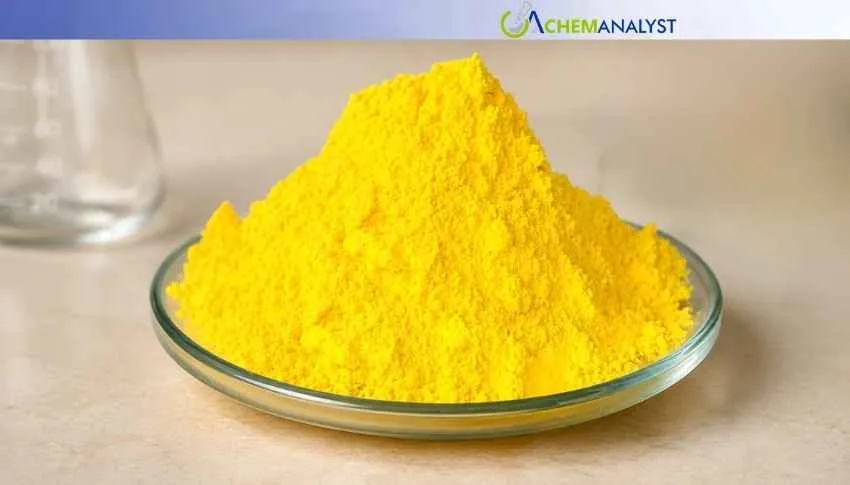
Yellow Phosphorous prices in China continued to weaken during the first half of May 2026 as subdued downstream demand and comfortable inventory levels outweighed support from firmer upstream production costs. Market participants reported that Yellow Phosphorous suppliers across Sichuan and Yunnan maintained stable furnace operations following improved seasonal hydropower availability, which reduced electricity-related operating pressure and supported consistent production rates. Better hydropower generation and normalized inland logistics conditions also improved transportation efficiency for Yellow Phosphorous cargoes moving toward eastern Chinese ports and downstream processing centres.
Demand conditions for Yellow Phosphorous remained cautious throughout the assessment period. Buyers from glyphosate manufacturing, electronic-grade phosphate production, and lithium iron phosphate battery-material sectors reduced spot procurement after significant inventory building during the first quarter of 2026. Several downstream buyers reportedly maintained sufficient forward coverage for May requirements, limiting fresh Yellow Phosphorous spot transactions and increasing competitive pressure among suppliers. Export demand for Yellow Phosphorous from India, Vietnam, and other Southeast Asian markets also remained moderate, reducing buying support for Ex-Qingdao cargoes during the first half of May.
Upstream cost conditions for Yellow Phosphorous remained mixed. Improved hydropower supply helped moderate electricity expenses for inland producers, but higher petroleum coke and industrial silica sand prices continued to squeeze furnace economics. Rising crude oil volatility and firmer energy benchmarks across Asia also kept production costs elevated for Yellow Phosphorous manufacturers despite weaker downstream buying sentiment. As a result, several suppliers resisted aggressive discounting even as inventories gradually increased at coastal storage facilities.
The broader phosphate and battery-material sectors also influenced Yellow Phosphorous sentiment during the first half of May. Demand growth from lithium iron phosphate battery chains slowed compared with the strong pace observed earlier in the year, while agrochemical-sector procurement for glyphosate remained moderate amid cautious export conditions. Electronic-grade phosphate buyers similarly limited spot activity, contributing to softer trading momentum across the domestic Yellow Phosphorous market. Market participants additionally noted that no major new Yellow Phosphorous production capacity was commissioned during the period, keeping overall the operating rates relatively balanced in the region.
Looking ahead, the near-term outlook for Yellow Phosphorous remains mixed but comparatively stable. Seasonal demand recovery from fertilizer intermediates and battery-material sectors could support modest procurement improvement toward late Q2 2026, particularly if export demand from Southeast Asia strengthens. However, comfortable inventories, stable furnace operations, and cautious downstream purchasing patterns are likely to limit any sharp rebound in Yellow Phosphorous prices over the coming weeks.







 About ChemAnalyst
Leave a Comment
Comments (0)