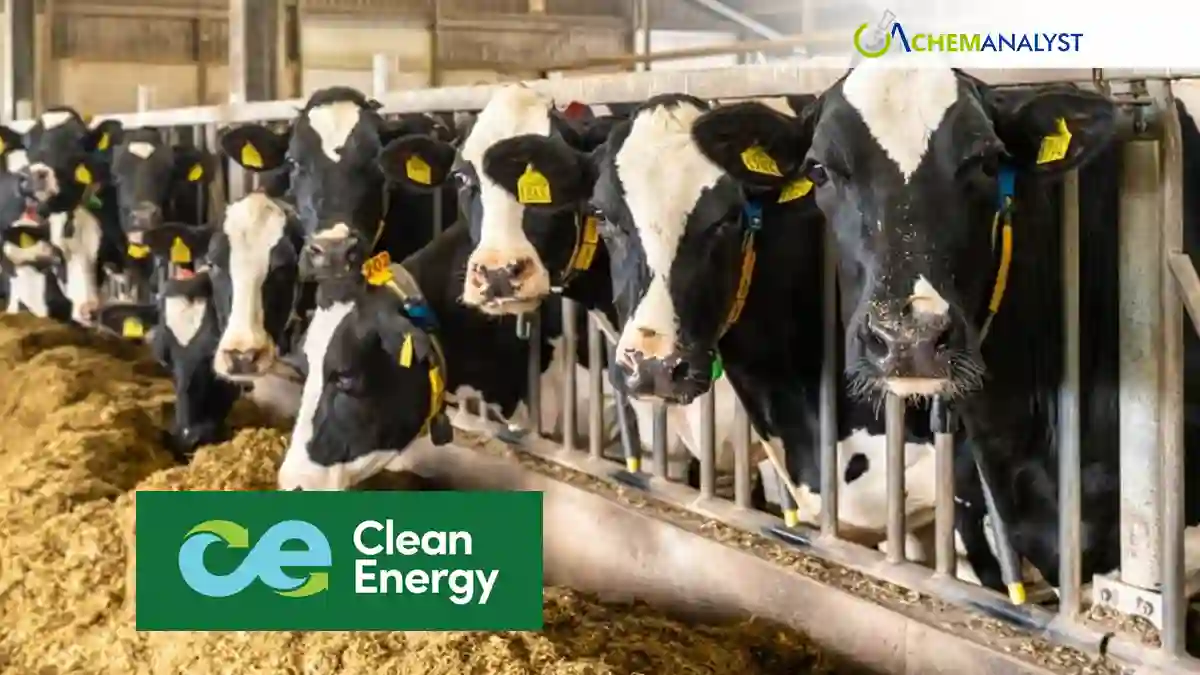
Clean Energy Fuels Corp. (CLNE), a California-based renewable energy company, has officially commenced renewable natural gas (RNG) production at the East Valley Cattle dairy farm located in Jerome, Idaho. The launch marks another significant milestone in the company’s efforts to expand sustainable fuel infrastructure across the United States and represents its eighth operational dairy-based RNG facility.
The East Valley project is one of the most ambitious dairy RNG developments in North America, both in terms of scale and production capacity. The facility has been designed to process waste generated by more than 35,000 dairy cows and is capable of handling over five million gallons of manure every day. To manage this enormous volume of organic waste, the site is equipped with six advanced anaerobic digesters, a large-scale wastewater treatment system, and manure separation technology. Together, these systems convert agricultural waste into valuable renewable energy while significantly reducing environmental emissions associated with traditional manure management practices.
According to Clean Energy Fuels, the East Valley RNG facility ranks among the largest single-site dairy farms integrated with renewable natural gas production infrastructure in North America. Through anaerobic digestion, organic waste is broken down by microorganisms in an oxygen-free environment, producing biogas rich in methane. This biogas is then upgraded into pipeline-quality renewable natural gas that can be used as a low-carbon transportation fuel.
A notable feature of the project is its direct connection to the interstate natural gas pipeline network. The RNG produced at the facility is injected directly into the pipeline system, enabling distribution to regional transportation markets. This renewable fuel can be used by trucking fleets, public transit operators, and other transportation sectors seeking to reduce greenhouse gas emissions and transition away from conventional fossil fuels.
Beyond energy generation, the project also supports sustainable agricultural practices through a circular economy model. The nutrient-rich byproducts remaining after the anaerobic digestion process are repurposed as fertilizer for the dairy farm. This approach reduces waste, lowers reliance on synthetic fertilizers, and creates additional value for farm operations while enhancing environmental sustainability.
The project received an important regulatory milestone in the first quarter of 2026 when it was approved by the U.S. Environmental Protection Agency (EPA) under the Renewable Fuel Standard (RFS) program. This approval enables the facility to generate renewable fuel credits and participate in federal clean fuel incentive programs, enhancing the project's economic viability.
Financial and strategic support for the facility comes from CE bp Renew Co., a joint venture between Clean Energy Fuels and BP Products North America, a subsidiary of global energy company BP. The collaboration highlights growing investment from major energy companies in renewable fuel technologies and agricultural decarbonization initiatives.
The launch of the East Valley facility also reflects the rapid growth of the U.S. biogas sector. Data from the U.S. EPA shows that there were 221 anaerobic digestion systems processing dairy manure across the country in April 2021. By June 2025, the American Biogas Council reported that this number had increased to 471 systems, demonstrating strong industry expansion driven by demand for low-carbon fuels and supportive policy frameworks.
The EPA notes that more than two-thirds of the nation’s dairy cows are concentrated in eight key states: Idaho, California, Wisconsin, New York, Pennsylvania, Texas, Minnesota, and Michigan. This concentration creates significant opportunities for further RNG development as dairy producers seek sustainable waste management solutions and additional revenue streams.
Known internationally as biomethane, renewable natural gas is increasingly being recognized as a practical and scalable solution for reducing emissions in hard-to-electrify transportation sectors while supporting rural economies and agricultural sustainability. The East Valley project represents another step forward in advancing the role of dairy-based renewable fuels in North America's clean energy transition.
Market Impact: The project is expected to increase RNG supply in the western U.S., supporting cleaner transportation fuels and potentially benefiting biomethane, compressed natural gas (CNG), renewable diesel logistics, organic fertilizers, and carbon credit markets. Growing RNG production may also strengthen demand for anaerobic digestion equipment, waste management technologies, and low-carbon fuel infrastructure while helping farms reduce operating costs through nutrient recycling.


 About ChemAnalyst
Leave a Comment
Comments (0)