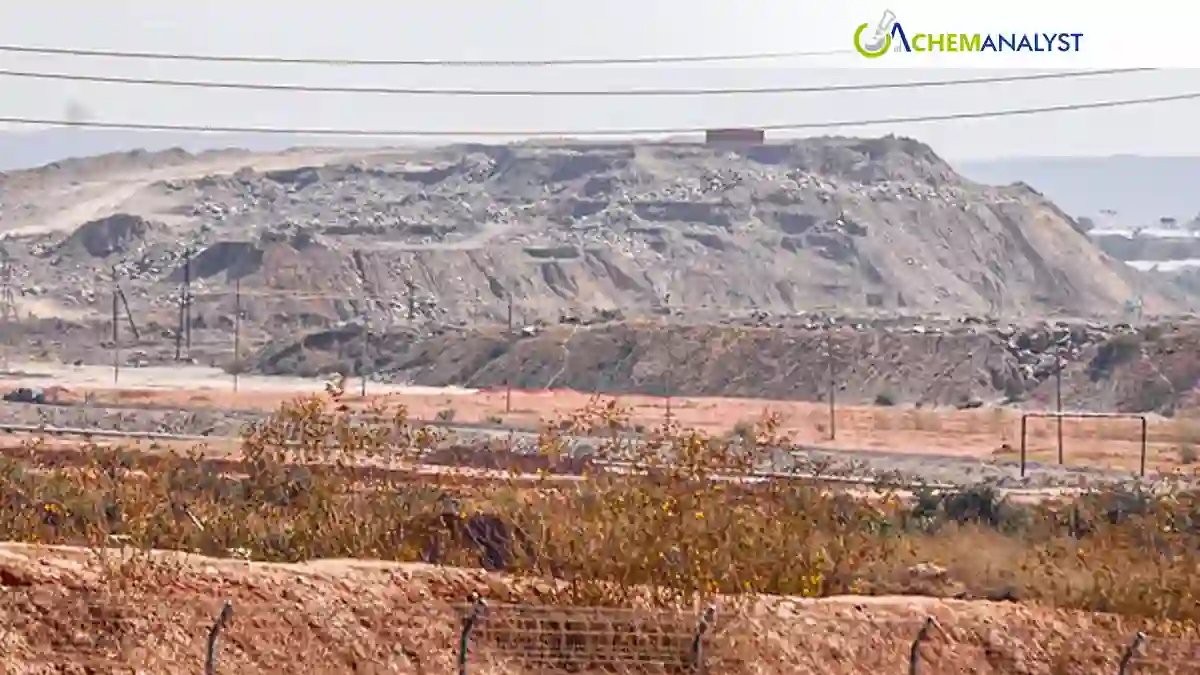
The Democratic Republic of Congo (DRC) has recently implemented stringent controls over its cobalt exports, signaling a strategic shift to exert greater influence over the global supply chain of this critical battery mineral. This move, discussed in the Reuters commentary by Andy Home, comes after a period of market volatility and aims to boost state revenues and oversight.
The key events began with an eight-month export ban on cobalt, initiated in February 2025, in response to an oversupplied global market and a significant drop in prices. This ban was subsequently lifted in October 2025 and replaced with a strict quota system. Under this new framework, the Strategic Mineral Substances Market Regulation and Control Authority (ARECOMS) introduced rigorous conditions for exporters, including mandatory pre-payment of a 10% royalty within 48 hours and the securing of compliance certificates. Furthermore, quotas are allocated based on past export volumes, and non-compliance risks severe penalties, including license revocation and forfeiture of unused allocations.
The primary causes behind these controls are multifaceted. The DRC, which produces over 70% of the world's cobalt, sought to regulate the international market amidst a production glut and rising fiscal pressures. By restricting exports, the government aimed to reverse the downward trend in cobalt prices and gain more control over its vast mining output.
The consequences of these actions have been significant, particularly for global cobalt supply chains. The export ban and subsequent quota system led to a near standstill of shipments to China, the largest processor of Congolese cobalt, causing local prices to surge. This exposed China's vulnerability in critical mineral supply chains, as it lacks significant domestic mining capacity and is highly dependent on raw material imports from the DRC. The prolonged supply hiatus has also impacted the cobalt processing chain, with Chinese imports falling sharply.
From an economic perspective, the controls have led to a substantial increase in cobalt prices. Spot cobalt metal and cobalt hydroxide prices surged significantly following the ban and the introduction of quotas. This price appreciation directly benefits the DRC by potentially increasing state revenues through higher royalties and greater control over the mineral's value. However, the strict "use-it-or-lose-it" framework for quotas could also introduce volatility into global electric vehicle supply chains if major producers struggle to meet the new requirements.
Geopolitically and industrially, these cobalt controls are seen as a strategic pivot. While the article title suggests a "pivoting westward," the available information strongly indicates that the DRC is actively seeking to loosen China's dominant grip on its mineral riches. By asserting greater control over its cobalt, the DRC is creating an environment where competition for its critical minerals could intensify, potentially opening avenues for increased engagement with Western partners and diversifying its economic and political alliances beyond its traditional ties with China in the mining sector. This rebalancing of influence could reshape future investment and trade relationships in the critical minerals sector.
Market Impact: The Democratic Republic of Congo’s (DRC) decision to impose strict cobalt export controls is expected to have a significant impact on the global cobalt market and downstream battery supply chains. As the DRC accounts for more than 70% of global cobalt production, export restrictions and quota allocations are likely to keep cobalt availability constrained, supporting elevated prices in international markets. Cobalt hydroxide and refined cobalt metal producers, particularly in China, may face feedstock shortages and higher procurement costs, reducing processing margins and increasing supply chain uncertainty.
For the electric vehicle (EV) and energy storage sectors, higher cobalt prices could increase battery manufacturing costs, especially for chemistries that rely heavily on cobalt-containing cathodes. Battery producers may accelerate efforts to diversify sourcing, increase recycling, or shift toward lower-cobalt battery technologies.
From the perspective of chemical commodities tracked by ChemAnalyst, cobalt sulfate is expected to experience the strongest upward price pressure due to tighter raw material availability. Lithium-ion battery precursor materials such as NCM (Nickel-Cobalt-Manganese) cathode chemicals may also witness cost inflation. Nickel sulfate and manganese sulfate markets could see moderate support as manufacturers adjust battery formulations. Overall, the DRC’s policy is expected to maintain a bullish outlook for cobalt-related chemicals, increase market volatility, and strengthen pricing across the battery materials value chain in the near to medium term.







Leave a Comment
Comments (0)