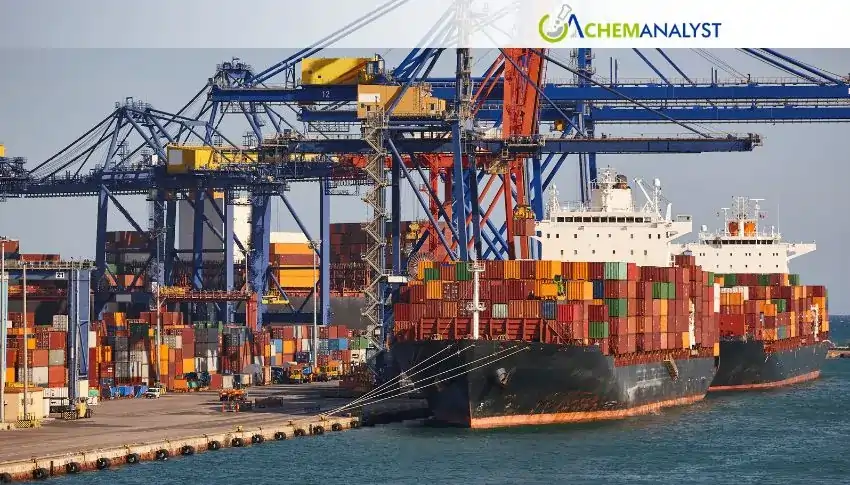
Global shipping markets remained under significant pressure at the beginning of June 2026 as continued disruption in the Gulf region matched with an earlier than expected peak- season demand surge. The combination of heightened geopolitical risks, tighter vessel capacity and fresh carrier surcharges pushed freight charges higher across major east- west trade routes, leaving shippers with restricted relief from the market volatility experienced in current weeks.
Spot rates spike as peak season demand arrives ahead of schedule
On June 2, container spot rates shot up as General Rate Increases and peak season surcharges took effect. Strong cargo booking from Asia, combined with tighter vessel space availability, contributed to significant rate increases on Asia-Europe and Transpacific routes. As per market source, Asia–Europe lanes saw daily rates rise by $1,000 to $1,800 per FEU compared to the previous week. For Asia to North Europe, rates topped pre-crisis highs from June–July 2025. While Transpacific rates were about $1,000 per FEU lower than last year’s spike, they're catching up. Shippers are getting hit with reduced container allocations and unexpected premium fees, pointing to tighter capacity before the July peak.
Shipping Industry Calls for Lasting Security Before Route Normalization
At Posidonia in Athens on June 2nd, shipping executives stated that normal transit through the Strait of Hormuz will not resume until strong security guarantees are in place. Industry leaders, including George Procopiou of Dynacom Tankers Management along with BIMCO and the International Chamber of Shipping, warned that risks such as naval mines could persist even after a ceasefire, making the security the top priority before route normalizations.
Maersk keeps Hormuz transits suspended; "Project Freedom" quietly shelved
Maersk confirmed on June 3 that it's keeping its full suspension of transits through the Strait of Hormuz. Their advisory mentioned the US-led "Project Freedom" naval escort plan, which was scrapped after only 36 hours. Now, the US Central Command does things more low-key. Vessels turn off their transponders and follow the Omani coast with covert US military help. Since Maersk hasn't lifted the suspension yet, it shows that operators aren't confident enough to sail without protection.
EU moves to curb subsidised Asian imports; e-commerce fee takes effect July Trade
The European Union confirmed a flat €3 fee on low-value imports, starting in July 2026, followed by a €2 handling fee in November. This is in reaction to the surge in Asian e-commerce sales to Europe. However, parcel carriers have warned that the necessary reporting systems aren't quite ready, potentially causing border delays starting next month. Adding these fees creates more complications for Asia-Europe freight logistics. With current route disruptions and pricing fluctuations already stressing shippers, this new measure isn't coming at a convenient time.
Outlook: Freight Market Expected to Remain Firm Through June
Looking ahead, freight markets are anticipated to remain supported by a combination of geopolitical uncertainty, robust seasonal demand and continued carrier capacity management. Additional pricing actions by shipping lines, including further GRI’s and surcharges are expected to keep rates high across key Asia- Europe and Transpacific corridors. As a result, many shippers are likely to secure booking earlier, diversify logistics strategies where possible, and maintain higher inventory levels to reduce exposure to potential supply chain disruptions during the peak shipping season.








 About ChemAnalyst
Leave a Comment
Comments (0)