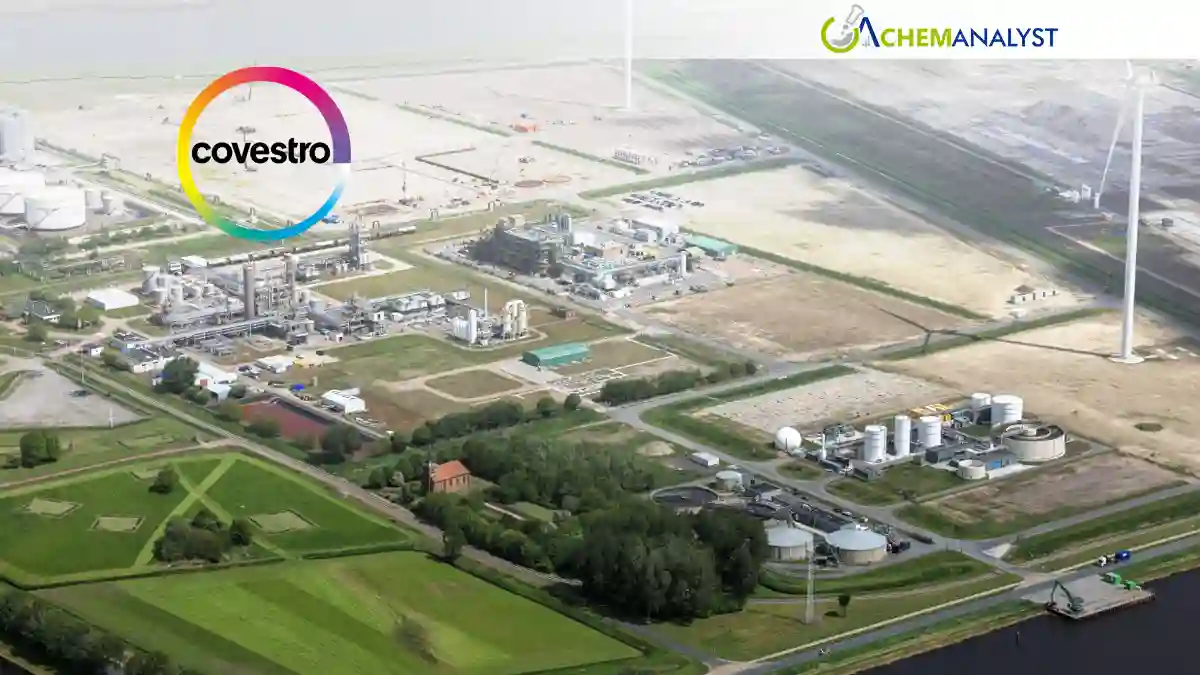
Dutch circular chemistry technology company BioBTX is moving toward commercial-scale production of sustainable aromatic chemicals by developing what it describes as the world’s first commercial plant designed to convert mixed plastic waste into high-quality aromatic products. The facility will be located at Chemical Park Delfzijl on the northern coast of the Netherlands and is expected to create approximately 35 new jobs.
BioBTX will use its proprietary Integrated Catalytic Cracking Process (ICCP), a technology developed through 14 years of laboratory, pilot and development work. The process uses catalytic pyrolysis to transform mixed plastic waste that would otherwise be sent to landfills or incinerated into an aromatic oil containing benzene, toluene and xylenes, commonly known as BTX.
These aromatic chemicals are important feedstocks for a wide range of industries, including coatings, pharmaceuticals and performance materials. The products can also support isocyanate manufacturing, including methylene diphenyl diisocyanate (MDI) and toluene diisocyanate (TDI). Covestro uses these materials to manufacture polyurethane-based products such as flexible foam for mattresses and rigid insulation foam used in refrigerators.
Covestro has supported BioBTX as both a shareholder and strategic partner since 2024, with a mid-single-digit million-euro investment. Covestro Chief Technology Officer Dr. Thorsten Dreier said the commercial-scale development represents an important step in demonstrating the technology at industrial scale. He also highlighted the importance of processing mixed plastic waste rather than relying only on highly sorted waste streams.
The Delfzijl plant is expected to process around 20,000 tonnes of waste annually. From this feedstock, BioBTX anticipates producing approximately 10,000 tonnes of renewable aromatic oil and about 8,000 tonnes of sustainable by-products each year.
BioBTX estimates that its technology could reduce greenhouse gas emissions associated with the resulting chemical building blocks by approximately 70% to 80% compared with conventional fossil-based BTX production.
The project represents a major milestone for BioBTX after a 14-year development journey that began in 2012. The company believes its ICCP technology is also flexible enough to process alternative feedstocks in the future, including biomass.
The commercial plant could therefore serve as a foundation for expanding circular production of aromatic chemicals while reducing dependence on fossil-based feedstocks. For Covestro, access to recycled aromatic raw materials could also support its broader efforts to increase the use of alternative carbon sources in chemical manufacturing.
Impact on the Product and Chemical Commodity Prices
BioBTX’s commercial plant could strengthen the supply of recycled and lower-carbon BTX, particularly benzene, toluene and xylenes, while creating new feedstock options for coatings, pharmaceuticals and polyurethane production. Initially, its 10,000-tonne annual aromatic-oil output is modest compared with global BTX markets, so the immediate impact on commodity prices should be limited. However, successful scale-up could gradually increase sustainable BTX availability and reduce reliance on fossil-based feedstocks. This may place mild downward pressure on conventional fossil-derived benzene, toluene and xylenes prices over the longer term, although strong demand, crude-oil movements and refinery economics will remain the dominant price drivers.







 About ChemAnalyst
Leave a Comment
Comments (0)