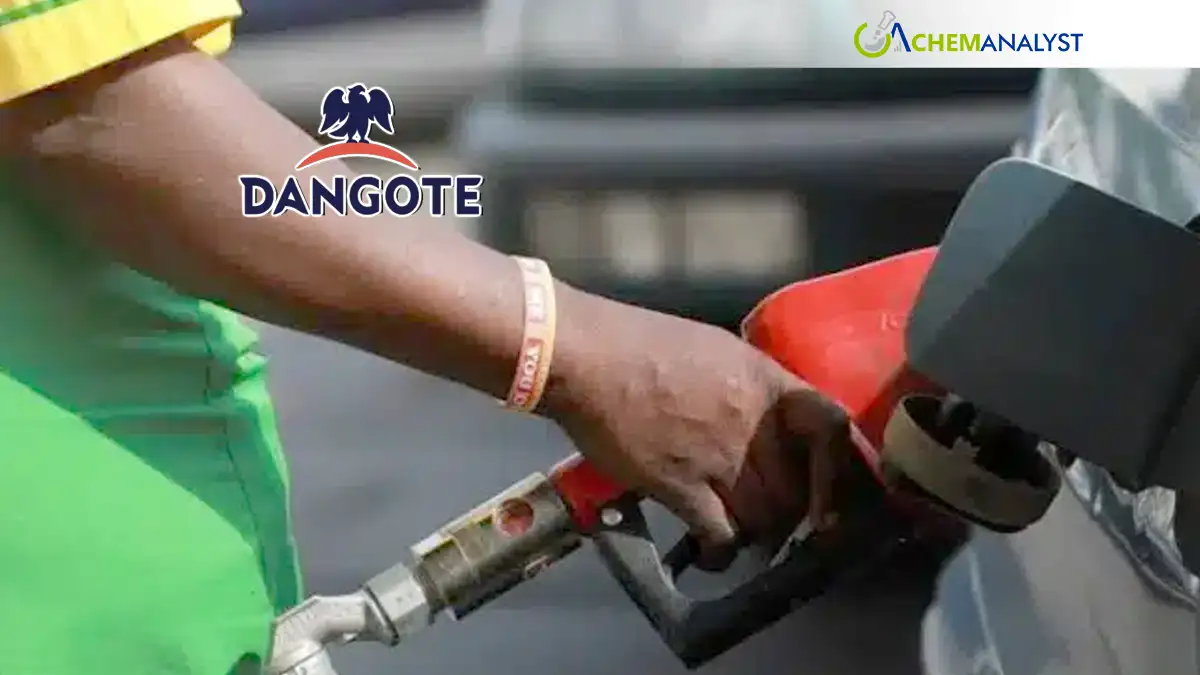
Petrol prices in Nigeria are projected to fall to approximately ?1,200 per litre, driven primarily by a significant price reduction from the Dangote Petroleum Refinery and a de-escalation of geopolitical tensions in the Middle East. The Dangote Refinery has cut its ex-depot petrol gantry price by ?75, moving from ?1,250 to ?1,175 per litre, with other depot owners subsequently lowering their prices to around ?1,180. This adjustment took effect from midnight on June 16, 2026, with all outstanding unloaded volumes to be repriced at the new rate.
The primary catalyst for this anticipated price drop is a peace deal signed between the United States and Iran. This agreement has led to a significant easing of tensions in the Middle East, which had previously caused global crude oil prices to surge. The conflict, which began on February 28, saw Brent crude, the global benchmark, climb above 100 and at times exceeding 120 per barrel. However, following the peace deal, Brent crude has fallen sharply from 87 to 78 per barrel. It had already declined by about 10 from its May 30 price of 92 per barrel by mid-June. Another crucial development is the planned reopening of the Strait of Hormuz, a vital global oil supply route, which is expected to restore stability to the market.
The economic and industry-specific impacts are substantial. For Nigerian consumers, this signals a potential relief at the fuel pumps, with some analysts even speculating that prices could drop below ?1,000 per litre if crude prices continue their decline and the peace deal remains stable. The Dangote Refinery's move is a leading factor in the domestic market, compelling other marketers to adjust their pricing strategies. Historically, petrol prices in Nigeria had risen sharply during the conflict, from approximately ?830 to around ?1,300 per litre.
Despite the positive outlook, some concerns have been voiced. The spokesman for the Petroleum Products Retail Outlet Owners Association of Nigeria (PETROAN), Joseph Obele, highlighted that imported petroleum products currently appear cheaper than locally refined fuel, advocating for more import licences from the Nigerian Midstream and Downstream Petroleum Regulatory Authority (NMDPRA). Furthermore, some Nigerians on social media feel that the ?75 reduction does not fully reflect the recent substantial decline in global crude oil prices. There are also lingering concerns that Nigerian oil marketers might be hesitant to reduce pump prices adequately, even when global conditions warrant it, suggesting a potential need for government intervention to ensure consumer benefits.
Geopolitically, the International Monetary Fund (IMF) welcomed the reopening of the Strait of Hormuz, noting that the global economy had avoided a slowdown despite the three-month conflict. However, the IMF cautioned that risks to growth would remain high if disruptions to energy supplies were to resume.






Leave a Comment
Comments (0)