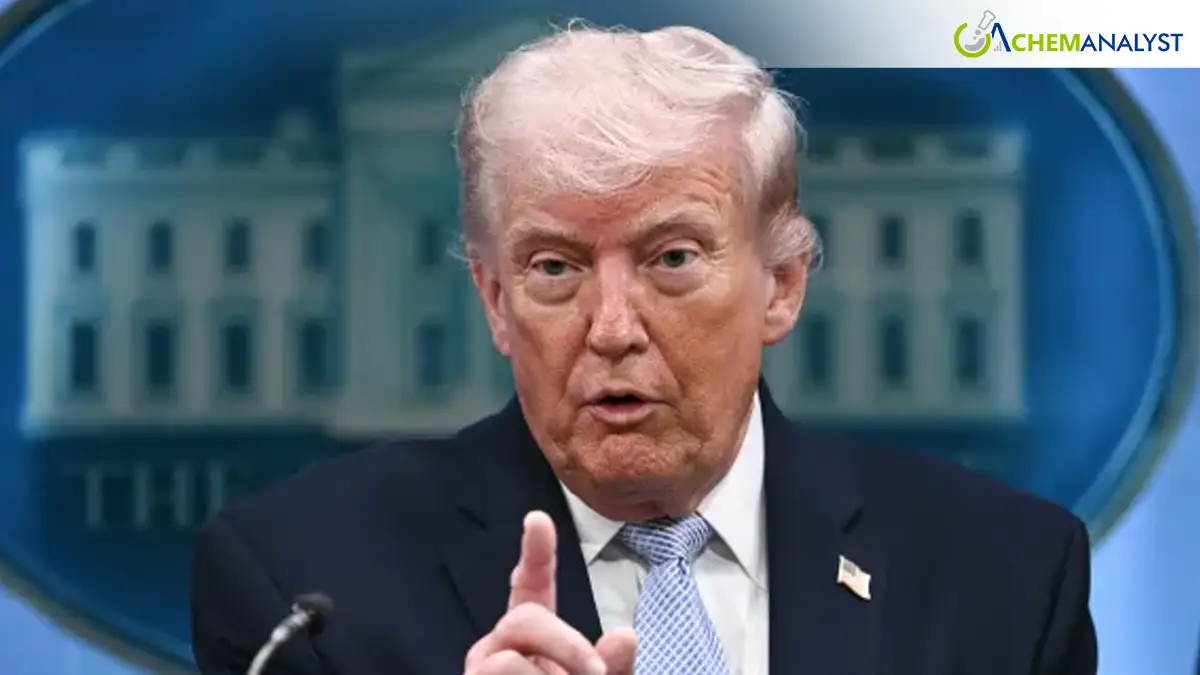
The United States, under President Donald Trump, has announced a temporary halt to its military strikes, while Iran has agreed to a two-week ceasefire, signaling a short-term de-escalation in tensions. The agreement comes with a key condition: Tehran must ensure the full reopening of the strategically vital Strait of Hormuz, a major global shipping route. Iranian officials confirmed their acceptance of the ceasefire and indicated that formal negotiations are scheduled to commence on Friday in Islamabad, Pakistan.
Iran’s foreign minister stated that safe navigation through the Strait of Hormuz would be guaranteed for the duration of the ceasefire. This arrangement will involve close coordination with Iran’s armed forces to ensure that commercial and energy shipments can pass through the waterway without disruption. The Strait of Hormuz is one of the world’s most critical maritime chokepoints, and its accessibility is essential for global oil supply chains, making this development particularly significant for international markets.
The decision by President Trump to suspend military operations followed diplomatic outreach from Pakistan’s Prime Minister Shehbaz Sharif. Sharif reportedly urged both Washington and Tehran to take steps toward reducing hostilities, including requesting an extension of the US deadline for reaching a deal and encouraging Iran to reopen the Strait fully. His intervention appears to have played a role in facilitating the temporary pause and bringing both sides to the negotiating table.
Meanwhile, Israel has expressed its support for the US-led initiative. The office of Prime Minister Benjamin Netanyahu confirmed that Israel backs the proposed two-week pause in attacks on Iran. However, it clarified that the ceasefire arrangement is limited in scope and does not extend to Lebanon, indicating that regional tensions may persist beyond the immediate agreement between the US and Iran.
The development has also drawn international reactions. Ukraine welcomed the ceasefire and the reopening of the Strait of Hormuz, viewing it as a positive example of decisive diplomatic action. Ukrainian Foreign Minister Andrii Sybiha, in a statement shared on social media platform X, praised the effectiveness of US intervention in achieving a temporary halt in hostilities. He further called on Washington to demonstrate similar resolve in addressing the ongoing conflict between Russia and Ukraine.
Sybiha emphasized that strong and timely decisions by global powers can help bring about meaningful change in conflict situations. He urged the United States to apply comparable pressure on Moscow to secure a ceasefire and ultimately end the war in Ukraine. His remarks highlight how developments in one geopolitical conflict can influence expectations and diplomatic efforts in others.
Overall, the two-week ceasefire between the US and Iran represents a cautious but important step toward reducing immediate tensions in the region. While it opens the door for dialogue and ensures temporary stability in a critical global trade route, the limited duration and scope of the agreement suggest that sustained diplomatic engagement will be necessary to achieve a long-term resolution.







 About ChemAnalyst
Leave a Comment
Comments (0)